
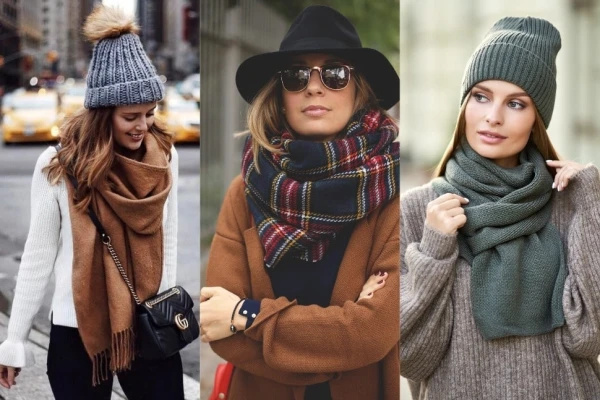
A winter wardrobe is not complete without a hat and scarf—a duo that sets the overall tone of the look. The right combination of these accessories adds not only warmth but also character, completes the silhouette, and shapes the mood for the entire day. Let's figure out together with stylist Yulia Nikiforova how to make this duo truly harmonious.
Balance Between Color and Texture
In the cold season, we see an abundance of textures: fluffy threads, smooth cashmere, luxurious fur, or strict tweed. To make the hat and scarf look like a cohesive whole, the stylist advises following one of the rules:
-
Monochrome palette: a hat and scarf of the same shade or close tones.
-
Complementary palette: contrasting but not screaming pairs.
-
Neutral base with a bright accent: gray, beige, brown palette with a bright scarf or vice versa.
Textures Should "Intertwine," Not Compete
If the outerwear is woolen, choose a scarf of the same texture or slightly smoother to avoid overloading the look. "The contrast of textures also works great: matte knitwear combined with a silky scarf or fur element adds luxury and depth," explains Yulia.
Shape and Fit
Ask yourself the question: "What is more important: a knitted beanie, a tweed cap, a beret, or a sports hat?" Choose the shape according to the proportions of the face and the silhouette of the outer layer of clothing (jacket, fur coat, coat, etc.). "A voluminous hat visually elongates the silhouette, so it usually pairs well with long scarves. Thin and flexible scarf models—when added to these coat options—will add sophistication," says the expert.
Contrasting Accents
Choose a scarf made of a fabric with a texture different from the hat (for example, pure wool—a cashmere or velour hat). This works as a smart accent without overload.
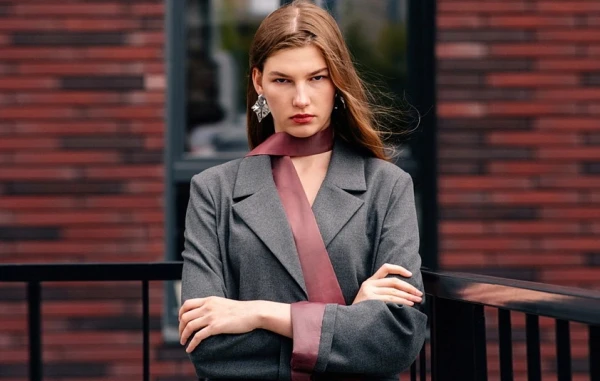
Of course, we remember that having beautiful accessories means presenting them effectively, or in other words, knowing how to wear them. You can find ideas for tying scarves online; there are many videos and photos with detailed instructions on various resources. "I also want to note that there is a relevance in any type of clothing. It is currently out of fashion to wear and looks outdated: hats with bulky pom-poms and brightly decorative detailing (with long fringes, overly childish elements). Very massive blanket scarves that 'close off' the look and make it overloaded. Too thin long scarves worn like ties without structure—look awkward in frosty weather. Scarves with excessive decorative finishing and untidy draping," comments the fashion specialist.
Balance! If the top is minimalist, the scarf can become an accent, but without overload. "Do not overload the look with multiple decorative elements in one detail. Choose a hat and scarf according to the shape of the face and style of clothing," summarizes Yulia.
Colors and materials: preference for natural fabrics (wool, cashmere, alpaca), palette—neutral with one bright detail in the outfit.
A hat and scarf are not only about warmth but also an opportunity for drama in your daily style. The right duo always adds structure, emphasizes the silhouette, and at the same time creates coziness. Choose a palette according to your mood, experiment with textures and shapes—and each morning will give you a good mood for the whole day.








Leave a comment