
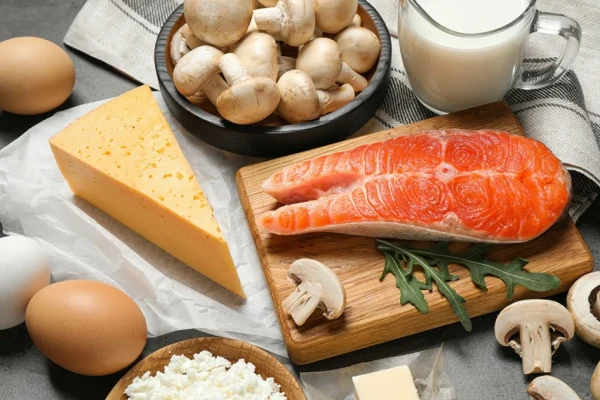
Vitamin D plays a key role in immunity, bone strength, stable mood, and overall well-being. Its deficiency is particularly common in autumn and winter—there is little sunlight, and the body needs support.
What foods and habits can help replenish the "sunshine vitamin" without pharmacy supplements, explains dietitian Kelly Plough.
Fatty Fish
According to dietitian Catherine Brooking, fatty sea fish remains one of the best natural sources of vitamin D, especially in the cold season. The most beneficial types are those caught in the wild: salmon, mackerel, sardines, herring.
Milk
Most types of cow's milk—regardless of fat content—are additionally fortified with vitamin D. Therefore, a regular glass of milk can help maintain normal levels of this element.
Eggs
In addition to a range of beneficial vitamins and minerals, eggs provide the body with vitamin D. One large egg contains about 44 IU, which is approximately 6% of the daily requirement.
Orange Juice
This popular drink is often fortified with vitamin D and calcium while maintaining a high vitamin C content. Such juice can be paired with whole grain toast, avocado, or peanut butter—foods rich in magnesium, which helps the body absorb vitamin D more effectively.
Short Walks in the Sun
To produce vitamin D, the body often needs just 5–30 minutes outdoors several times a week. After that, sunscreen can be applied to protect the skin from damage.
Vitamin D is one of the essential elements that support health and slow down aging changes. It is quite possible to obtain it from accessible foods and simple habits every day.
















Leave a comment