
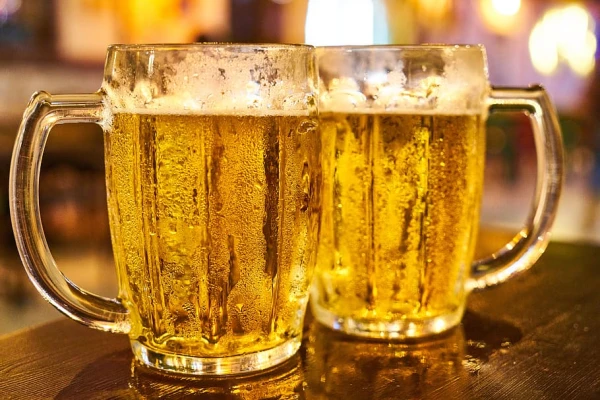
"Light alcohol" seems harmless, but daily beer can significantly impact health. We explore what processes are triggered in the body and what the real consequences of this habit are.
A bottle of cold beer after a workday is a familiar way for many to relax. In Ukraine, beer remains one of the most popular alcoholic beverages, and its low alcohol content creates an illusion of safety. The publication EatingWell examined what happens to the body with regular beer consumption — and the results are far from straightforward.
Improvement of Bone Density
Thanks to silicon and polyphenols, beer may increase bone mineral density and reduce the likelihood of hip fractures. It sounds optimistic, but an important caveat is that the evidence base is still insufficient, and experts doubt that the potential benefits outweigh the risks associated with regular alcohol consumption.
Sleep Disruption
Alcohol is often associated with relaxation, but these sensations turn into a serious blow to sleep quality. Even a small amount of alcohol — about two standard servings — significantly reduces the duration of the REM phase, which is responsible for the body's recovery. As a result, sleep becomes shallow, and the morning state is one of fatigue and exhaustion.
Hindrance to Weight Loss
The liver cannot store alcohol, so it prioritizes its processing. While it is busy neutralizing ethanol, fat burning slows down. For those trying to lose weight, daily beer can become a subtle but noticeable obstacle.
Digestive Problems
Alcohol:
- increases the production of gastric juice,
- irritates the walls of the small and large intestines,
- alters the speed of food passage.
The result is bloating, pain, and diarrhea. With frequent consumption, inflammation of the intestines, microbiome disturbances, and increased intestinal permeability may develop. Despite some fermented compounds in beer potentially benefiting the microbiota, experts agree that the potential harm outweighs the possible benefits.
Risk of Dehydration
Beer is considered "mild" compared to stronger drinks, but alcohol still has a pronounced diuretic effect. Fluid loss remains one of the key factors for feeling unwell the next day.
Long-Term Consequences
Alcohol increases the likelihood of developing:
- hypertension,
- stroke,
- heart failure,
- cardiomyopathy,
- cancers (of the oral cavity, larynx, esophagus, colon, liver, breast).
The more frequently and heavily a person drinks, the higher the risks.
Is There Any Benefit from Beer
In short — no. Individual studies sometimes report positive effects, but they are not definitive. All potential benefits can be obtained from non-alcoholic products — fermented, dairy, and others. Meanwhile, the harm of regular alcohol consumption has been convincingly proven for a long time. If you do not drink alcohol — it is definitely not worth starting.
Beer may seem light and harmless, but even small, regular doses of alcohol affect sleep, digestion, metabolism, liver health, and long-term disease risks. Awareness and moderation remain the only reasonable strategy — after all, alcohol is not necessary for good well-being.
Source: tsn















Leave a comment