
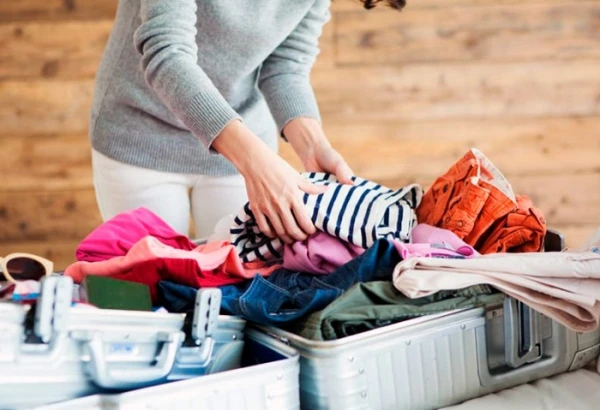
Summer has officially come to an end, no matter how much we might wish otherwise, and packing away lightweight items is not just about "putting them in boxes and forgetting"; it’s about preserving fabrics and, of course, money. Cotton, linen, silk, and elastic materials suffer from dust, sweat residues, and sunscreen: fibers yellow, become brittle, elastics lose their elasticity, and odors and the risk of mold settle in the folds. Proper preparation and packing halt this process: items go on vacation clean and dry, protected from light, moisture, and insects. In spring, they will return without gray residue, mustiness, and creases, rather than as a "recycling capsule."
By the way, there is also an organizational aspect. Seasonal rotation frees up shelves, simplifies morning choices, and reduces visual clutter in the closet. The winter wardrobe does not have to compete with sundresses and shorts, plus it makes planning purchases easier: it is clear what is really needed and what is already in good condition. The result is a tidy closet, long-lasting items, and fewer impulsive expenses.
Start with Hygiene and a "Minor Technical Inspection"
Before packing, it is necessary to wash everything or take it to the dry cleaner, even if it seems that the items are clean. Traces of sweat, creams, and deodorants darken and smell stronger over the winter. Stains should be treated immediately: an enzyme gel and a short cycle are suitable for white cotton, while a gentle detergent with a neutral pH is best for delicate fabrics. Don’t forget to check seams, buttons, hardware, and small pulls — and fix them now so you don’t forget by spring. Dry completely; otherwise, a musty smell will develop.
Sort and Fold by "Families"
Sort by fabric type and volume: thin cotton and silk in one pile, denim and heavy linen in another, knitwear separately. Straw hats and rigid bags should be stored with shape holders or stuffing made of acid-free tissue paper. Swimsuits and elastic items should be folded separately to prevent elastics from coming into contact with rough zippers and hardware. This saves space and reduces the risk of snags.
Choose Breathable Packaging and Know When to Use Vacuum
It is ideal to have sturdy fabric boxes or cotton covers with viewing windows for these tasks, placing acid-free paper inside for layering. Vacuum bags are suitable for bulky but not fragile items: bedding, towels, and unembellished t-shirts. Silk, embroidered linen, straw accessories, and leather parts should not be vacuumed; otherwise, they may easily develop creases and deformation. Fold knitwear in stacks, do not hang on hangers to prevent stretching. Denim can be rolled into "rolls" to reduce the likelihood of creases.
Protection from Moisture, Odors, and Insects
It is recommended to place 1–2 packets of silica gel or absorbent granules at the bottom of the boxes, and on top, cedar discs or sachets with lavender, which repel moths and absorb excess moisture without an aggressive smell. The scent should not come into direct contact with the fabric: sachets should be placed in the corner, not on the item. No mothballs or open aromatic oils — they absorb into the fibers and can stain. Store shoes with insoles using cedar shoe trees or at least dense stuffing, and wipe and dry the soles.
The Right Place and Clear Labels
The ideal storage conditions are shade, coolness, dry air, and stable temperature. Avoid places near radiators, the kitchen, and the balcony; place boxes on the top shelves of the closet or under the bed, using a thin dust cover if necessary. Label each one: "Cotton T-shirts S/M, 12 pcs.", "Light Dresses, 6 pcs.", "Swimsuits and Pareos", "Accessories: Sun Hats, Belts". This saves time in spring and disciplines family members, who may finally be able to find everything without your help.
















Leave a comment