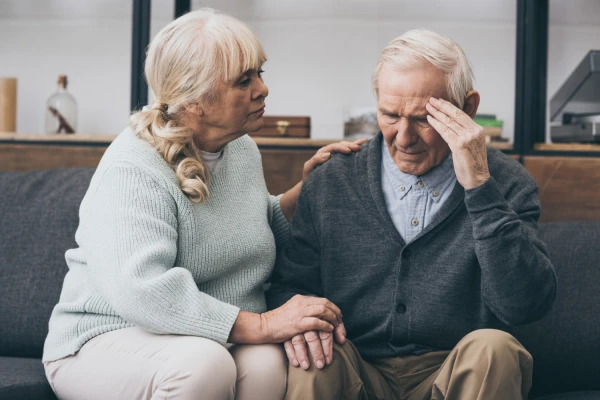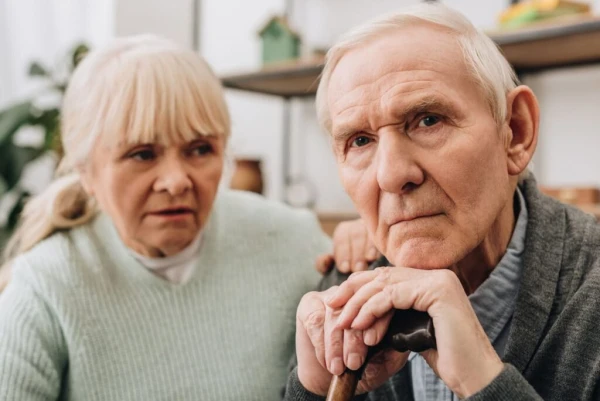
Retirement can be a challenging test for many families. Statistics show that over the past thirty years, the number of divorces among couples over 65 has tripled. What is this related to? And how can one survive retirement without divorce?
"You spend too much time at work," "We never go anywhere, you’re always busy," "We spend so little time together" — such complaints can often be heard among couples. But then retirement comes, and now it’s "just you and me," yet people do not become happier. Even worse — new reasons for quarrels arise, and spouses who have lived together for decades file for divorce. This is reported by doctorpiter.
Why is retirement a challenging period for relationships? Here are 7 main reasons.
Lack of Personal Space
Have you noticed that during holidays, vacations, and long weekends, family conflicts intensify?
"When you spend all day with family, all family problems come to the surface," explains psychologist Ekaterina Murashova. "The intensity of communication changes. It’s one thing to see each other for a couple of hours after work: you might not notice some things, or pay attention to others; it’s another thing to be together all the time."
The same happens after retirement — being with a person, even a beloved one, 24 hours a day is difficult for many. Moreover, people may have different hobbies and social circles that they do not want to involve their spouse in.
"Be prepared for both of you to need personal space, time alone. This is not about abandoning your spouse, but rather that your hobbies will give you more conversations and topics to discuss when you are together again," says family psychotherapist Katie McCoy to Psychology Today.
Different Views on Aging
She has joined a local dance club, practices Nordic walking, and is learning to paint. He stays home all day because he considers himself old, and all these activities are inappropriate for his age. He won’t go hiking, not even for a walk in the nearby park, because he is always dissatisfied and tired.
"First, regularly undergo medical check-ups, regardless of whether you feel old or not," advises Katie McCoy. "Second, this desire for isolation may be related to depression rather than aging, which means a person may need therapy to change the situation."
Feeling of Uselessness
At work, a person feels needed and important. But when retirement comes, many experience a sense of uselessness: "Who am I now?", "Why am I living?" Some may develop depression against the backdrop of such feelings. And when one spouse is happy about retirement while the other suffers from it, conflicts can arise.
It’s good if there is an opportunity to spend time with grandchildren. But if the well-deserved rest still weighs heavily, one can find part-time work or volunteer.
Additionally, the expert advises viewing retirement as an opportunity to realize long-postponed plans that lacked time: learning a new language, mastering a musical instrument, starting a blog, or simply rereading books from a previously compiled list.
Fear of Running Out of Money
You can't really get rich on a pension, especially if you are used to living lavishly. So financial disputes after retirement are quite likely.
"Discuss your priorities — what is more important to you. Perhaps it’s worth giving up some unnecessary things to save for a joint vacation," says Katie McCoy.
Regrets About Moving
Many dream of spending their old age by the sea or in a remote village surrounded by nature. Or, for example, moving closer to adult children, leaving their old familiar life behind. The problem arises when one wants this, and the other reluctantly agrees. Or when you move in with your children, and they have their own lives, leaving little room for you. Then regrets, nostalgia for the past, and accusations arise.
"Discuss how the move will affect your important relationships. Talk to your adult children to understand their feelings about your move," advises the psychotherapist. "If you have already moved and regret it, think together about what options you have. Perhaps it’s time to consider another move or discuss how to settle into your new life."
Different Communication Needs
Let’s say you are an extrovert who loves meeting friends and making new acquaintances, while your spouse is a hermit who feels comfortable in their shell. They are not thrilled about noisy gatherings and are clearly not happy to attend your meetings.
"Give each other space for self-expression while respecting each other’s interests. Communication and compromises will help reduce the number of conflicts," says Katie McCoy.
Sudden Illnesses
It’s easy to be together in health; it’s much harder to stay with someone during illness. Unfortunately, this cannot be avoided. With age, chronic illnesses worsen, and new ones appear. However, people react differently to others' problems. Some are ready to empathize and care for the person, while others, on the contrary, withdraw.
"Those who care for the sick also need to take care of themselves. Set aside time during the day — perhaps early in the morning or in the evening — to do something pleasant or comforting for yourself. Maintain contact with friends and family, and don’t hesitate to ask them for help," advises the psychotherapist. "Perhaps it’s worth reaching out to community organizations that can assist with caring for the sick and also provide psychological support."