Researchers from the University of Würzburg found that cancer cells use vitamin B2 as a protection against self-destruction. This discovery may help create new treatment methods that target tumors more precisely while causing less harm to healthy tissues.
Researchers from the University of Würzburg have found that vitamin B2, or riboflavin, plays an important role not only in metabolism and skin health but also helps cancer cells survive. The results of the study were published in the journal Nature Cell Biology.
The study showed that tumors use vitamin B2 to protect themselves from ferroptosis—a specific mechanism of programmed cell death. Riboflavin helps the protein FSP1 maintain the integrity of cancer cell membranes and prevent their destruction.
The scientists established that the functioning of this protective mechanism is directly related to the RFK gene, which is responsible for processing the vitamin into its active form. When the level of vitamin B2 decreases, tumor cells become significantly more vulnerable.
During laboratory experiments, the researchers also tested a compound called roseoflavin. Cancer cells mistook it for real vitamin B2 and actively absorbed it. However, the substance did not support the protective protein's function, causing the tumors to lose their ability to resist destruction.
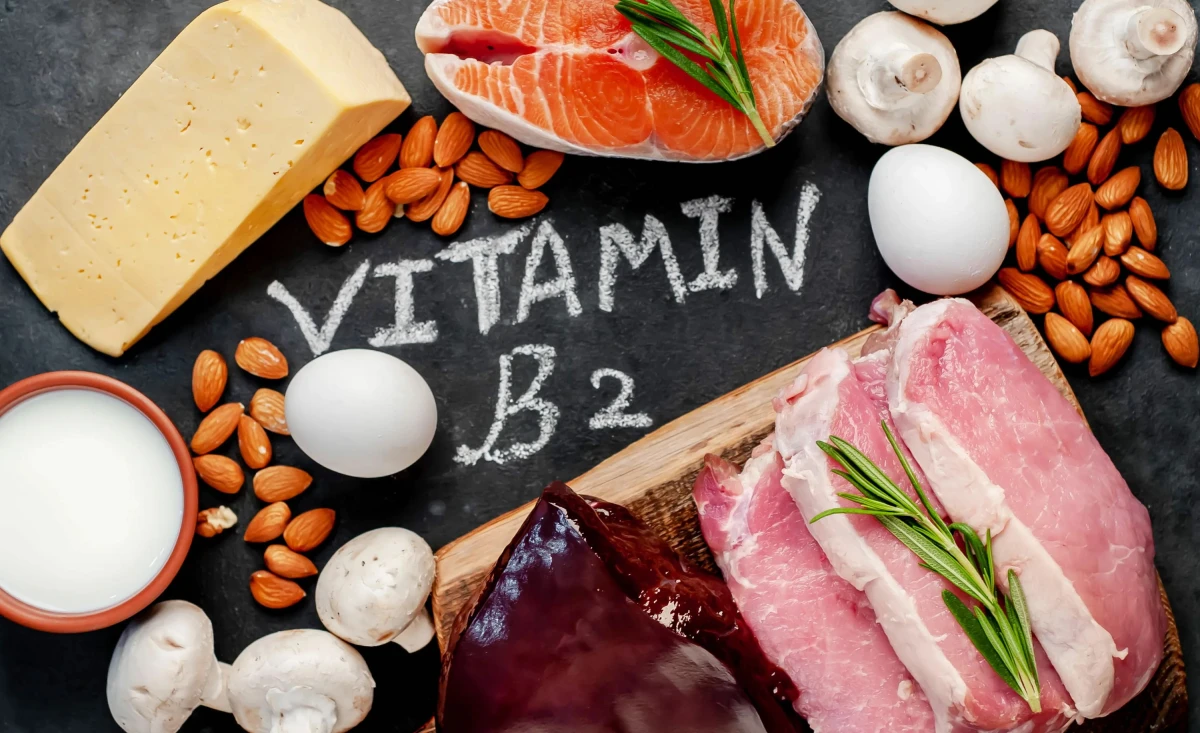
The authors of the study emphasize that this does not mean giving up foods containing vitamin B2. Riboflavin is essential for the body and is found in dairy products, eggs, meat, and green vegetables.
The research has helped scientists better understand the survival mechanisms of tumors and opened a promising avenue for developing new anti-cancer drugs. In the future, targeting the vitamin B2 processing system may become one of the ways to achieve more precise and effective cancer therapy.