
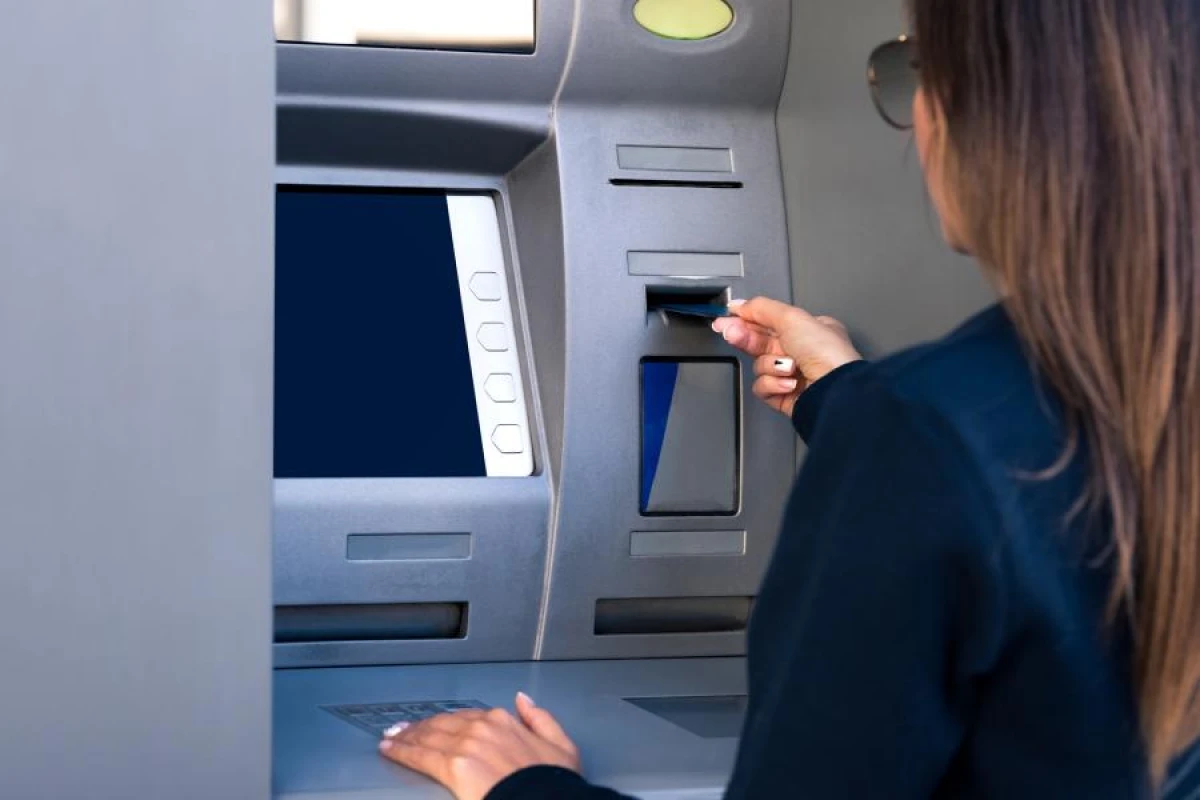
At the end of 2025, there were 12.1 billion euros in the bank accounts of residents of Latvia, and this amount continues to grow. It is clear that many millions are still kept in ‘paper money’. However, experts see this not as signs of the population's well-being, but as losses that people are incurring — the enormous inflation of recent years is literally depleting savings.
“Keeping money in an account or in cash is familiar and understandable, however, over the past ten years, cumulative inflation in Latvia has reached 56%. This means that 100 euros in April 2016 could buy almost twice as much as today. The funds that have simply been sitting in the account all this time have quietly lost more than half of their real value,” explains Oleg Andreev, a representative of a Latvian commercial bank.
Inflation in Latvia by various consumer groups (April 2016 – April 2026):
Dentistry — +123.4% (100 € → 223.40 €) Outpatient medical services — +104.2% (100 € → 204.20 €) Utilities (water supply, etc.) — +80.6% (100 € → 180.60 €) Electricity, gas, and other fuels — +78.2% (100 € → 178.20 €) Operation of personal transport — +75.4% (100 € → 175.40 €) Housing, water supply, energy (overall) — +72.1% (100 € → 172.10 €) Food and beverages — +71.7% (100 € → 171.70 €) Restaurants and cafes — +66.4% (100 € → 166.40 €) Healthcare (overall) — +53.8% (100 € → 153.80 €) Higher education — +52.8% (100 € → 152.80 €) Other education — +50.2% (100 € → 150.20 €) Non-food goods — +45.2% (100 € → 145.20 €) Freight transportation — +170.4% (100 € → 270.40 €) — record growth
How much inflation has consumed over 10 years
When analyzing inflation in Latvia compared to the EU, it is evident that 2022 was critical: due to the energy crisis and the war in Ukraine, inflation reached 17.3% — almost double the EU average (9.2%). In the Baltic countries, the figures were among the highest in the entire European Union, which was explained by dependence on imported energy and a high share of the open economy.
“Essentially, this means that despite the large volume of savings — 12.1 billion euros in accounts — and its annual growth, the purchasing power of these funds is rapidly declining. Therefore, thinking: ‘I will save money for retirement, and then I will just spend it’ is a mistaken strategy. Inflation will eat it up faster, and you won’t even have time to ‘enjoy’ your savings,” explains the expert.
At the same time, among the residents of Latvia, doubts about the reliability of the banking system and distrust of investments still persist — the 90s and the legacy of the USSR in the form of a lack of understanding of financial instruments still remind people of the past. As a result, 83% of residents of Latvia do not invest in financial instruments, except for pension and insurance products. Moreover, 22% of residents do not have a financial ‘safety cushion’ even for three months.





Leave a comment