Sooner or later, humanity will embark on long space flights and begin to colonize other planets. But before that, science must answer one of the main questions: is human reproduction possible beyond Earth, particularly in weightlessness?
Chinese scientists are already seeking these answers. To this end, they have sent artificial human embryos aboard their national station "Tiangong." The mission, launched with the cargo ship "Tianzhou-10," aims to shed light on how the space environment affects the mystery of the origin and development of life.
Not an Embryo, but Its Copy
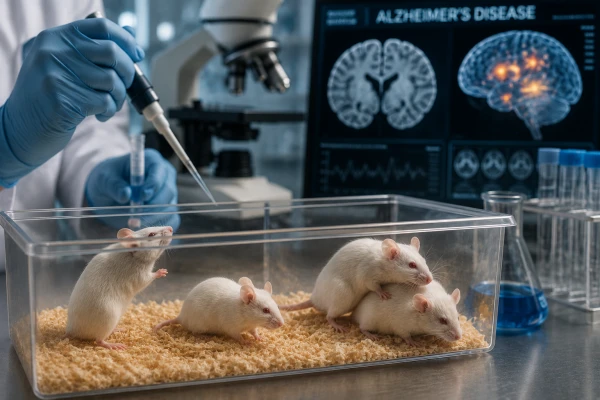
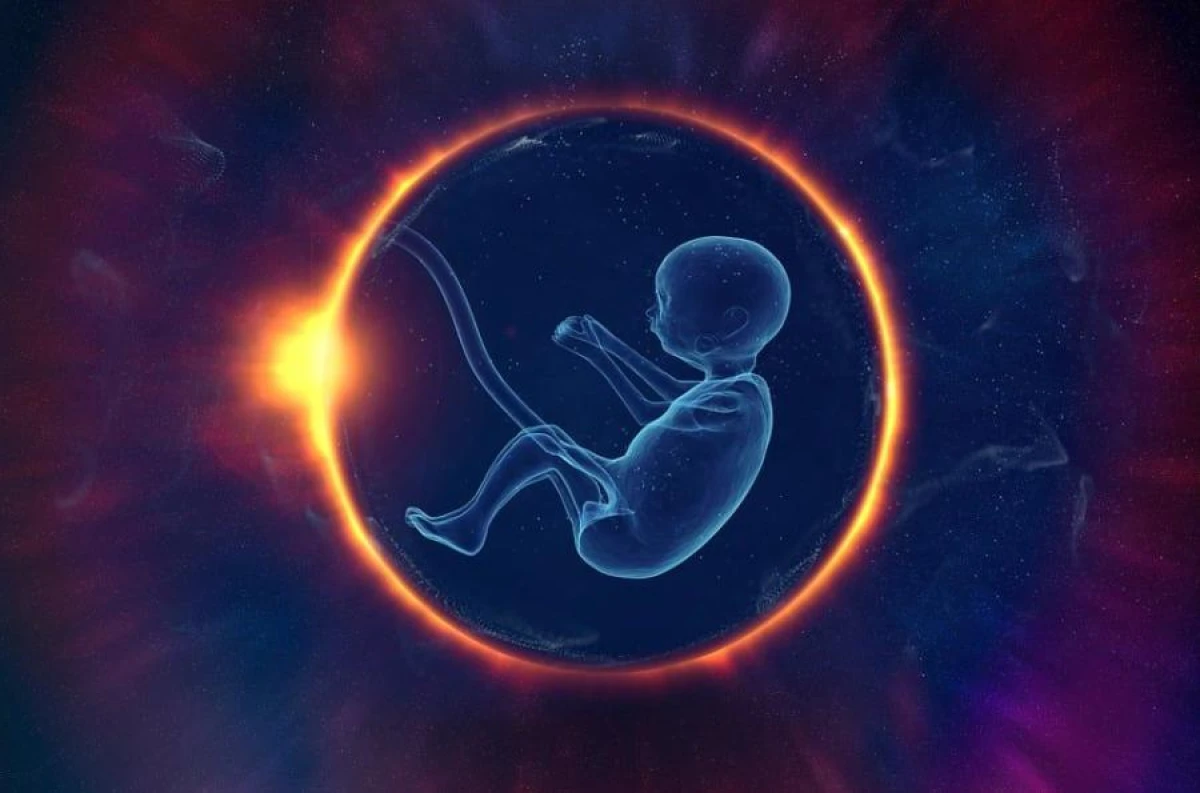
It is important to clarify: the station received not embryos in the conventional sense (resulting from the fusion of an egg and sperm), but their cellular models — so-called blastoids. These are structures grown by biologists from stem cells. In terms of architecture and molecular signals, they mimic a real human embryo at the blastocyst stage, but they have an important distinction — they cannot develop into a full-fledged fetus.
The use of such surrogates allows researchers to bypass strict international ethical restrictions concerning experiments on human life. At the same time, it enables a detailed study of the biology of the most mysterious period of human existence — embryonic development.
The main task of the experiment is to observe a short time frame that embryologists refer to as the "black box." This is the third week after fertilization, specifically the days from the 14th to the 21st. It is at this stage of pregnancy that the main organs of a human begin to form. Any disruptions that occur can seriously affect the further development of the organism. Peering into how this happens in a real embryo inside a maternal organism is technically almost impossible.
The Chinese research team intends to track this process in conditions of microgravity and radiation. And, as already mentioned, using artificial embryos rather than real ones.
"It is very important for us to understand whether weightlessness will introduce chaos into the basic formation of the body," the project authors note. "If it turns out that gravity affects how cells orient themselves in space, then any plans for having children on the Moon or Mars may be called into question."
Robot Nanny in Orbit
The model embryos are expected to spend five days on the "Tiangong" station. Since the presence of a live crew is not required for such delicate work, a fully automated cultivation system monitors the samples. It maintains the ideal temperature and even independently changes the nutrient medium for the growing cells.
Immediately after the active growth phase is completed, the containers will be frozen directly in orbit. This will allow all biochemical processes to be captured in the state in which they occurred in space, eliminating distortion during their return to Earth. Later, the frozen samples will be returned to laboratories for comparison with a control group of embryos that developed under identical conditions but under the influence of Earth's gravity.
Why This Matters to Humanity
The goals and objectives of such an experiment go far beyond academic science. Humanity's ambitions for colonizing deep space face harsh biological realities. It is known that radiation damages DNA, and microgravity alters gene function and even the shape of cells. Will the "construction" program of the organism work if gravity is turned off at the moment this program is just starting? There is currently no answer.
If the results of the experiment show that embryonic development in space occurs without critical anomalies, this will be an argument in favor of the possibility of human reproduction during long interplanetary flights. If serious disruptions are discovered, we will have to seek much more complex engineering and biomedical solutions for life beyond Earth.
By implementing this project, China, which is actively increasing its presence in space, is moving to the forefront of space medicine. Previously, the undisputed leadership in this field of science was held by Soviet and then Russian scientists.
Thus, the Chinese national station "Tiangong" is transforming not just into an orbital laboratory, but into a platform for scientific experiments where the most crucial question for civilization is being addressed: can it survive beyond its cradle — Earth?