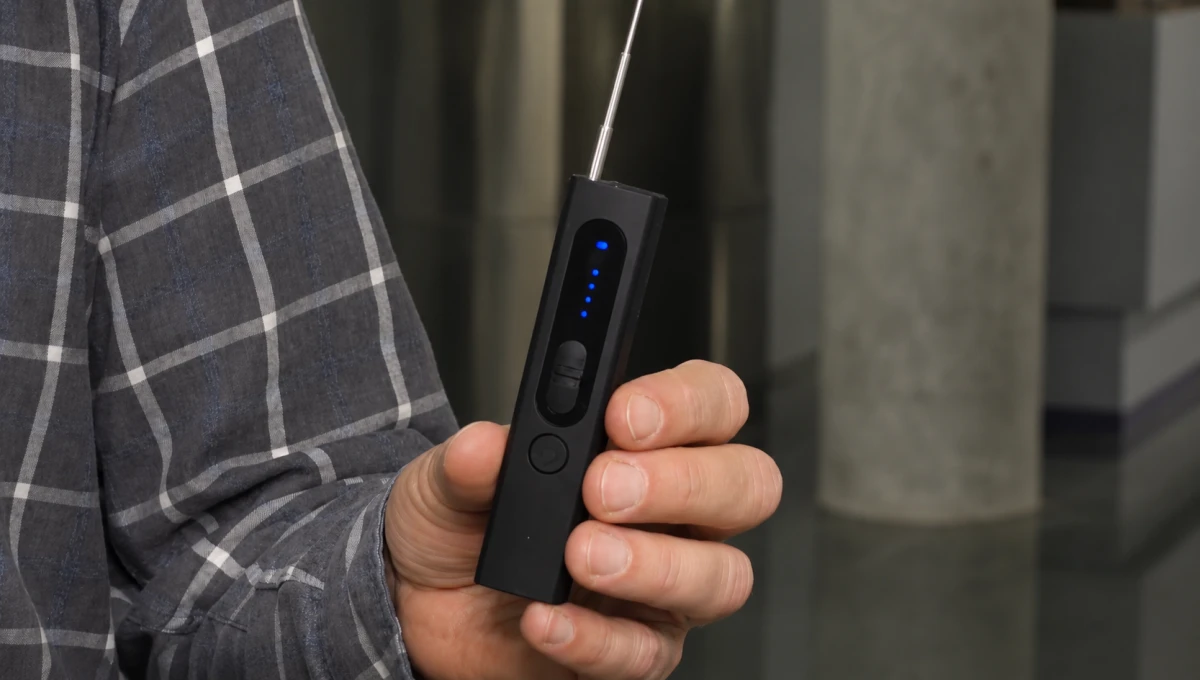
Spanish universities have begun using radio frequency detectors and metal detectors to combat cheating with the help of artificial intelligence. In some cases, the devices can even detect a turned-off mobile phone.
Spanish universities are tightening control during exams due to the rapid increase in cases of cheating using artificial intelligence (AI).
Now, teachers have to fight not only against mobile phones but also against miniature headphones, hidden cameras, and even "smart" glasses with AI.
One of the first universities to implement new measures was the University of Alicante.
They have started using radio frequency detectors — devices capable of detecting signals from mobile phones and other electronic devices.
If a phone is turned on, the system triggers an alarm, and the teacher receives a notification right during the exam.
At the Polytechnic University of Valencia, it was stated that a student could automatically receive a zero for the exam for using such devices.
In some cases, the punishment can be even harsher — a retake of the oral exam and a retake of the entire subject.
Teachers acknowledge that the problem has sharply intensified after the spread of generative AI.
According to Hector Esteban, director of the Higher School of Telecommunications Engineering, students photograph assignments on their phones, and artificial intelligence almost instantly provides ready-made answers.
Particular concern is raised by technologies that are difficult to notice visually.
This includes tiny headphones, hidden cameras, and glasses with artificial intelligence features.
Moreover, modern anti-cheating systems can search not only for active signals.
As specialists explain, some devices detect semiconductors — that is, electronic components inside the phone even when it is turned off.
This means that hiding a device is becoming increasingly difficult.
Additionally, portable metal detectors have started to be used at the entrance to classrooms in universities.
According to Spanish media, at least 40 universities and educational institutions in the country have already shown interest in such technologies.
The new measures are especially actively discussed before graduation exams and university entrance exams.
Currently, at least four autonomous communities in Spain have already decided to use frequency detectors in the upcoming exam session, and several other regions are considering joining.
For the educational system, this is becoming not only a matter of discipline but also a matter of trust in the exams themselves.
Universities fear that without new measures, the traditional system of knowledge assessment may quickly lose its meaning against the backdrop of the development of AI technologies.
At the same time, the teachers themselves emphasize: the goal is not to complicate life for students, but to show that technologies should help learn, not replace knowledge.
As for Latvia, the problem of AI abuse in education exists here as well, but there have been no reports of similar measures being implemented so far. However, given the development of technologies, it is quite possible that soon Latvian teachers will also use special devices during exams to identify dishonest students.