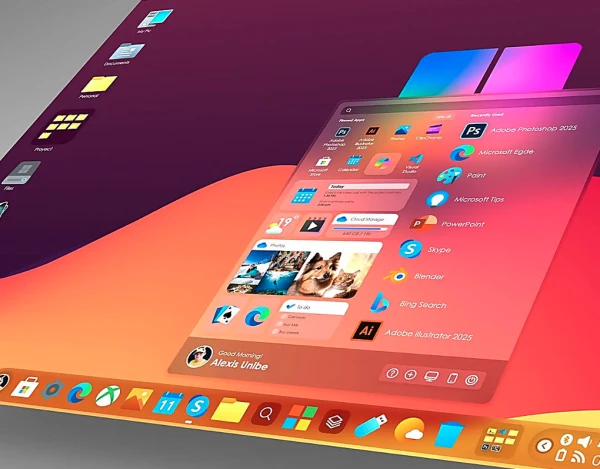
The next version of Windows will be entirely based on artificial intelligence. The system will not run on PCs without a processor with a built-in neural module with performance below 40 TOPS. Many will need to buy a new laptop or system unit for this, which, given current prices, will become a significant and costly problem. And even after all this, users will face another surprise – paid subscriptions directly in the operating system.
Microsoft is Preparing a "Gift"
The next operating system from Microsoft may come as a very unpleasant surprise for most users not only of Windows 10 but even of the less favored Windows 11. As reported by PCWorld, it will be based on artificial intelligence, which means it will require quite powerful hardware, according to Cnews.
The system, tentatively named Windows 12, will require a processor with a built-in neural processing unit (NPU) for handling AI tasks, and the performance of this NPU must be no less than 40 TOPS. The neural module appeared in Intel and AMD processors only a couple of years ago, meaning that all other CPUs will not be suitable for Windows 12. Most likely, a significant upgrade of the system unit will be necessary, or even the purchase of a completely new PC or laptop.
At the time of publication, it was unclear what specific limitations users without an NPU or with an NPU that does not deliver 40 TOPS performance would face. There are two basic options here – the system may either refuse to work entirely on such PCs or restrict users' access to various AI functions. Judging by Windows 11 and how diligently Microsoft is fighting against its installation on older computers, the first option seems most likely.
Neural Networks from Every Corner
As PCWorld reports, the release of Windows 12 is expected by the end of 2026, which is about five years after the release of Windows 11 – its announcement took place in June 2021, and the first stable build was released in October 2021.
Windows 12 is set to feature a new CorePC architecture to isolate OS components from each other for easier and faster updates – Microsoft is currently facing significant issues with this. At the core of the OS will be the virtual assistant Copilot. Microsoft released it in 2021, and two years later began its gradual integration into Windows, where it replaced the previous assistant named Cortana.
It is important to emphasize that consumers strongly dislike both Copilot itself and the zeal with which Microsoft is trying to force the entire world to use it. As reported by CNews, they are seeking and finding various ways to rid Windows of this unwanted feature.
"Annoying Subscription"
IT companies are trying to sell users subscriptions for all their products. Microsoft has them too – it sells subscriptions for its OneDrive cloud, from which it removes user files without warning, for the Office 365 service, and more.
According to NotebookCheck, Windows 12 will also not be without subscriptions. At the time of publication, it was unclear what exactly Microsoft would charge for on a monthly or annual basis, but there is a possibility that the era of one-time license purchases for Windows will become a thing of the past, and users will have to subscribe to the OS itself.
Microsoft Knows How to Persuade
The strategy of "staying on the old version of Windows for as long as possible" in the case of Windows 12 will likely work, just like with all previous versions of this OS over the past 15 years. After the release of a new OS, Microsoft begins to advertise it directly in the old system, sometimes even hindering people from working on their PCs. In some cases, the new OS installs itself automatically, which only generates negativity among users.
Subsequently, hardware manufacturers stop releasing drivers for new devices for the old Windows, leading to the necessity of changing the system when upgrading an old PC or buying a new one. After a while, support for the oldest OS also ceases – security updates stop being released, and it gradually becomes vulnerable to hackers. Then developers of key software, such as browsers, also join in, disabling support for the outdated version of Windows in their new releases.
There is Always a Way Out
However, the cessation of support for, say, Windows 11 will not mean the necessity to switch to Windows 12. Users have many alternatives, one of which is macOS, especially since the entry threshold into the Apple ecosystem has significantly lowered in recent years. Now, for the price of a good Windows laptop, one can purchase a not-so-old MacBook, for which macOS updates are still being released.