Sympathetic neurons release compounds that stimulate inflammation.
Recently, an article was published in the biological journal Cell, demonstrating how the brain harms the heart after a heart attack. The issue lies in the inflammation that begins after damage to the heart muscle, but now the brain exacerbates this inflammation.
A crucial area of the brain is involved here – the hypothalamus, specifically a part called the paraventricular nucleus of the hypothalamus (PVN). This nucleus receives signals from the sympathetic nervous system, which generally acts as a stimulator in stressful situations when quick decisions need to be made, etc.
Damage to the heart muscle from a heart attack is undoubtedly a stressful situation, and the sympathetic neurons connected to the heart activate the PVN while simultaneously releasing compounds that stimulate inflammation. The paraventricular nucleus of the hypothalamus influences the sympathetic nerves, and if its activity is suppressed, these nerves will also stop exacerbating post-heart attack inflammation. The same effect can be achieved by preventing sympathetic neurons from releasing inflammation stimulators – in both cases, the heart will recover more quickly, and the damage will be less severe.
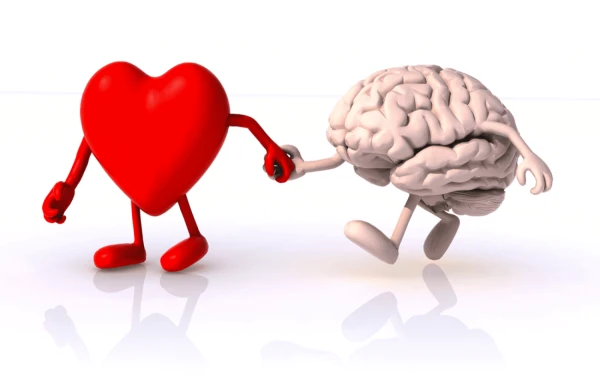
These results further emphasize that the heart does not exist in a vacuum. It is quite clear that the immune system and the brain keep a close watch on it: the immune system cares about any internal damage, while the brain is fundamentally in constant communication with everything (and the close interaction between the nervous system and the immune system is no longer news).
At the same time, the actions of the immune system do not always benefit, and the decisions made by the brain can be opposite in nature. In the case of the heart, it is necessary to determine how different parts of the brain coordinate their actions, what influences the balance of inflammatory and anti-inflammatory signals sent to the immune system from various brain regions. And, of course, before making any clinical conclusions, it is essential to check whether such neuro-immune-cardiac effects occur in humans – because the second study, like the first, was conducted on mice.