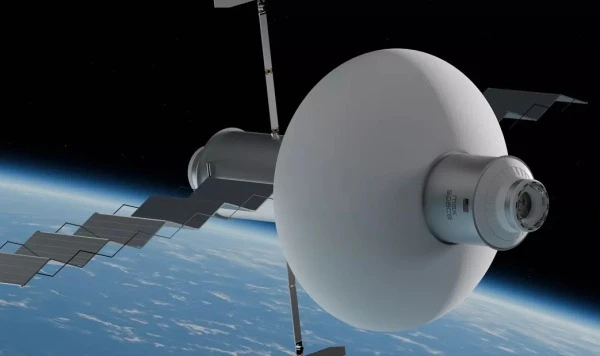
One launch will provide a volume equal to one-third of today's ISS.
The Florida-based startup Max Space is actively promoting the idea of an orbital commercial station, all components of which can be delivered to space by a single rocket. The concept, named Thunderbird, proposes sending the station into orbit in a packed form and then deploying it to operational size. The main feature of such a station is its design, which can expand to a volume of 350 m³.
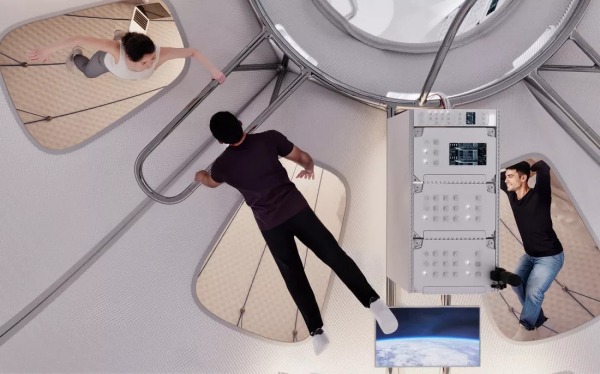
For comparison, this is about one-third of the total living and working space of the ISS, which has a total volume of 1005 m³. This architecture allows for the avoidance of complex and costly assemblies in orbit that require multiple launches, as was the case with the ISS.
The station will accommodate a crew of four for long-term operations or up to eight astronauts for short-term visits. The interior space has been designed with comfort and functionality in mind: separate cabins are planned to ensure privacy during long missions, as well as a common area that can serve both work tasks and relaxation.
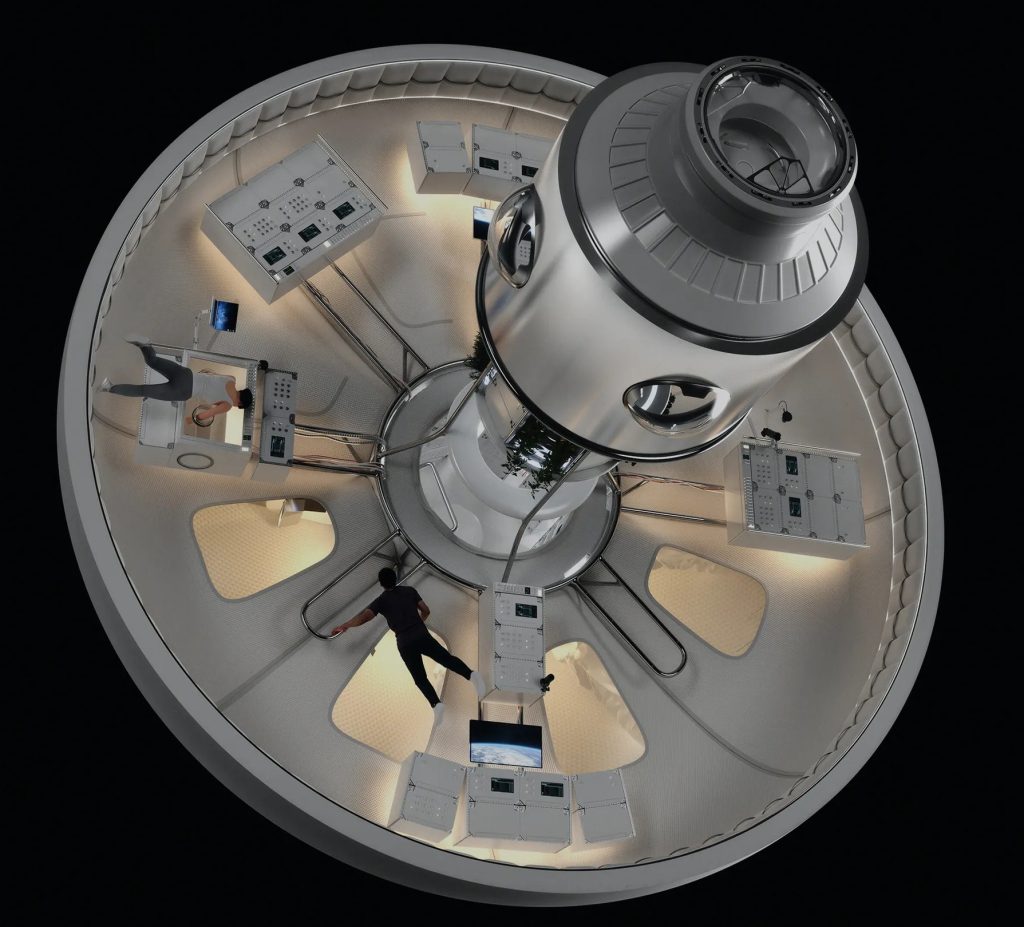
The launch of a scaled-down prototype of Thunderbird is scheduled for early 2027 to test a key system in real conditions: the protective layer of the module designed to deflect impacts from space debris and micrometeoroids. If the tests of the small prototype are successful, the full-sized Thunderbird station could appear in orbit as early as 2029.
In addition to its role as a laboratory around Earth, the developers see Thunderbird as a living module for future missions to the Moon and Mars, opening a new chapter in space expansion.
<iframe width="560" height="315" src="https://www.youtube.com/embed/QNf1i3gltnY?si=ulgZ4BQtGxRzN1c3" title="YouTube video player" frameborder="0" allow="accelerometer; autoplay; clipboard-write; encrypted-media; gyroscope; picture-in-picture; web-share" referrerpolicy="strict-origin-when-cross-origin" allowfullscreen></iframe>