
Reliable links between gut microbiota and only two genes have been established to date.
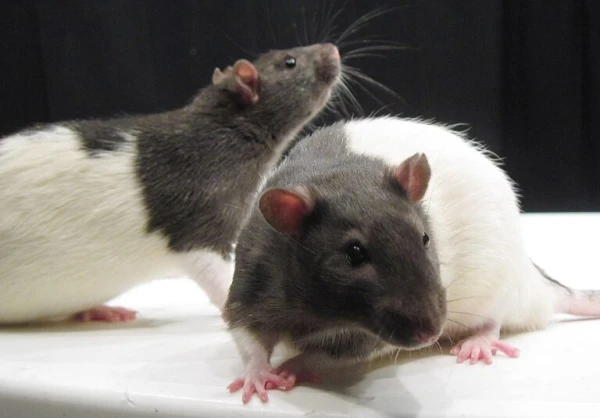
According to a study on rats published in the journal Nature Communications, the genetic characteristics of "cage mates" can influence each other's gut bacterial composition. In other words, the genes of one animal can indirectly affect the microbiome of another. An analysis of data from more than four thousand rats showed that the gut microbiota is shaped not only by the organism's own genes but also by the genetic factors of those individuals with whom it cohabits.
The work reveals a new mechanism of interaction between heredity and the social environment. Although the genes themselves cannot be transmitted from one individual to another, commensal microorganisms of the gut can do so. Researchers found that certain genes create favorable conditions for specific bacteria, which can then spread between individuals during close social contact.
The gut microbiome is a complex community of trillions of microorganisms that inhabit the digestive tract and play a crucial role in digesting food and maintaining the health of the organism. While the influence of diet and medications on these microbial communities is well studied, the contribution of hereditary factors remains significantly less understood. In humans, reliable links between gut microbiota and only two genes have been established to date. The lactase gene determines the ability of an adult organism to digest dairy products and, consequently, affects the bacteria involved in breaking down lactose. The ABO blood group gene is also associated with microbiome characteristics, although the mechanisms of this interaction remain unknown.
There are likely more genetic connections between organisms and microbes, but confirming them is challenging due to the close intertwining of heredity and environment. Genetic characteristics may determine dietary preferences and lifestyle, which in turn shape the composition of the microbiome. Relatives and close individuals often share common space, food, and microorganisms, complicating the separation of the influence of genes and living conditions. To overcome these limitations, researchers from the Center for Genomic Regulation and the University of California, San Diego, used a model with laboratory rats. These animals are similar to other mammals in many ways, but they can be kept in strictly controlled conditions, including a uniform diet.
All rats were genetically diverse and belonged to one of four populations housed in different research centers across the USA with varying living conditions. This approach allowed researchers to test whether genetic effects persist regardless of the environment. By comparing genetic data and information about the gut microbiome composition of more than 4000 animals, the researchers identified three genomic regions that consistently influence gut flora across all four groups.
The most pronounced association was linked to the St6galnac1 gene, which is involved in adding sugar molecules to gut mucus, and the Paraprevotella genus of bacteria, which is thought to use these sugars as a nutrient source. This microorganism was present in all groups of animals. The second genetic region included several mucin genes that form the protective mucous barrier of the gut and correlated with bacteria from the Firmicutes group. The third region contained the Pip gene, which encodes an antibacterial compound, and was associated with bacteria from the Muribaculaceae family, which are widespread in rodents and also found in humans.
The large sample size allowed for the first time to determine what portion of each rat's microbiome is due to its own genes and what portion is due to the genetic characteristics of other individuals with which it is cohabited. A classic example of such a mechanism, known as indirect genetic influence, is the effect of maternal genes on the growth or immunity of offspring through the environment she creates for them.
The strictly controlled conditions of the rat experiment allowed researchers to approach the study of these effects in a fundamentally new way. The authors developed a computational model that separates the direct influence of the animal's genes on its microbiome from the effects mediated by the genes of its social partners. The analysis showed that the abundance of certain bacteria from the Muribaculaceae family was determined by both direct and indirect genetic factors. This means that some genetic effects spread within the group through the exchange of microorganisms.
When these social, or indirect, influences were accounted for in the statistical model, the overall contribution of genetics for the three newly identified links between genes and microbes increased four to eight times. According to the researchers, even these estimates may reflect only a portion of the actual scale of genetic impact.














Leave a comment