Disorders have proven to be extremely harmful to the brain.
The ability to adapt to changing circumstances is essential in a variety of life situations—from everyday social interactions to critical moments when survival is at stake. However, the question of which processes in the brain provide such behavioral flexibility remains open.
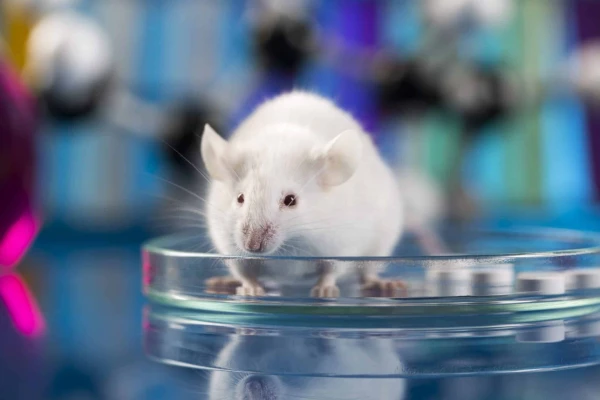
In a study published in the journal Nature Communications, neurobiologists from the Okinawa Institute of Science and Technology (OIST) described the neural mechanisms of adaptive behavior in mice. The findings may have implications for understanding a range of neurological and psychiatric disorders, including addictions, obsessive-compulsive disorder, and Parkinson's disease.
In the experiment, mice were trained to navigate a virtual maze, choosing a route that led to a reward. After the animals learned the rule, the researchers altered the correct path, causing the mice to unexpectedly stop receiving rewards. Using two-photon microscopy, the scientists tracked the changes occurring in the brain. At the neural level, a significant increase in the release of acetylcholine was recorded in specific areas, while at the behavioral level, there was an increase in the number of animals that changed their choice after a failure, demonstrating a strategy of "switching after a loss."
To confirm the causal role of acetylcholine, the researchers artificially reduced its production. As a result, the mice's ability to switch behavior was significantly weakened, confirming the importance of this neurotransmitter for adapting to new conditions.
Interestingly, while most cholinergic interneurons enhanced the release of acetylcholine, in some small groups of cells, its level decreased or remained unchanged. According to the authors, such a mechanism may allow the brain to retain information about previously successful strategies, even in a changing environment.
<iframe width="560" height="315" src="https://www.youtube.com/embed/k5KPC3yQ3aI?si=Y2t1bjIA5p-uDThm" title="YouTube video player" frameborder="0" allow="accelerometer; autoplay; clipboard-write; encrypted-media; gyroscope; picture-in-picture; web-share" referrerpolicy="strict-origin-when-cross-origin" allowfullscreen></iframe>