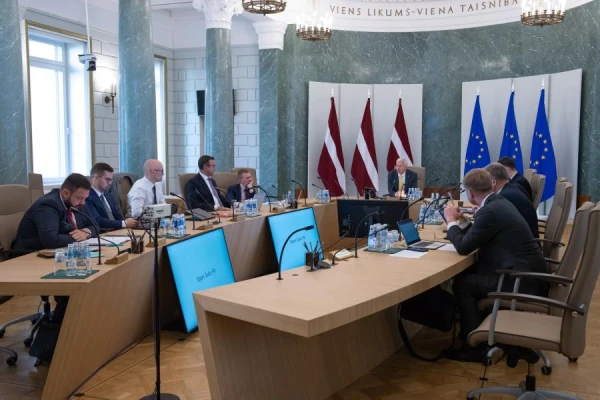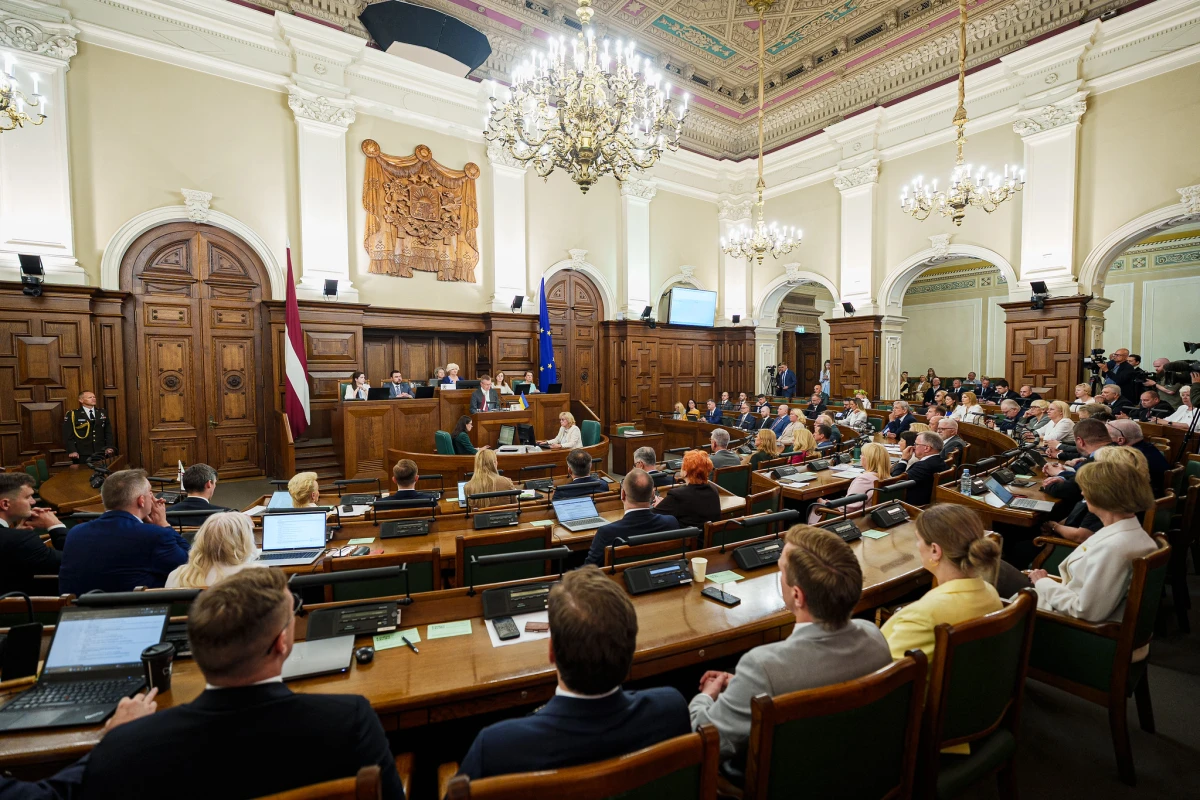
Yesterday, the people's servants had a very long working day. The most politically and economically significant issue was the bill that extends the reduced excise duty rate on diesel fuel until the end of the year!
With this, the deputies accomplished three tasks at once:
-
First, they ensured price stability for diesel fuel, which will only contribute to the competitiveness of the Latvian economy;
-
Second, they restrained the pace of inflation growth;
-
Third, they improved their image ahead of the elections.
The ruling deputies yesterday, before going on vacation, also fulfilled the request (or rather, the directive) of the new Prime Minister and urgently changed two laws, granting Andris Kulbergs the right to appoint the director of the State Chancellery without a competition. Otherwise, considering all these competitive procedures, the State Chancellery would not have had a full-fledged leader for another five months... The government would have resigned, and the country's chief official would still not have been appointed.
Three Important Decisions
If we summarize the overall results of the deputies' work during the spring session, three significant decisions of the parliament should be highlighted.
-
The first is the emergence of the new Kulbergs government, and the creation and approval of this government indeed took place in record time.
-
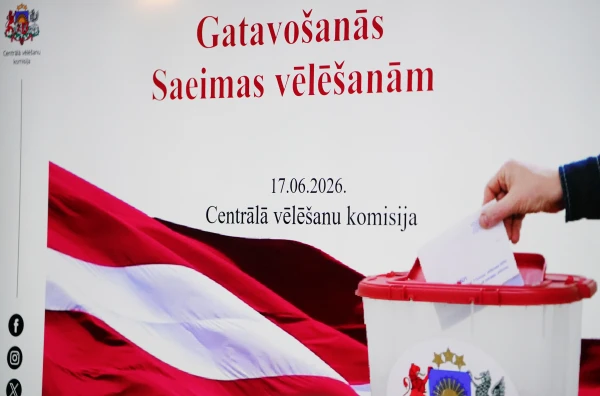
The second is the decision to issue a short-term loan of 30 million to airBaltic. This decision can be assessed in various ways, but one thing is clear – the majority of parliamentarians were not ready to act as the undertakers of the national airline. How voters will ultimately assess this will be known very soon: parliamentary elections will take place on October 3.
-
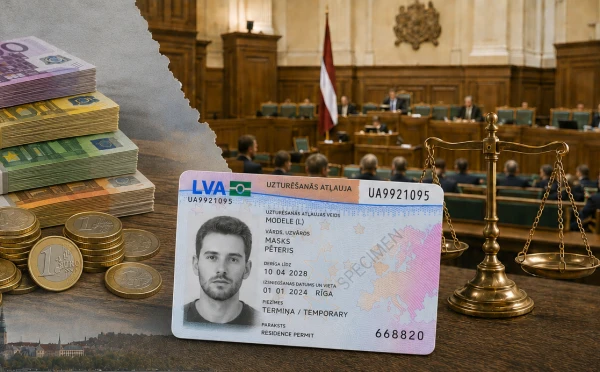
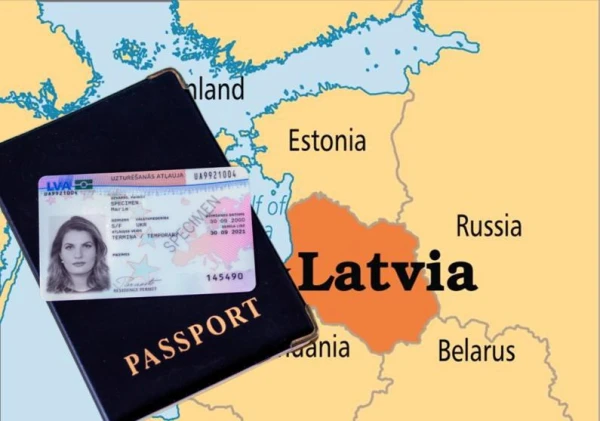
Another memorable decision is the adoption of the new Immigration Law. Despite the political ambiguity of the new law, which, by the way, the president has not yet signed, there is one positive aspect – the law does provide a chance to attract wealthy individuals to the country.
It should be noted that the law allows citizens of third countries to obtain a temporary residence permit for 5 years by contributing 150,000 euros to the Alternative Investment Fund and simultaneously depositing another 10,000 euros into the state treasury. Interestingly, the law has not yet come into force, and just yesterday, in an urgent manner, an amendment was adopted stating that citizens of the Russian Federation and Belarus will not have this right to obtain a residence permit through investment.
No Refunds for Force Majeure
It is noteworthy that legislators also reacted to the increasing drone incursions into Latvia. Yesterday, the Saeima conceptually approved amendments to the law that exempt, for example, organizers of paid concerts, festivals, and other cultural events from the obligation to refund tickets if all these events are interrupted due to security threats – that is, in case of an emergency. This will be considered force majeure, and spectators will not be able to claim compensation.
Overall, it can be considered that the spring session served as a rehearsal before the autumn session, as when the deputies return from vacation – at the end of August – there will be only a month left until the elections...
The deputies actively used the spring session to remind voters of their beloved selves. This mainly involved the introduction of a number of social bills aimed at reducing taxes and increasing various types of benefits...
However, all these initiatives were rejected by the ruling majority. Thus, the ruling deputies at that time (still under the Siliņš government) even refused to start discussions in parliament about the right of Latvians to choose their savings in the second pension level. There is no doubt that in the autumn, just before the elections, the opposition will raise this issue again!
Accountability Required
And another thing. In September, the opposition will demand that the Kulbergs government report on the first three months of its work. Specifically: are there any positive developments in overcoming the crisis at airBaltic and in finding funding for Rail Baltica?
The parliamentarians will also have questions for the government regarding the situation in healthcare – this concerns the accessibility of inpatient care: the queues of ambulances at the main clinic's emergency room have already become "chronic," and all that Health Minister Abu Meri can do is shrug and state that... Riga needs another hospital!
The Prime Minister will have to divert himself from daily video reports from his office and engage in solving this problem.
In any case, September in parliament and in political life will be very hot!