
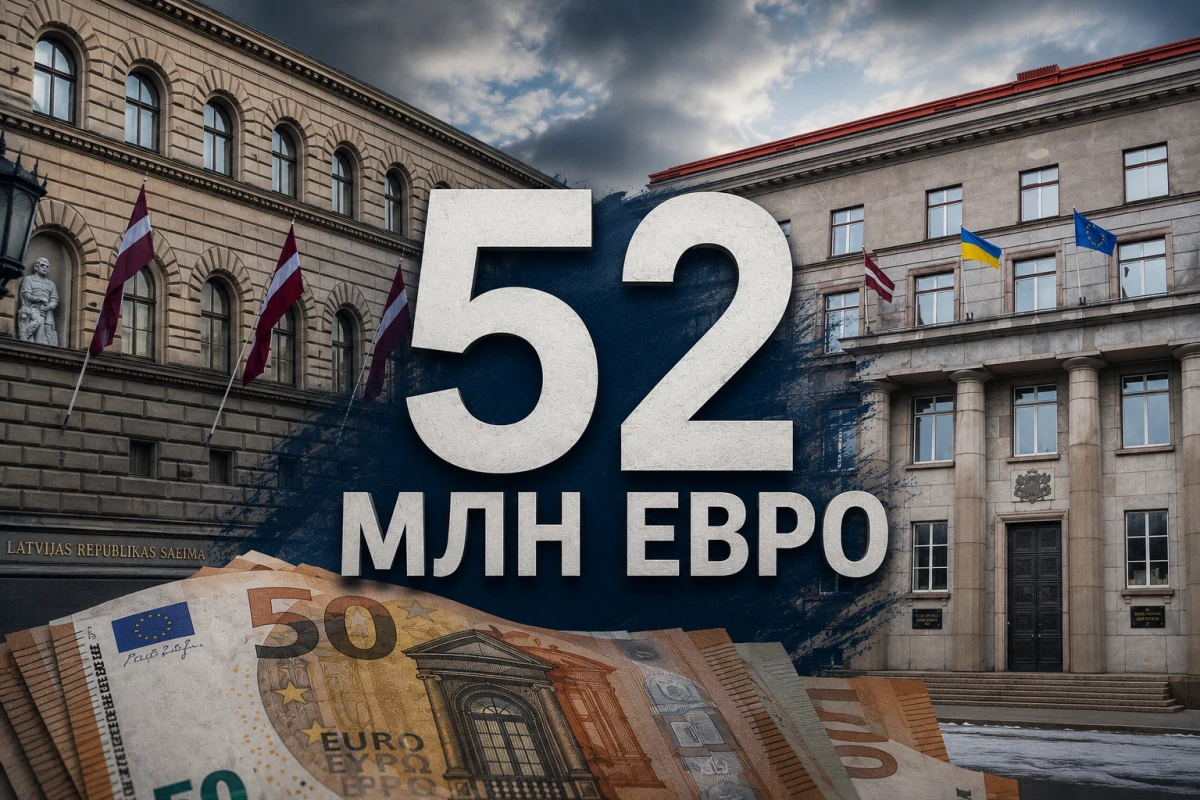
The Budget and Finance Commission of the Saeima unexpectedly blocked the redistribution of 52 million euros approved by the government of Evika Silina. Dozens of projects are under threat — from prison repairs and police equipment purchases to assistance for Ukraine and the development of state information systems.
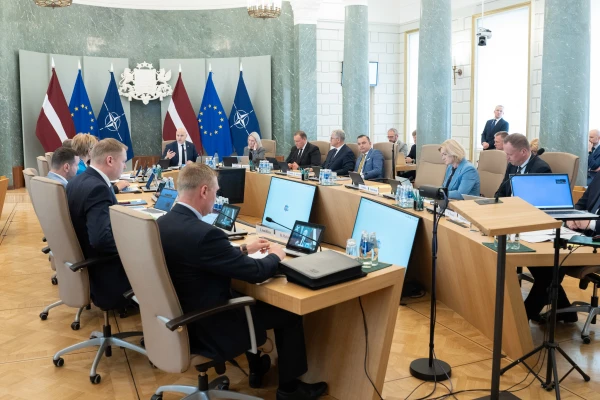
One of the last decisions of the government of Evika Silina was the redistribution of 52 million euros that remained unused at the end of last year. However, for the decision to take effect, the approval of the Budget and Finance Commission of the Saeima was required, which unexpectedly rejected the entire package of expenditures, reports the program Nekā personīga (TV3).
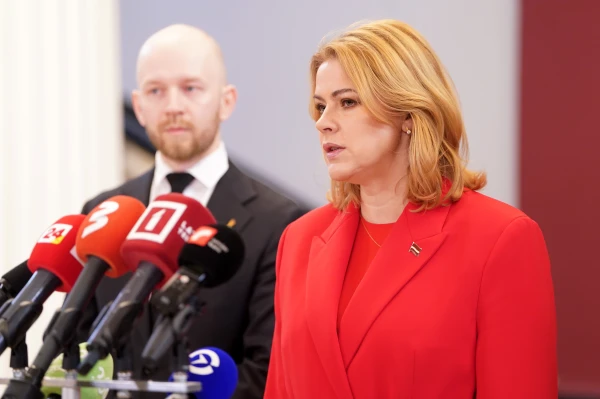
The reason was the lack of sufficient justification. According to the chairwoman of the commission, Anda Čakša, the deputies were presented with a list of expenditures in which not all items corresponded to the current priorities of the state.
The situation was unusual also because not only representatives of the opposition opposed it, but also deputies from parties that were part of the previous government coalition.
This is not about new budget expenditures, but about so-called appropriation — the redistribution of funds that ministries and state institutions did not manage to use last year. This mechanism was created so that agencies would not spend the remaining budget in haste at the end of the year but could use it later for other needs.
However, this time the decision was made so quickly that even some ministers later acknowledged that many issues were perceived as technical and did not receive proper discussion.
After the commission's decision, the funding of a number of projects was put into question.
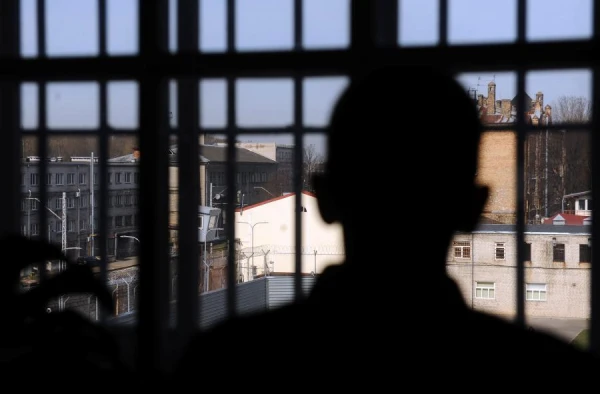
The largest amount — about 8 million euros — was to be received by the Ministry of Justice. The funds were planned to be directed towards the repair of the fence of the Jekabpils prison, maintenance of judicial information systems, and other projects related to the safety and functioning of the judicial system.
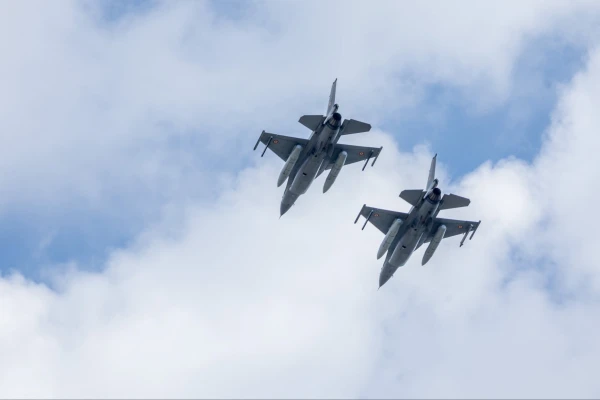
Almost 8 million euros were intended for the Ministry of Defense. Of this, 7 million were planned to be allocated for participation in the European PURL program, through which the procurement of American air defense systems for Ukraine is financed.
Another 6.63 million euros were to be received by the structures of the Ministry of the Interior. These funds were supposed to be used for purchasing police vehicles, equipping rescue services, and repairing the helicopter of the State Border Guard.
The Ministry of Finance expected to receive more than 5.6 million euros for the development of information systems of the State Revenue Service and enhancing the security of the presidential residence in Jūrmala. Additionally, the president's office was allocated another 2.3 million euros for security systems and protection of critical infrastructure.
After the vote, many ministers acknowledged that the commission's decision was a surprise to them. Minister of Justice Edvards Smiltens warned that the refusal of part of the funding could affect the functioning of the judicial system.
"This fast train can no longer be stopped — it has crashed into a concrete wall," he characterized the situation after the deputies' decision.
The criticism from the commission concerned not only large expenditures. Questions were also raised about relatively small amounts, such as 24,000 euros for media training for prosecutors, expenses for mobile communication for the Ministry of the Interior, as well as separate compensation payments in various agencies.
After the package was rejected, the government intends to review the requests and submit them for consideration again. Some ministries have already begun to reduce their requests. For example, the Ministry of Smart Governance and Regional Development has abandoned part of the expenses for building repairs and updating the vehicle fleet.
According to former Minister of Finance Arvils Ašeradens, the conflict is more procedural than political in nature and can be resolved within the coming weeks.
Now each ministry will have to prove the necessity of its expenditures anew, and there will no longer be automatic approval of budget leftovers as before.










Leave a comment