
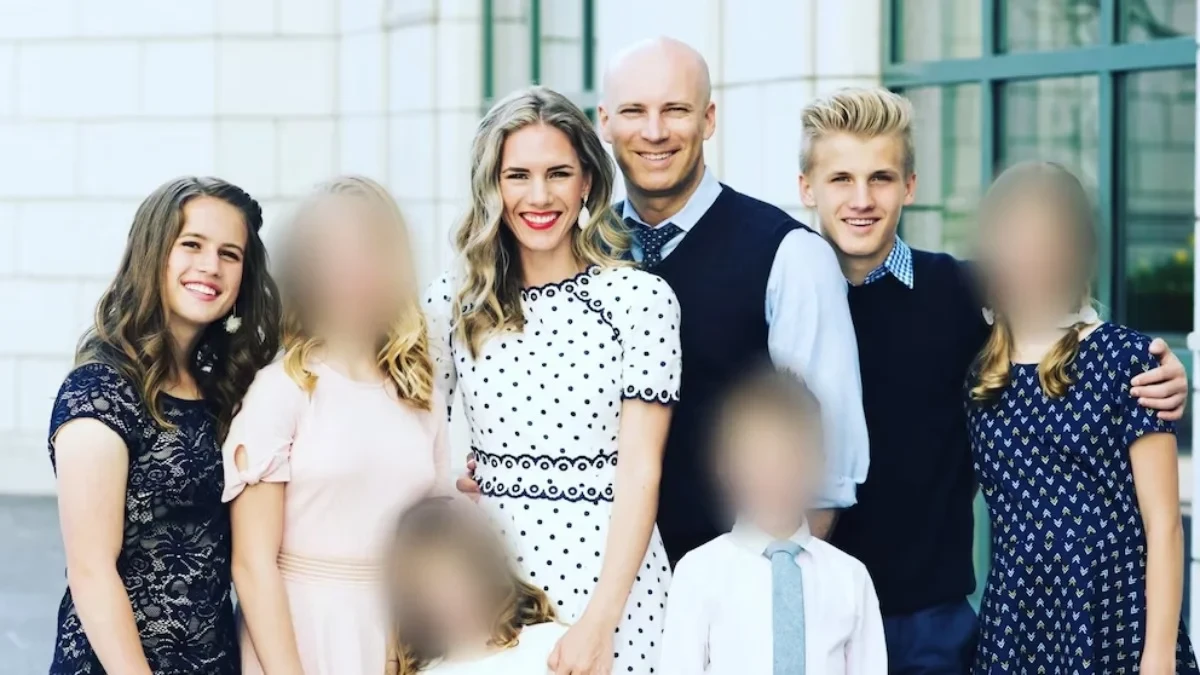
Top accounts charge up to $200,000 for a single sponsored post and earn between $8 million and $10 million a year.
While some parents film their child's first steps for the family archive, simply sharing about their lives, others monetize it. This phenomenon is called "kidfluencing" (from the English kid and influencer), where childhood becomes a profession, and the children themselves become professional bloggers and real social media stars with million-dollar contracts. Forbes Life examines where the line is drawn between family content and child labor, why the law is only now beginning to delineate this, and whether childhood can become a product at all.
The digital footprint appears long before children take their first steps. Parents start sharing about their children on social media even before birth — posting ultrasound images, then sharing photos of newborns that appear online within hours of birth. The phenomenon known as sharenthood (from the English share and parenthood) is gaining momentum: according to frequently cited data, one in four children in the West has a social media page before birth, writes The Economist.
But some parents go further — turning their children into full-fledged social media stars, so-called kidfluencers (from the English kid and influencer), documenting every significant and not-so-significant moment. They pick up the camera to capture first words and first steps, teething, tantrums, and potty training. Even "the most intimate moments are broadcast to millions," writes journalist and author of the book "Like, Follow, Subscribe" about influencer culture, Fortesa Latifi, as reported by The Economist.
The kidfluencing industry has grown into a multibillion-dollar business, where children work without contracts, without protection, and often without the right to refuse. The problem with this industry is that the child becomes both a content producer and its most vulnerable consumer. Thus, the issue goes beyond privacy — it is about including children in a system where they are simultaneously a commodity, an audience, and a source of data.
An April investigation by the Guardian vividly illustrates how this industry exploits children. Journalists created three new accounts on TikTok and tracked posts under the hashtags skincare from October to November 2025. Of the 7,600 analyzed TikTok videos featuring skincare product advertisements, 400 included children under 13 years old, with at least 90 of them being children under five. Moreover, videos featuring young children showed higher engagement — 55,400 interactions compared to an average of 36,000. The algorithm literally encourages the presence of children in content. British MP Victoria Collins called what is happening "a dark and exploitative corner of the internet" and "a dangerous double standard": child influencer content generates thousands of views and sales while remaining unregulated.
It is not uncommon for these grown-up media stars to not only regret their parents' decision to make their childhood public but also to take legal action.
High-Profile Lawsuits
Piper Rockelle was born in 2007 — by 2022, she had around 12 million subscribers on YouTube, 16.4 million on TikTok, and 6.4 million on Instagram (owned by Meta, which is recognized as an extremist organization in Russia, its activities are banned). She was the leader of a group of child influencers called The Squad, managed by her mother, Tiffany Smith. There were many accusations: violence, violation of business ethics, concealment of income. The lawsuit amounted to $22 million — ultimately, a settlement was reached for $1.85 million without an admission of guilt. "A Crazy True Story" — this is how American Forbes titled its piece about the situation surrounding the young blogger.
In 2025, Netflix released a documentary series "Bad Influence: The Dark Side of Kidfluencing," showcasing the story of Tiffany Smith, who subjected children to exploitation and abuse for monetized content. That same year, Hulu released the documentary series "Devil in the Family" about the dark side of kidfluencing, focusing on blogger Ruby Franke.
Ruby Franke, a mother of six living in Utah, ran a family YouTube channel called "8 Passengers" until she was arrested — after her emaciated 12-year-old son escaped from home and sought help from neighbors. In 2024, she was convicted of child abuse. Her 23-year-old daughter, Shari, spoke before state legislators: "No amount of money can compensate for a childhood spread all over the internet." This case significantly pushed Utah to pass a law in 2025 protecting child bloggers, requiring parents to set aside a portion of their child's earnings and allowing children to later demand the removal of content.
These stories demonstrate the most extreme cases — but they are not the only ones that should make one think before posting children's lives online. Publishing content featuring minors can seriously impact their emotional well-being. Who has access to these images? Did the child give consent? Do they feel pressured if their parents manage their account?
Cases Without Court
Journalist Fortesa Latifi collected stories in her book "Like, Follow, Subscribe" that did not make it to court but are nonetheless alarming. She asks Julie Jeppson, a mother of eight with a family YouTube channel, which videos are the most popular. The answer: those where children get injured. "Broken noses, broken arms, trips to the emergency room," Jeppson lists. In another account described by Latifi, a father continued filming his son during an epileptic seizure instead of immediately calling for help.
The money here is very real. Top accounts charge up to $200,000 for a single sponsored post and earn between $8 million and $10 million a year, The Economist quotes her. Ryan Kaji, who became famous at three for toy reviews, earned $35 million in 2025 — with over 40 million subscribers on YouTube. A three-year-old child could not give informed consent to become a brand.
Latifi discovered another non-obvious mechanism: a former blogger confessed to her that "she knew people who had more children because advertising contracts are very lucrative." The idea of having children for social media views may seem implausible — however, industry insiders tell Latifi that serious money is involved in promoting strollers, diapers, and pregnancy tests.














Leave a comment