
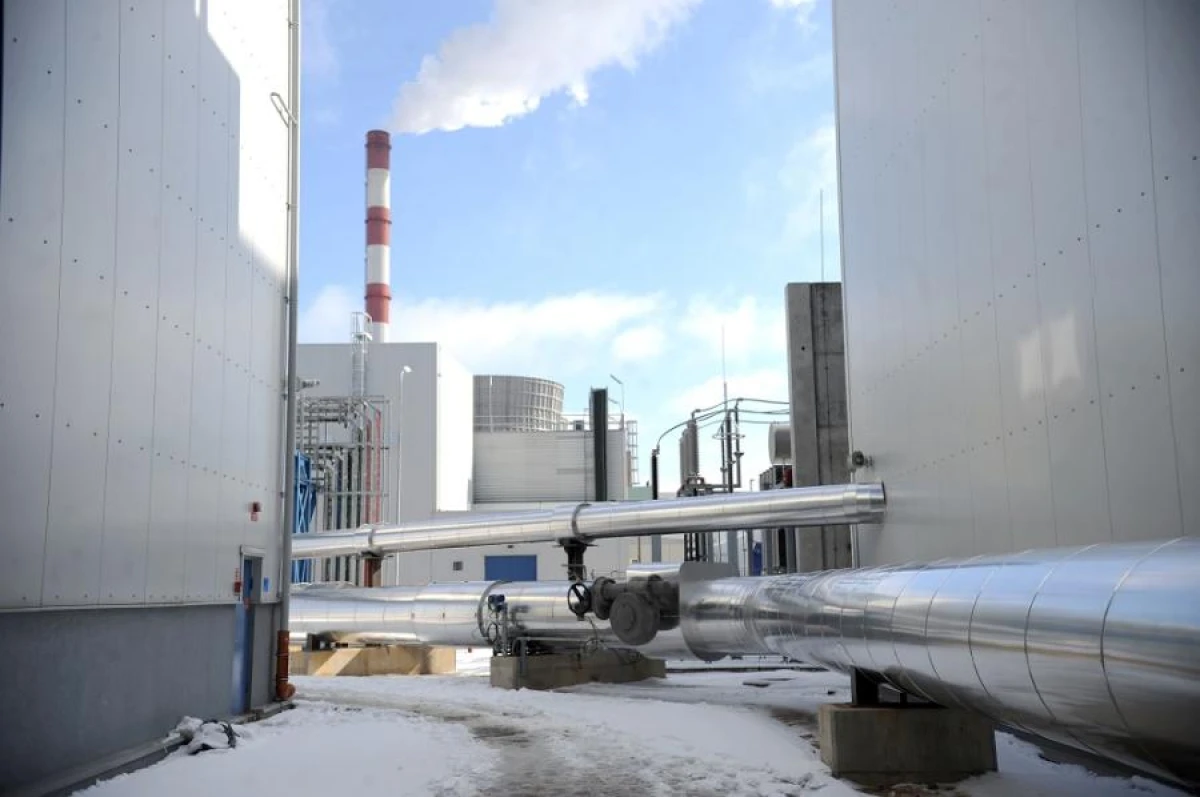
Riga Mayor Viesturs Kleinbergs stated that 'Latvenergo' plans to raise the cost of thermal energy supplied to the capital. If this happens, the changes may affect tariffs for residents, as heat from CHPP-1 and CHPP-2 is one of the main sources of heating for the city.
Residents of Riga may expect another change in heating tariffs.
In an interview with TV3, the capital's mayor, Viesturs Kleinbergs, stated that the energy company 'Latvenergo' intends to raise the price of heat supplied to the city's centralized heating system, according to LETA.
According to the mayor, this concerns the thermal energy produced at CHPP-1 and CHPP-2. Kleinbergs noted that such a decision will inevitably affect the operations of the company 'Rīgas siltums', and ultimately — the heating bills of Riga residents.
The responsibility for a possible price increase was placed by the mayor on the Ministry of Economics, which is responsible for the state energy policy.
Against this backdrop, Kleinbergs returned to the idea of changing the ownership structure of 'Rīgas siltums'. According to him, the Riga leadership intends to discuss with the government the possibility of transferring a controlling stake in the heating supply company to the Riga City Council.
What is important to know: so far, this is a statement from the mayor, not an approved new tariff. Specific amounts of possible increases and the timeline for their implementation have not yet been announced.
In the interview, Kleinbergs also touched on other issues on the city agenda.
Commenting on the relationship between the Riga City Council and the new government, he emphasized that for the capital, the most important thing is the presence of a functioning cabinet of ministers capable of making decisions on issues important to the city.
Speaking about roadworks, the mayor reported that this summer the city does not plan to launch major new street reconstruction projects. Instead, attention will be focused on completing already started works, as well as on projects to enhance road safety. According to Kleinbergs, by the end of summer, Riga plans to equip 20 to 30 new pedestrian crossings and create additional safe zones near schools.
Separately, the mayor commented on the controversial changes to traffic organization on Varna Street. He acknowledged that the city did not sufficiently explain to residents the reasons for the changes, but he did not promise to reconsider the decision on the reorganization of traffic.
Kleinbergs also stated that the municipality has limited influence on the development of the Riga port and considers it necessary to more actively adapt the port infrastructure to service large ferries.











Leave a comment