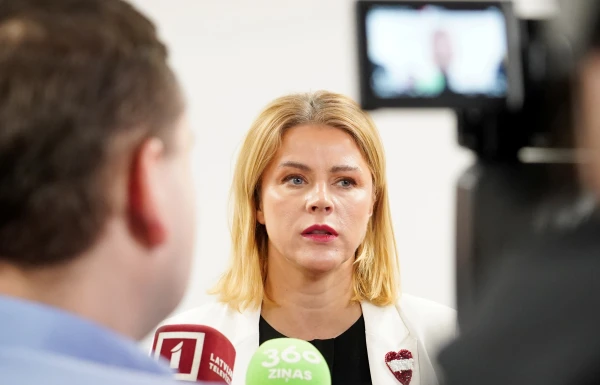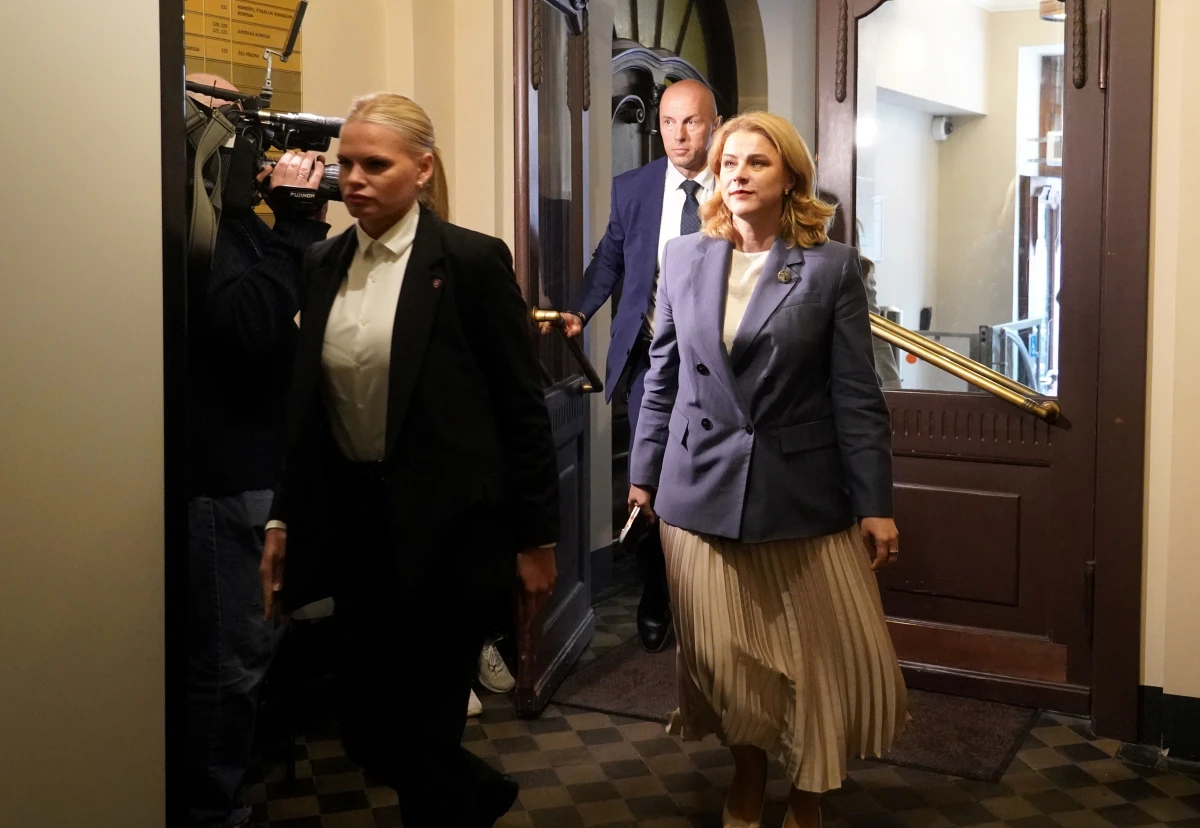
Former Prime Minister Evika Siliņa believes that the disintegration of the ruling coalition began back in the fall of 2025 — after the attempt to denounce the Istanbul Convention. According to her, it was then that a deep rift emerged between the partners.
The resigned Prime Minister Evika Siliņa stated that the first signs of the ruling coalition's disintegration appeared after the political conflict surrounding the Istanbul Convention. She mentioned this in an interview with the "Morning Panorama" program on LTV.
According to Siliņa, the attempt to denounce the Istanbul Convention in the fall of 2025 effectively became a turning point for the coalition. At that time, the Union of Greens and Farmers united with the opposition on this issue, which, in the former Prime Minister's opinion, created a serious rift within the government.
"After that, a split emerged, and then further disagreements followed," Siliņa implied.
She also claims that preparations for a change of government were already underway, and a new coalition composition was being discussed. However, according to her, these plans were thwarted at that time due to strong public resistance to the attempt to revise the Istanbul Convention.
The topic of the convention has become one of the most contentious in Latvian politics in recent years, dividing parties not only among themselves but sometimes even within the political forces themselves.
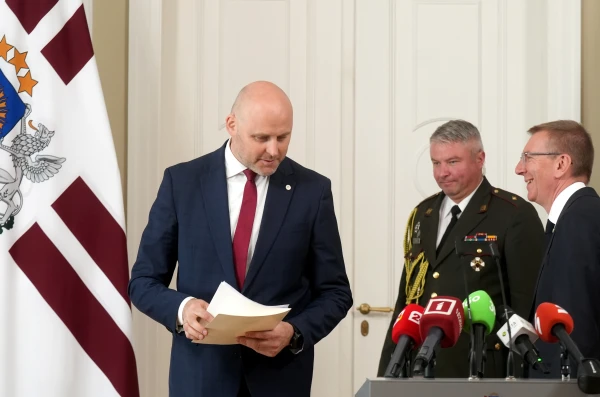
During the interview, Siliņa also sharply criticized Defense Minister Andris Sprūdžs from the "Progressives" party. The former head of government stated that she could no longer tolerate the minister's "empty talk," and the party's work in the defense sector, in her opinion, would now leave a political "stigma" on the "Progressives."
In fact, after the coalition's collapse, mutual public criticism between former partners has become increasingly evident.
At the same time, Siliņa disagreed with the widespread opinion that her government spent too much time on internal conflicts and not enough on real reforms. She stated that the cabinet worked "with high intensity," and many decisions would not have been made at all without her leadership.
When asked about the future of "New Unity," Siliņa did not directly assert that she should again claim the post of Prime Minister after the next elections. Among the possible party leaders, she mentioned European Commissioner Valdis Dombrovskis, faction leader Edmunds Jurevics, and also referred to "other strong candidates."
At the same time, she cautiously assessed the prospects of Foreign Minister Baiba Braže, noting that she "has not passed through the sieve of elections."
The political situation in Latvia remains extremely tense: negotiations on forming a new coalition continue after the government's collapse.