
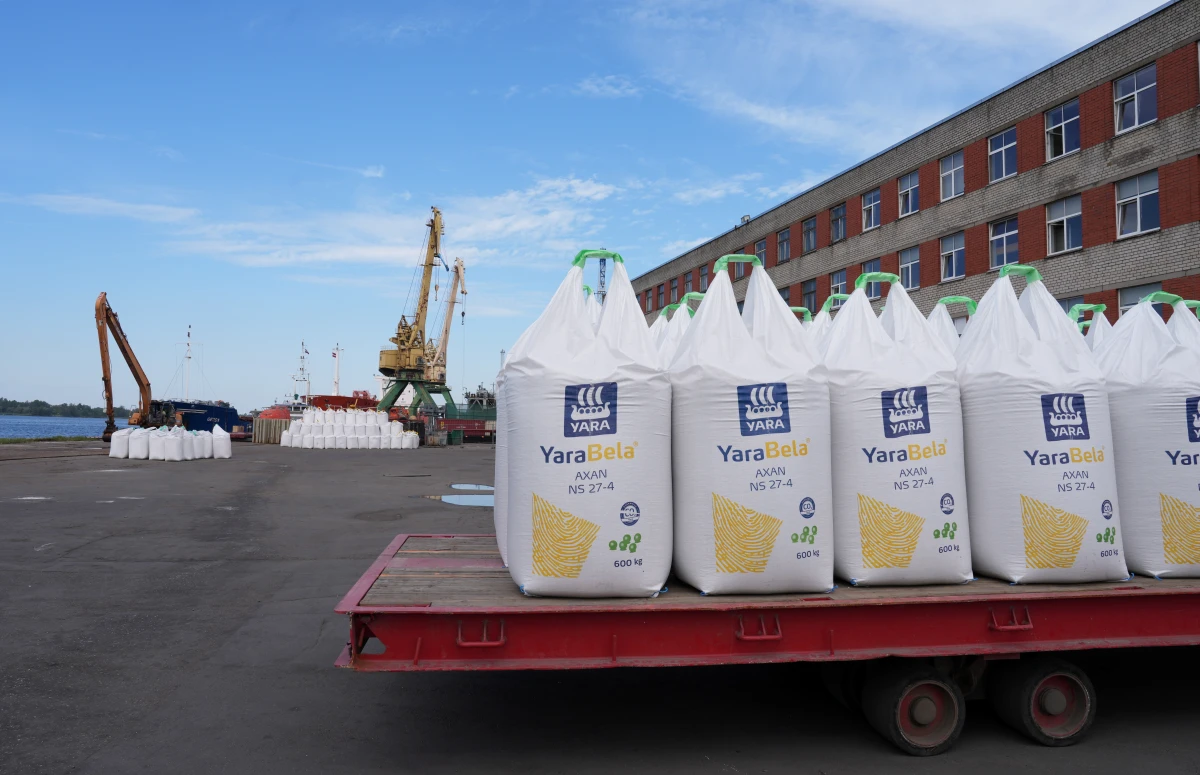
The Cabinet of Ministers of Latvia is considering the possibility of partially allowing the operation of the terminal linked to a sanctioned business. The decision may affect both the economy and security issues.
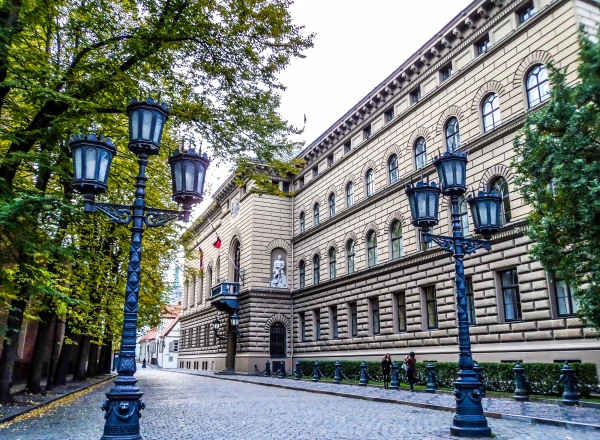
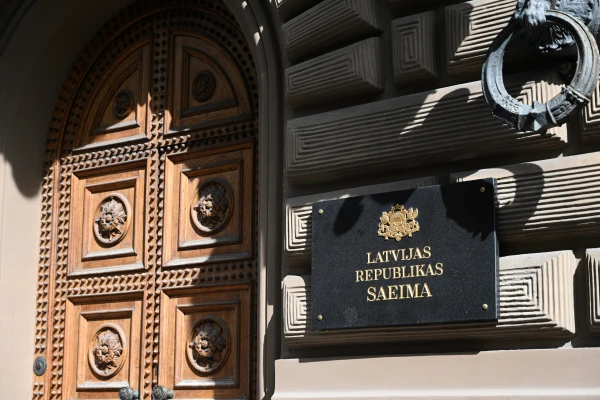
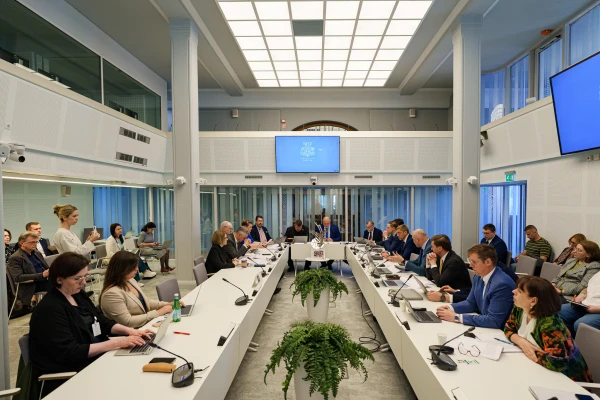
The Latvian government plans to discuss at a closed meeting today whether an exception to the sanctions regime can be applied for the company "Riga fertilizer terminal" (RFT). This was reported by the "de facto" program of Latvian television.
The company applied to the Financial Intelligence Unit back in November last year, requesting permission to resume operations. This is already the second such application. The Unit has evaluated it, but the final decision must be made by the government.
The key condition proposed by the terminal is the implementation of a so-called "firewall." This involves completely separating the management and profits of the company from the Russian oligarch Dmitry Mazepin, who is under sanctions.
However, the State Security Service warns that even with formal separation, influence may still persist unofficially — through trusted persons or affiliated companies.
According to "de facto," in the new application, RFT promises not to work with fertilizers of Russian and Belarusian origin. However, it remains unclear where exactly and in what volumes the cargoes will be sourced.
Such mechanisms have not yet been applied in Latvia. A rare example is cited from Lithuania, where a temporary administrator was appointed by the state for the sanctioned company "Lifosa."
In a comment, the company points to economic benefits: the potential restoration of 150 jobs, payments to the Riga Free Port and "Latvian Railways," as well as a contribution of more than five million euros per year. RFT also claims that it will be able to supply farmers with fertilizers more quickly and with lower logistics costs.
At the same time, there are warnings in the industry. The chairman of the grain growers' cooperative "VAKS," Indulis Jansons, emphasizes that economic benefit should not outweigh security risks.
The issue of a sanctions exception was raised earlier — in August of last year, but at that time the government did not support the idea, despite the position of some ministers advocating for the resumption of the terminal's operations.
According to Firmas.lv, the ultimate beneficiary of RFT remains Dmitry Mazepin, who controls 51% through a Cypriot company. The remaining 49% belongs to structures associated with the families of Andris Škēle and Ainars Šlesers.
Previously, the Financial Intelligence Unit had already made decisions regarding cargoes associated with the terminal — in particular, allowing the unfreezing and sale of fertilizers due to environmental risks. The funds obtained were frozen in Latvian banks.
Sanctions against assets linked to Mazepin have been in effect since March 2022 — after the start of Russia's full-scale war against Ukraine. It was precisely because of these sanctions that the terminal's operations were halted.
The outcome of the discussion in the government will show whether Latvia is ready to seek a compromise between sanctions policy and economic interests.



Leave a comment