This Thursday, the meeting of state secretaries – the working body of the Latvian government – will consider a set of numerous emergency action plans consolidated into a single version.
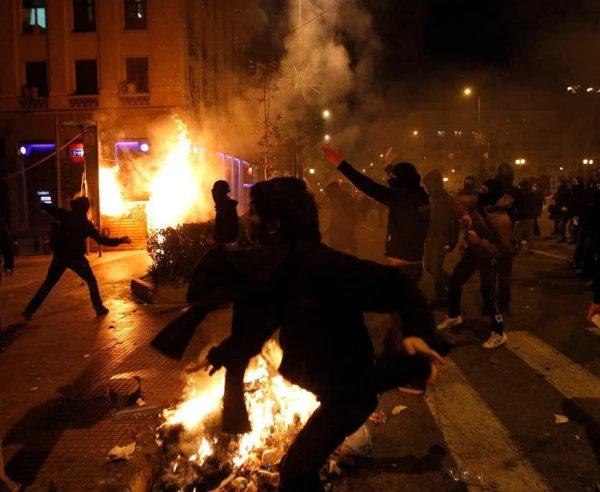
In addition to earthquakes and air disasters, the minister is also considering civil unrest.
According to a government document, such unrest may be caused by "discontent among groups of people, mutual conflict, provocations at mass events."
"Participants in civil unrest feel the crowd effect and, under the influence of herd instinct, engage in actions they normally would not take, as the crowd makes them anonymous."
The unruly individuals may be under the influence of alcohol or other intoxicating substances, "as well as resentment towards the existing economic level, political system, etc."
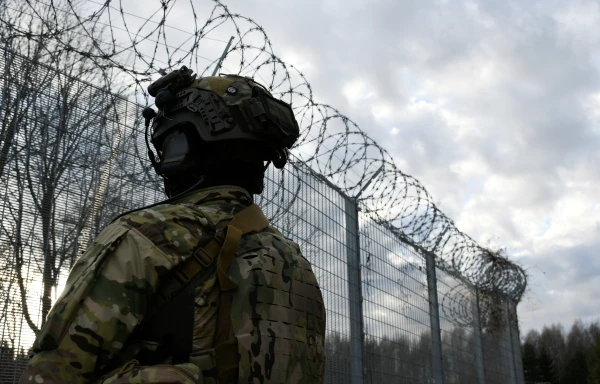
But just 10 years ago, the Cabinet of Ministers in Latvia adopted a special Action Plan in case of civil unrest and internal disturbances. The State Police, the Security Police, the State Fire and Rescue Service, local governments, and other institutions will take all measures to "identify and isolate aggressive participants, disperse mass events."
Particular attention will be paid to protecting lives, health, and cultural values.