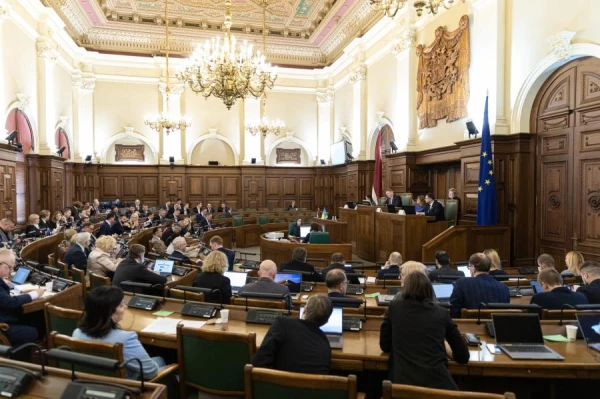
Deputies will also make a decision on the public initiative to increase the amount of refund for overpaid personal income tax.
Hot discussions are expected at tomorrow's plenary session regarding the proposal from the opposition faction "Latvia First" to express no confidence in the Minister of Transport, Aitis Švinkis ("Progressives"). Deputies believe that the head of the ministry is clearly failing in his duties - this includes the inability to control the implementation of the Rail Baltica project and the poor financial state of the national airline airBaltica. Rumor has it that the majority of deputies from the ruling coalition party, the Union of Greens and Farmers, will vote against this opposition proposal, meaning Švinkis will likely retain his position.
Another proposal from "Latvia First," as well as a similar proposal from the National Alliance - to grant Latvians the right to withdraw their savings from the second pension level - is likely to be supported in the first reading (referral to the parliamentary committee), unless the same "Green Farmers" change their minds about voting "for" before tomorrow.
On the agenda of the plenary session is also a request from the opposition to the Minister of Economy regarding state fuel reserves. Deputies from the United List want to know at what price and in what volume this reserve fuel was purchased and when part of the reserves might be released to the market to reduce retail fuel prices.
In turn, the opposition members from "Latvia First" and the United List have prepared a draft resolution for the Saeima instructing the government to urgently develop legislative amendments to reduce the excise tax on fuel and to possibly lower the VAT rate on fuel, as well as to utilize state fuel reserves. The goal of all these measures is to stabilize fuel prices at gas stations.
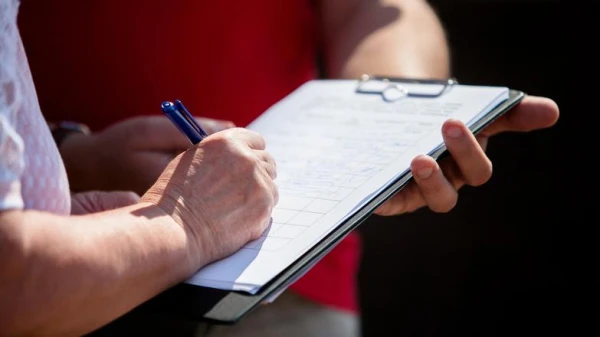
Deputies are expected to agree to refer for further consideration a public initiative to increase the limit on the refund of overpaid personal income tax. Currently, the annual limit is only 600 euros, and the authors of the initiative believe that it should be increased to at least 1,000 euros, taking inflation into account.