
Work continues in parliament on the law for the implementation of the project of the century.
"To understand why Estonians are concerned that by 2030 the Rail Baltica route on the Estonian side may stop near Ainazi, one only needs to look at the different construction paces. In Estonia, active work is currently underway on a section of the railway over 100 kilometers long from Tallinn towards Latvia, and extensive deforestation of the route has also been carried out," reported the TV-3 news service.
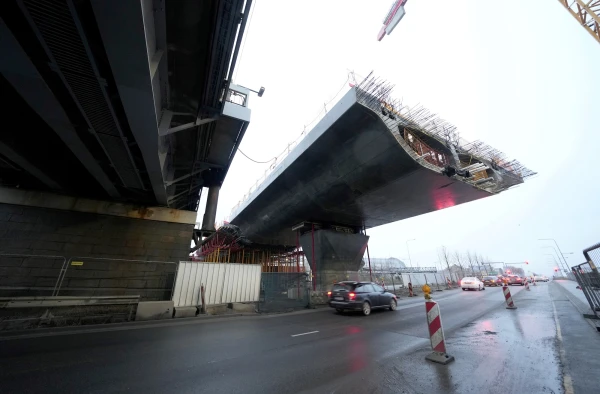
Meanwhile, our pace is half as slow — funding is sufficient for the construction of the main 45-kilometer route, but in reality, work is currently being carried out at an even smaller scale, and only towards Lithuania. No movement has been initiated to the north, and in addition, there is a gigantic obstacle in the middle — the reservoir of the Riga Hydroelectric Power Station.
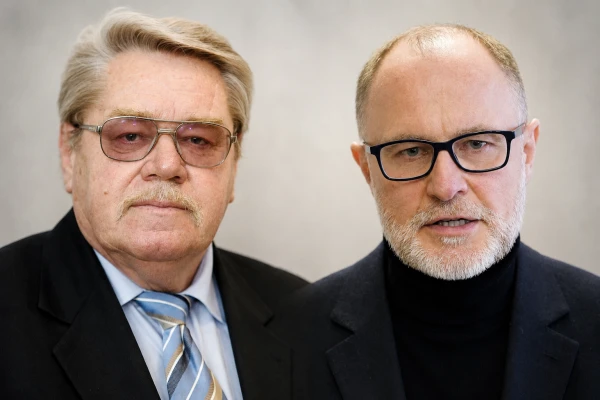
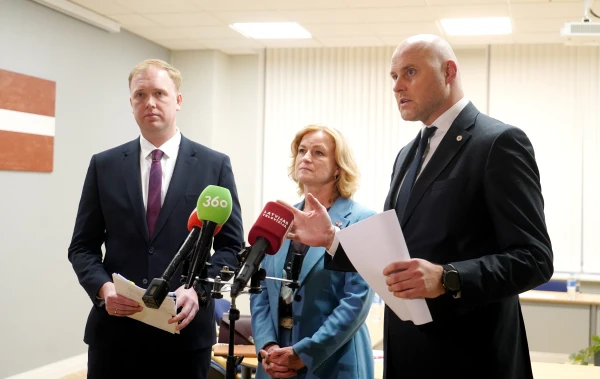
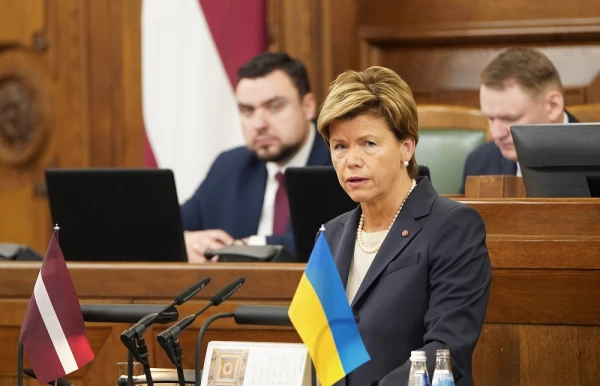
"We haven’t moved a single millimeter on the main route, and this is the HPP bridge. The bridge over the HPP basin on the Daugava. This is the most expensive element, the most complex element, and there are none like it in Estonia or Lithuania. And Estonians are objectively asking about this because the train will not go anywhere if the issue with this bridge is not resolved," reminded Saeima deputy A. Kulbergs at the meeting of the Economic Affairs Committee, where the bill on the implementation of Rail Baltica was discussed.
There are still many uncertainties regarding these bridges — how much they will cost and what solution should be used for this railway crossing. At the same time, the deputies emphasized today: now is not the time for the Baltic neighbors to quarrel.
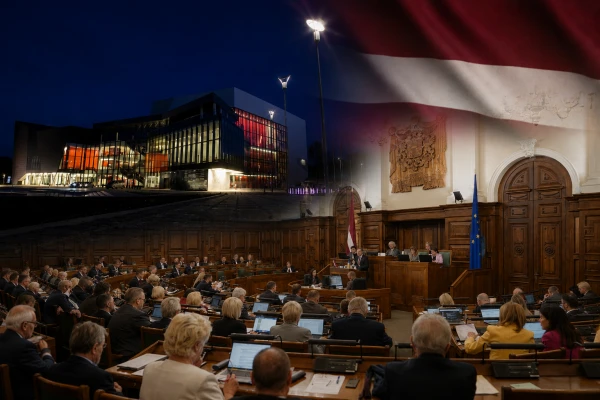
At the same time, TV-3 reports that the deputies of the Economic Affairs Committee of the Saeima today, while continuing to consider amendments to the law "On the Implementation of the Rail Baltica Project," emphasized that for the project to move forward, both the Prime Minister and all ministries must work shoulder to shoulder. These amendments stipulate that in the future, greater responsibility for the implementation of the railway project will be determined by several ministries and the Prime Minister, who must lead this project. This is because currently, all responsibility is placed on the Ministry of Transport, which clearly cannot bear this burden alone.
The committee today agreed to introduce the idea that responsibility for the Rail Baltica project should also be borne by other ministries and the Prime Minister for the first reading. Given the numerous objections, it is expected that many proposals will be submitted for the second reading and discussions on this bill will be lengthy.






Leave a comment