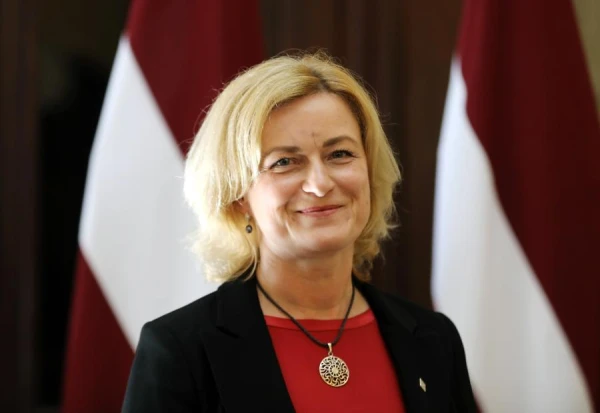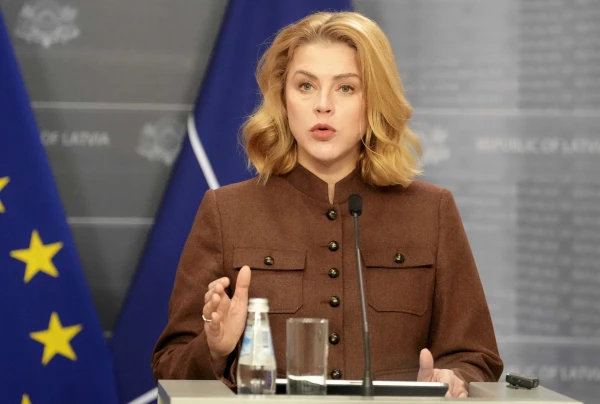
Latvian Prime Minister Evika Silina and Estonian President Alar Karis called for the appointment of a special European envoy to resume contacts with the Kremlin. Europeans signal a new approach to Russia, seeking a voice at the negotiating table between Washington, Kyiv, and Moscow.
The European Union should appoint a special envoy to resume diplomatic channels with Russia as part of ongoing negotiations to end the war in Ukraine, said the Prime Minister of Latvia and the President of Estonia in separate interviews with Euronews.
These comments reflect a rapid shift in Europe's strategic thinking regarding Russia after it was sidelined from direct negotiations in the peace talks led by the United States.
French President Emmanuel Macron stated earlier this week that work on appointing a special envoy has already begun "at a technical level," and this call was also supported by Italian Prime Minister Giorgia Meloni. This idea was first proposed last summer, but most leaders deemed it impractical at that time.
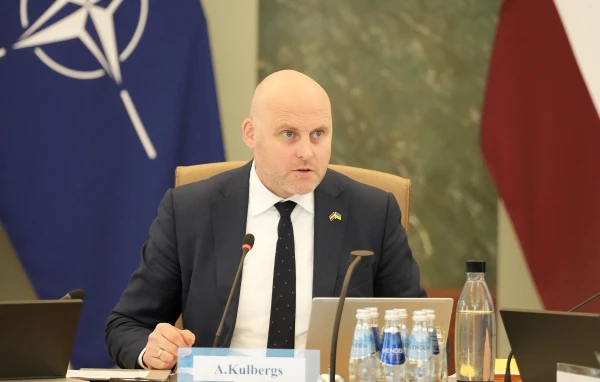
Latvian Prime Minister Evika Silina and Estonian President Alar Karis stated that any communication with Russia should occur after consultations with Ukraine and suggested that the yet-to-be-appointed interlocutor should be a consensus figure.
"I think we need to engage in diplomacy. We always need to talk, but we need to isolate Russia and continue to impose sanctions on it," Silina said in an interview with Euronews on the sidelines of the World Government Summit in Dubai. "We need to be at the negotiating table because the Ukrainians themselves have initiated negotiations. So why shouldn't Europeans negotiate?"
As potential European representatives, Silina mentioned French President Emmanuel Macron, German Chancellor Friedrich Merz, Polish Prime Minister Donald Tusk, and British Prime Minister Keir Starmer. Unlike Macron, Merz is firmly opposed to direct negotiations.
"Yes, we really need an envoy. The question is probably who it will be. And I think we have many options," Silina added. "I am ready to go if needed, but I think that European leaders from Germany or France, as well as the UK, which is a member of the 'Coalition of the Resolute,' should be those at the table along with the Americans, helping Ukraine in these very tough negotiations."
Estonian President Karis did not name names but emphasized that the chosen envoy should be a representative of a major European country and enjoy "authority with both sides."
"The European Union should also be involved in these discussions. Although we are not at war with Russia directly, we have been supporting Ukraine for many years and continue to do so," Karis said in an interview with Euronews at the same event in Dubai.
"We should also have a voice, but as you can see, we are a bit late. We should have started this, perhaps not President Trump, but the European Union, to also begin seeking diplomatic solutions," he continued. "A couple of years ago, we were in a position where we did not talk to aggressors, and now we are experiencing that we are not there (at the table)."
To initiate direct negotiations with Europe, Putin must make concessions, believes Kaja Kallas. Germany opposes direct negotiations with Russia due to Putin's "maximalist demands."
The question of whether to reopen diplomatic channels with Russia, largely closed since February 2022, has increasingly surfaced in recent weeks as the U.S.-led process progresses and security guarantees for Ukraine are being developed.
France, Italy, Austria, Luxembourg, and the Czech Republic have supported the idea of starting direct negotiations to avoid dependence on the White House, which is currently the main interlocutor for Moscow.
Germany, on the other hand, has rejected it, citing Putin's "maximalist demands" and the ongoing shelling of Ukrainian cities in sub-zero winter temperatures as evidence that the Kremlin lacks "genuine readiness for negotiations."
In the case of Estonia, the president, who holds a ceremonial position, seems to contradict the government that defines foreign policy. In a statement to Euronews, the Estonian Ministry of Foreign Affairs warned against resuming relations.
"As long as Russia has not changed its actions and goals in aggression against Ukraine, it is impossible to negotiate with it and it should not be offered an exit from isolation," said a representative of the Estonian Foreign Ministry. "We should not repeat the mistakes we have made over and over again by restoring relations when Russia has not changed its course."
The European Commission, which has to walk a fine line amid sharp disagreements, urged Putin to approach the issue of peace "seriously" before engaging in diplomatic negotiations. In response to a question about the "technical" work announced by Macron, the Commission declined to comment.
Kremlin spokesman Dmitry Peskov confirmed that Russia and France are indeed interacting at a working level, but there is no "noteworthy content," according to him, in these contacts. "There are currently no high-level contacts at all," Peskov stated, commenting on reports from Paris about preparations for technical-level contacts between the presidents of the two countries. "Indeed, at the working level, there are certain contacts, but we cannot declare anything noteworthy in this regard for now.