Lithuania followed Estonia's example and this year allowed residents of the country to withdraw their second-level pension savings early, public media reports.
On one hand, this gives people the opportunity to decide for themselves where to invest their money; however, as the experience of Estonia shows, there is a high probability that these funds will be quickly spent. Experts on pension systems criticize the reforms in both countries.
The program "De facto" tried to find out whether there will be politicians in Latvia who, inspired by the example of neighboring countries, will raise this issue in the year of parliamentary elections. In Estonia, after the pension reform that allowed residents to withdraw funds from the second pension level early, a large volume of money flowed into the economy. In the first wave in the fall of 2021, about 150,000 people withdrew more than 1 billion euros.
"The reality turned out to be that when the opportunity arose to withdraw this money, only a very small part of it was directed to savings. The majority went to consumption and paying off short-term obligations," said Evija Dundure, head of the Insurance and Pension Supervision Department of the Bank of Latvia.
She sees no positives in the Estonian reform: the influx of money into consumption increased inflation, and many low-income people withdrew their already small pension savings.
"The consequences are such that the future pension will be insufficient for the most vulnerable and least well-off part of society," noted Dundure.
Estonian Prime Minister Kristen Michal recently called the reform of the second pension level implemented by the previous government a mistake: "If you want to hear my honest opinion, this is the biggest crime against the future that can be committed."
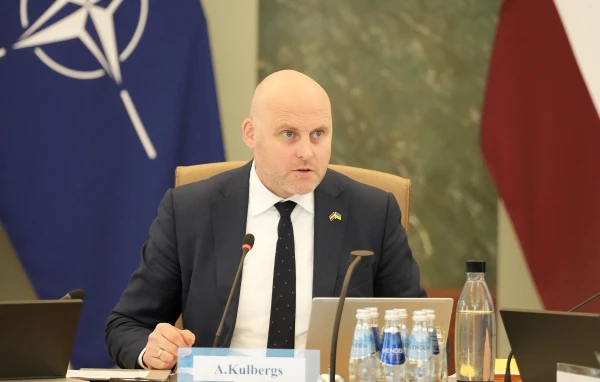
Nevertheless, despite the not-so-successful Estonian experience, Lithuanians have taken the same step starting this year. As Lithuanian Finance Minister Kristupas Vaitekunas stated in December to Latvian television, the residents of Lithuania were dissatisfied with the fact that the second level was mandatory, as well as the return on investments. Now Lithuanians have the opportunity to exit this system within two years and withdraw their contributions.
"Some people will spend this money on healthcare services, education, housing. And that’s good. But there will also be those who spend it on a mobile phone or a vacation, and that’s not so good. But that’s our political choice," said the minister.
In Latvia, more than 10 billion euros have been accumulated in the second pension level. And in an election year, the question arises: will any of the parties be tempted to offer their voters to access their pension savings more quickly?