Today, at the first government meeting of 2026, the Minister of Internal Affairs presents an important document – "Procedure for Determining, Ensuring Continuity of Activities, Implementing Resilience and Security Measures, and Reporting Incidents of Critical Infrastructure." Thus, the security forces gain control over almost the entire economy of the Republic of Latvia.
Do Not Allow Access to Critical Infrastructure!
"Considering the global and regional security environment, NATO's recommendations to its member states," additional special regulations are being introduced in our republic in accordance with the interests of Latvia's national security.
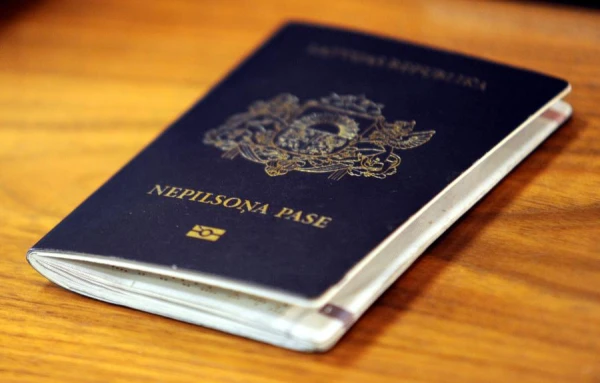
First and foremost, it is necessary to deal with the subjects of aggressor states: "Citizens of Russia or Belarus cannot become owners, rights holders, or true beneficiaries of critical infrastructure or particularly significant infrastructure of European level." However, a ban may also be imposed on our own citizens or non-citizens from working at these enterprises — not only in managerial positions but in any other role — "if negative feedback about these individuals is received from state security institutions."
The range of legal entities to which the aforementioned regulations will apply is quite broad — as it includes those "providing external services." For example, the delivery of drinking water or cleaning services at the airport — and there you go. "Considering that the Rules included in the National Security Law do not specify the exact number of subjects, it is impossible to determine the administrative costs precisely," the Ministry of Internal Affairs states.
In any case, among the areas defined in the document are also quite civilian ones — healthcare and social welfare.
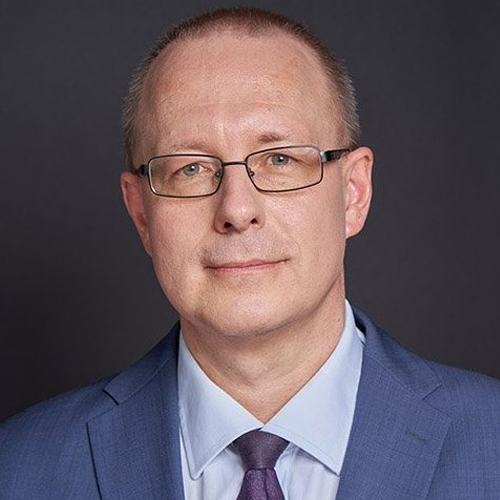
"Strengthening the resilience of critical infrastructure ensures the continuity of the aforementioned important public functions, reduces the risks of irreversible or long-term disruption as a result of incidents affecting essential services for society and other negative impacts on everyday essential services for society," proclaims the document promoted by Minister Rihards Kozlovskis ("New Unity").
Expect a Surprise
It turns out, however, that in Latvia, it will be possible to remove any Russian or Belarusian from business who previously — without any knowledge — did not participate in any strategic activities. Moreover, it is impossible to know in advance and specifically what is included and what is not. After all, as stated in the Ministry of Internal Affairs document: "The list should be used by competent institutions to conduct a risk assessment."
The most amusing thing is that despite all this, they promise "not to create additional administrative burdens for the owners of critical infrastructure." Is it possible that artificial intelligence will now take on the task of removing unwanted foreigners from business?