

The Venice Commission allows that Latvia may withdraw from the Istanbul Convention and that this would not be illegal; however, it emphasizes that this convention plays an important role in reducing violence and that national legislation may not provide sufficient protection against violence. This is stated in the commission's conclusion sent to Minister of Justice Inese Lībiņa-Egnere (New Unity), who requested an assessment of the possible withdrawal of Latvia from the Istanbul Convention, reports LETA.
The commission notes that the beneficiaries of international human rights treaties are the residents of the countries, and the denunciation of such treaties usually leads to a decrease in the level of protection guarantees provided by them.
It is also emphasized that the refusal to adhere to international human rights treaties, including the Istanbul Convention, must occur in accordance with the procedural requirements established both in the treaty itself and in the general legal order. While the withdrawal from the Istanbul Convention is legally permissible, it must be thoroughly justified, comply with the principles of democracy and the rule of law, and consider the potential consequences for the protection of human rights in the specific country.
The commission states that political, ideological, economic, social, cultural, and other considerations may influence a state's decision to withdraw from an international treaty; however, these are insufficient to justify withdrawal from the convention.
In the commission's opinion, the legislative process should be transparent, accountable, inclusive, and democratic. The discussion of a potential withdrawal should involve those groups affected by the convention's provisions.
In conclusion, it is indicated that a system for the protection of human rights operates in the member states of the Council of Europe, which is based on a multi-layered system of international legal obligations with various oversight mechanisms. This is one of the key features of the Council of Europe's work.
In this regard, GREVIO is currently the only independent group of experts monitoring the implementation of mandatory international norms in the area of preventing violence against women and domestic violence. The measures taken by states may complement or even exceed the level of protection provided by the convention but do not, in essence, replace collective international norms.
The Venice Commission emphasizes that the convention is significant in the fight against violence, as it requires systematic oversight, accountability, and evaluation of compliance by the participating states. Such an international control system provides an additional level of accountability and contributes to the unification of standards in international law.
Without international oversight, even strict national legislation may not eliminate structural deficiencies or differences in national legal systems, the report emphasizes. It is also noted that the argument that the EU directive could replace the Istanbul Convention is not a valid legal reason for withdrawing from the convention.
The commission recommends that Latvia not withdraw from the convention.
It was previously reported that the Minister of Justice appealed to the Venice Commission for an expedited opinion regarding Latvia's potential withdrawal from the Istanbul Convention, in order to independently assess the legal consequences of such a step at both the national and international levels, including the impact on Latvia's international obligations and its position in the Council of Europe's human rights protection system.
The minister emphasizes that if the convention is denounced, Latvia will become the only EU member state to unilaterally withdraw from a Council of Europe convention aimed at protecting fundamental rights.
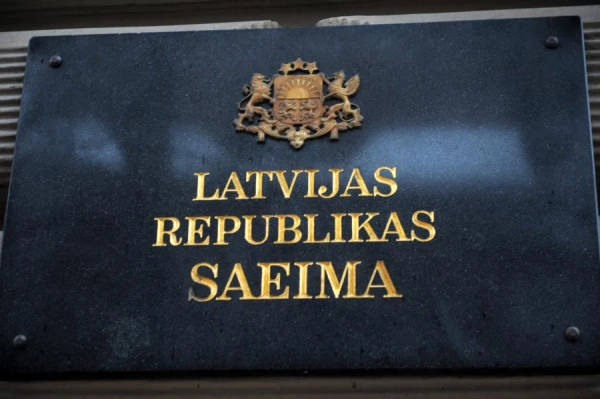
As previously reported, the first protest against the withdrawal from the Istanbul Convention in front of the Saeima gathered about 5,000 people and became one of the largest in recent years. Then, another protest took place in Dome Square, which involved at least 10,000 people.
The protests followed the opposition and the Union of Greens and Farmers' decision to withdraw Latvia from the Istanbul Convention. However, later, most Saeima deputies, at the request of President Edgars Rinkēvičs, decided to postpone the decision on this issue until the end of the current parliament's term.
In Latvia, the Council of Europe Convention on Preventing and Combating Violence Against Women and Domestic Violence, or the so-called Istanbul Convention, came into force on May 1 of last year. This international treaty obliges the participating countries to develop a coordinated policy to protect women from all forms of violence, as well as men and women from domestic violence. Among other things, countries are required to provide comprehensive assistance and protection to victims, establish crisis centers, a 24-hour hotline, specialized support centers for victims of sexual violence, and protect and support children who have witnessed violence.











Leave a comment