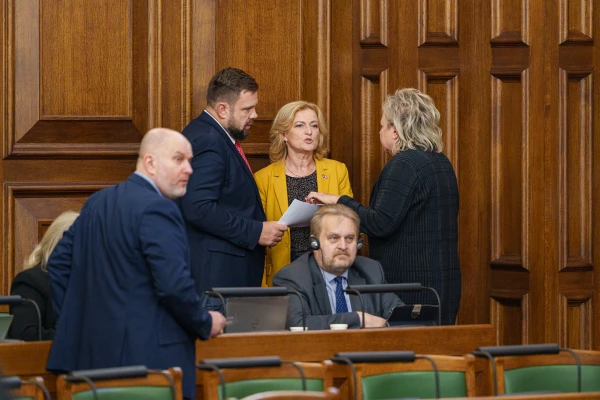
Also on the agenda of the parliamentary plenary session is the promotion of the presidential initiative.
Tomorrow's plenary session will begin, or rather - an attempt will be made to start the session - with the consideration of the "dangerous" bill on pollution.
Let us remind you that a week ago, this document served as the basis for the opposition... to disrupt the quorum. That is, opposition MPs, taking advantage of the absence of several deputies from the ruling coalition, simply removed their electronic voting cards, resulting in less than 50 deputies being registered in the hall. The Speaker of the Saeima had to interrupt the session.
The opposition opposes the adoption of the "pollution" law, believing that the "green course" is detrimental to the country's economy. Meanwhile, the bill has been prepared to comply with EU directives, and failure to adopt the law could lead to huge fines.
Since the bill has been included in the agenda again, the ruling party is confident that this time they will have a quorum.
Also on the agenda is the discussion of the initiative from the opposition United List regarding reducing state funding (subsidies) for parties. The "United" propose that when calculating state subsidies for parties during the period from 2026 to 2030 inclusive, the minimum wage in the country in 2023 should be taken as a basis. It should be noted that the amount of state subsidies is "tied" to the minimum wage on the day of payment - the higher it is in the country, the greater the amount of subsidies due to the parties that received at least 2% of the votes in the last parliamentary elections. According to the authors of the bill, the adoption of their amendment will save the budget 1.6 million euros annually.
In turn, deputies from the ruling "New Unity" propose to hold criminal liability and even imprison those who distribute intimate photos or videos without consent.
The Saeima is expected to adopt in the second reading a modified presidential initiative tomorrow. Specifically, it is proposed that henceforth the candidacy of the ombudsman (state human rights defender) can be nominated not only by the deputies of the Saeima but also by the president.