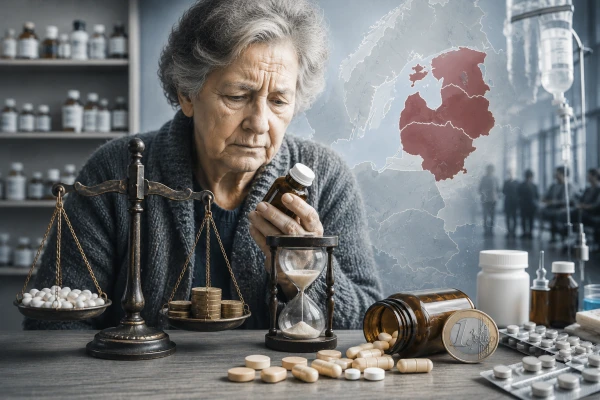
The State Medicines Agency (SMA) is dissatisfied with the excessive use of over-the-counter medications in Latvia.
Announce the Full List
The most in-demand over-the-counter medications by the number of packages sold in 2025 were painkillers/anti-inflammatory drugs based on ibuprofen.
The second most popular were medications based on xylometazoline (a local vasoconstrictor that quickly reduces swelling and relieves nasal congestion; it is included in many nasal drops and sprays).
The third place belongs to omeprazole – a medication used to treat heartburn and other gastrointestinal issues, including, by the way, to protect the stomach when taking strong painkillers.
Doctor Yourself
When it comes to numbers, the picture looks like this: in 2021 – that is, during the period when the population was somewhat recovering from COVID-19 – the residents of the country purchased 18.05 million packages of over-the-counter medications. In 2024, this figure reached 18.5 million, and in 2025 - over 18.6 million. So, over four years, there was an increase of half a million packages!
A survey conducted by the Medicines Agency in 2025 confirmed the obvious: self-medication among the residents of Latvia is still widespread. In particular, 82% of respondents admitted that they had taken over-the-counter medications in the past year, while 47% choose medications independently, without consulting a doctor or pharmacist at all.
Haven't They Tried to Lower Treatment Costs?
But let's look at the problem as a whole – that is, not just as a fact that residents are abusing over-the-counter medications, but WHAT exactly contributes to this? Here, mere education will not help. Because there are much more significant factors behind this, which our healthcare sector has been unable to tackle for decades.
One of the main issues is the poor accessibility of medical services: many residents (especially in rural areas) cannot quickly see even a family doctor when needed, let alone specialized doctors, for whom one can wait for months.
Furthermore, consultations, examinations, and procedures are all associated with expenses, and not small ones. Of course, if a patient can afford paid services, their chances of receiving timely qualified help increase. But let's be realistic: the average resident of Latvia is not characterized by wealth.
For people with average, and especially low incomes, a trip to the pharmacy often turns out to be cheaper and quicker than full treatment with a doctor. Complications from incorrect treatment, late diagnosis of dangerous diseases, side effects from medications – this is far from a complete list of the troubles from self-medication, often forced.
Persuasion from Pain Will Not Help
Undoubtedly, a significant role is also played by the entrenched culture of "home treatment," where a person tries to cope with health problems – at least in the early stages – independently, without the involvement of a doctor. In the best case, they go to the pharmacy and consult with a pharmacist; in the worst case, they rely on personal experience and/or recommendations from relatives and acquaintances, who say, "this medication helped me a lot."
It is no secret that many people have home medicine cabinets filled with numerous medications that are used, to put it mildly, not always appropriately. The state agency is trying to dissuade the population from the incorrect use of medications, but as long as issues such as poor accessibility and high costs of medical services are not resolved, mere education will not solve the problem.
Especially when pain is tormenting, when the quality of everyday life is seriously suffering, and when the only way to at least temporarily relieve the suffering is to resort to that very over-the-counter pill...
This Should Not Be Done
The Most Common Mistakes in the Use of Over-the-Counter Medications:
-
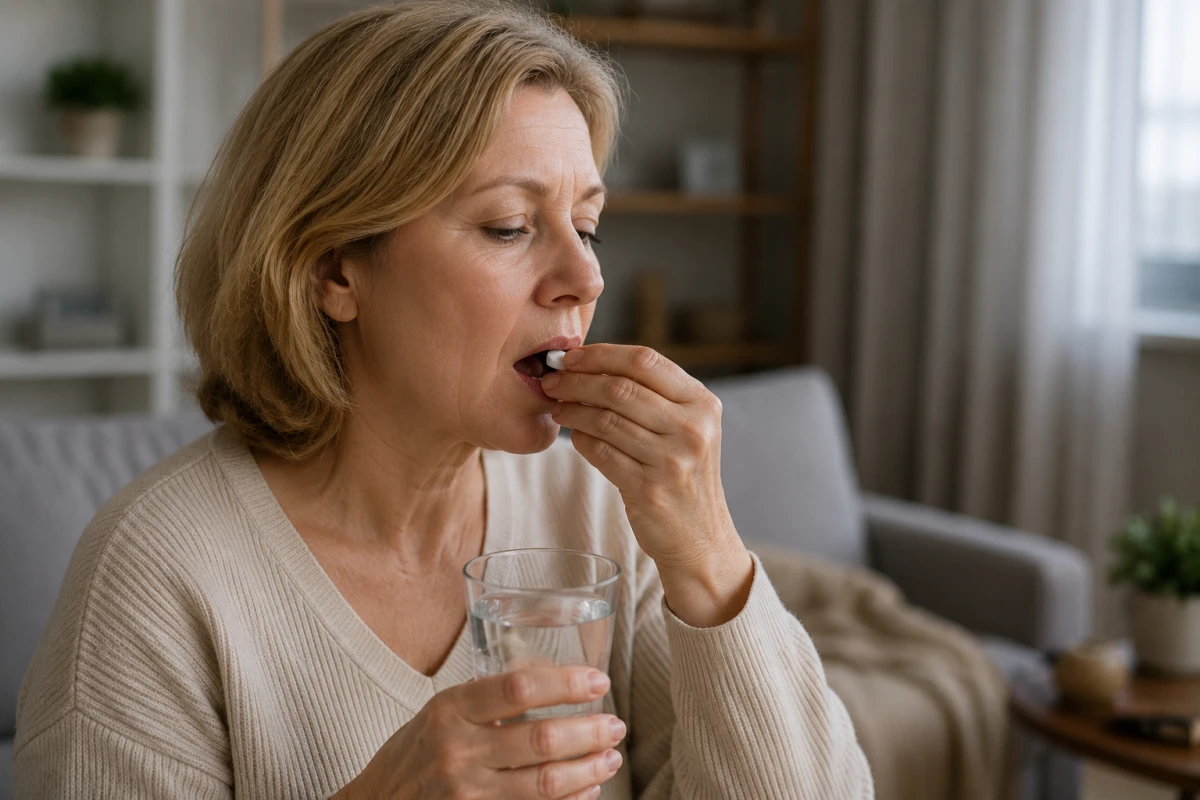
Exceeding the dosage. Example (a common mistake during a cold): a person takes one medication "for the flu," a second – to reduce fever, and a third – for a cough, not noticing that all these remedies contain the same active ingredient, the overdose of which can lead to severe damage to internal organs.
-
Ignoring information related to contraindications and interactions of various medications; this is especially dangerous for those who suffer from chronic diseases and take medications related to these diseases.
-
Not adhering to the course (the medication is taken either for too long, or the person stops taking it as soon as they feel a little better).
-
Taking it alongside alcohol consumption.
-
Using a medication "on the advice of acquaintances": what helped one person may be contraindicated for another.
-
Not adhering to food intake guidelines, as some medications must be taken strictly after meals; others – on an empty stomach, and others – with a large amount of water, etc.