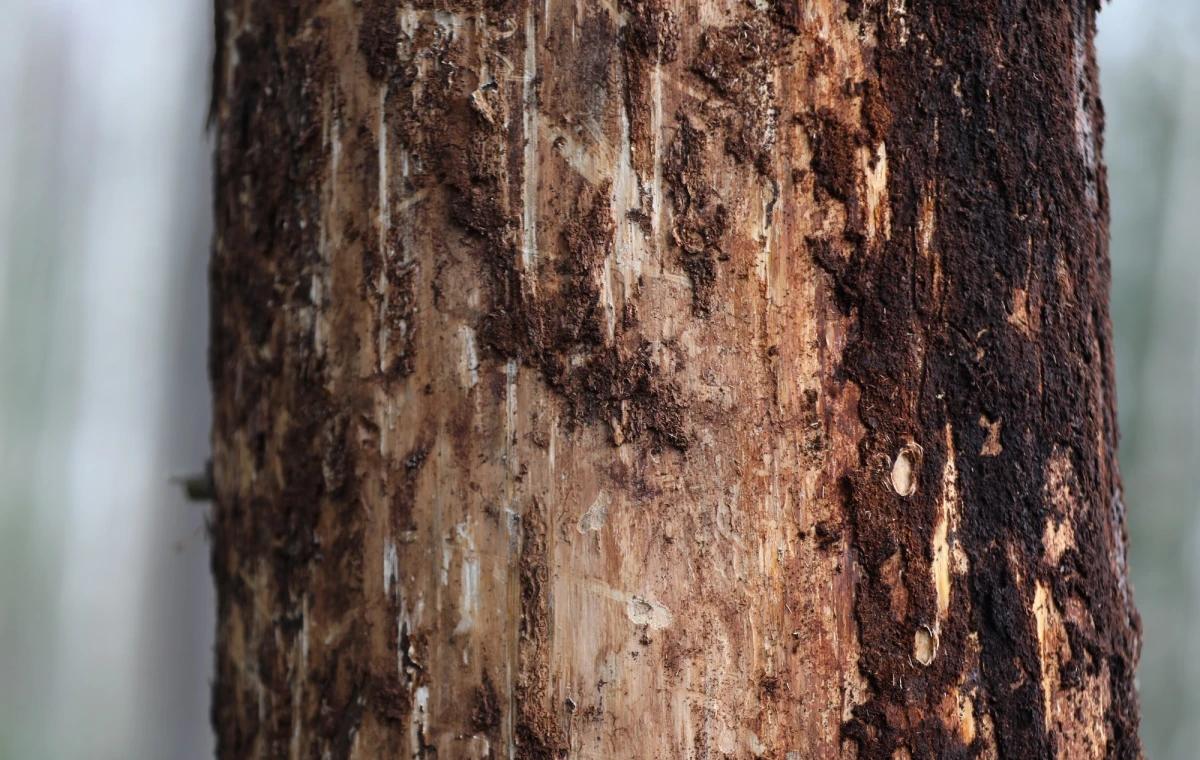
Despite the overall reduction in threat, several regions of Latvia still face a high risk of mass spread of the eight-toothed bark beetle. Specialists warn that under favorable conditions, the pest can quickly destroy weakened spruce plantations.
The State Forest Service of Latvia warns that in certain regions of the country, there remains a high risk of damage to spruce forests from the eight-toothed bark beetle. The situation is particularly challenging in the Balvi, Jekabpils, Gulbene, Cesis, Livani, and Aizkraukle regions.
The assessment is based on data from pest and disease monitoring conducted in 2025 by the Silava Institute of Forest Sciences, as well as expert opinions.
Although the overall risk of pest spread in Latvia has decreased, specialists do not rule out new local outbreaks. Moreover, in 2026, the situation of mass reproduction of the bark beetle may be officially declared in certain areas, leading to the introduction of special protection zones and restrictions on economic activities. According to scientists, this season, the emergence of the first generation of the bark beetle has been delayed by about a month compared to last year. A more accurate assessment of the threat will be possible after analyzing insect activity in the coming months.
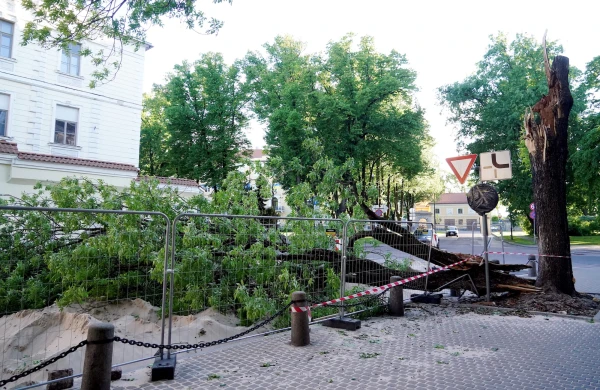
The eight-toothed bark beetle reproduces particularly actively in damaged or weakened forests. The main risk factors include windfalls, snowfalls, drought, excessive moisture, as well as leftover wood and logging residues left in the forest.
Freshly cut or damaged spruces emit a terpene scent that attracts the pest. The beetle is most active in warm and dry weather—usually from April to the end of August. Its average flight range is 50–100 meters, although some individuals can travel several kilometers.
The pest most often attacks spruce plantations older than 40 years; however, during mass outbreaks, it can also damage younger trees.
The Forest Service recommends that forest owners regularly inspect their areas after storms and sanitary logging, promptly remove wood, and plan economic activities in spruce plantations with particular caution during warm weather. If infected trees are discovered in time, they should be removed from the forest as quickly as possible. In some cases, in the event of severe pest spread, a sanitary clear-cut may be required.
Experts emphasize that climate change, warmer winters, and prolonged dry periods create increasingly favorable conditions for the bark beetle, making the problem potentially more serious in the coming years.
The situation indicates that the threat from the bark beetle remains one of the main environmental issues for Latvian spruce forests in recent years.