
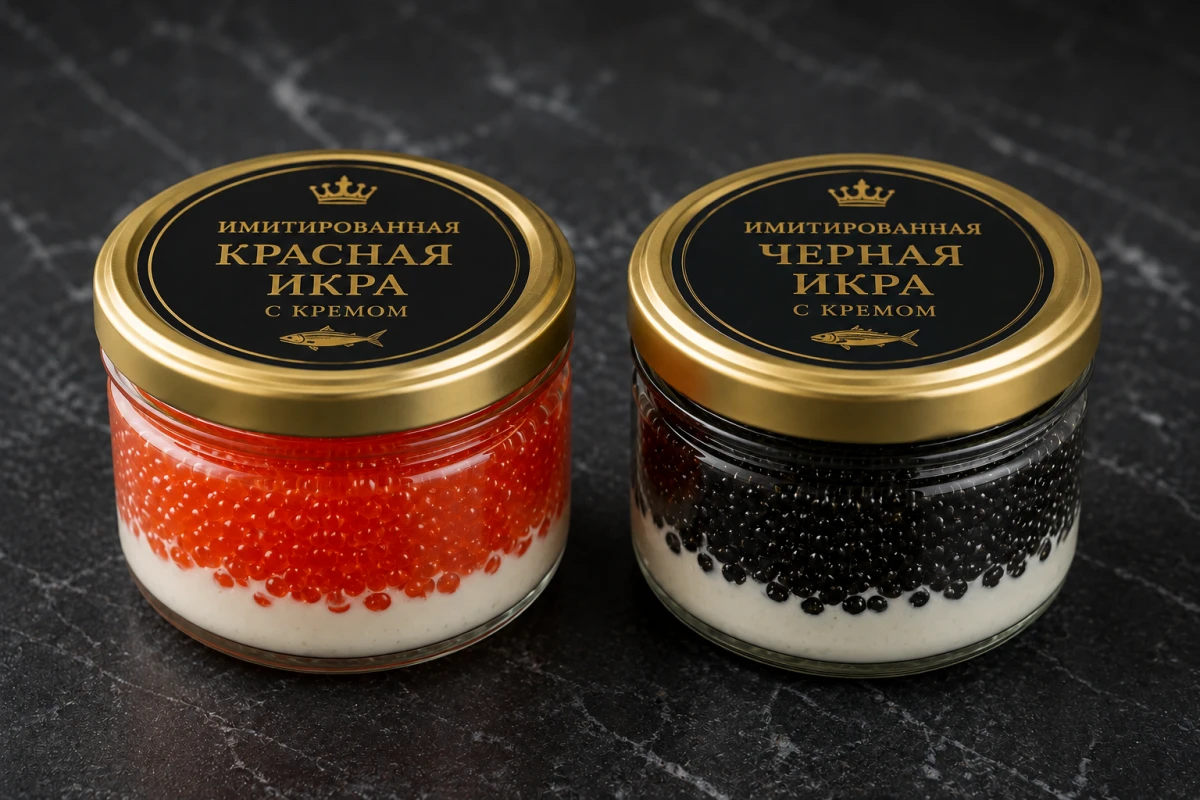
I read an interesting message on the homepage of the Food and Veterinary Service: "During border control, the Food and Veterinary Service established that Ukrainian-origin products 'Imitation Black Caviar with Cream' and 'Imitation Red Caviar with Cream' contain food additives banned in the European Union – preservatives E 211 (sodium benzoate) and E 202 (potassium sorbate). The products will be sent for destruction."
In other words, the shipment was sent for destruction due to two preservatives that are very popular and often found not only in imported but also in Latvian products. How is it possible that sodium benzoate is permissible in some products but not in others? Why, if these preservatives are banned, are other products containing E 211 and/or E 202 freely available for sale? Reader of the portal bb.lv
Answers Ilze Meistere, Head of the Public Relations Department of the Food and Veterinary Service:
– Food additives permitted in the European Union are included in Regulation (EC) No 1333/2008 of the European Parliament and of the Council (of December 16, 2008) on food additives. This regulation establishes, among other things, the maximum allowable limits for the use of food additives in specific products. The responsibility for ensuring compliance with all requirements for the use of food additives, including those outlined in Regulation No 1333/2008, during the production process lies with the food producer.
The fact that the use of the mentioned food additives in the production of a specific product is prohibited does not, in itself, mean that they cannot be used in the production of other products.
Preservatives E 211 (sodium benzoate) and E 202 (potassium sorbate) are indeed widely used in the production of various food products – for example, they are commonly used in the meat and fish industries.
However, despite this, according to regulatory requirements, there are food products in which – considering the specifics of processing and raw materials – the use of these food additives is not allowed. And if a product is imported into European Union countries, it must be produced in full compliance with the requirements applicable in the EU.












Leave a comment