A sharp discussion has erupted in Latvia about the events of the late 1980s and 1990s. Part of society remembers this period as a time of tension, street conflicts, and interethnic hostility, while others consider such assessments an exaggeration or politically motivated and claim attempts to distort historical memory and divide society, writes Otkrito.
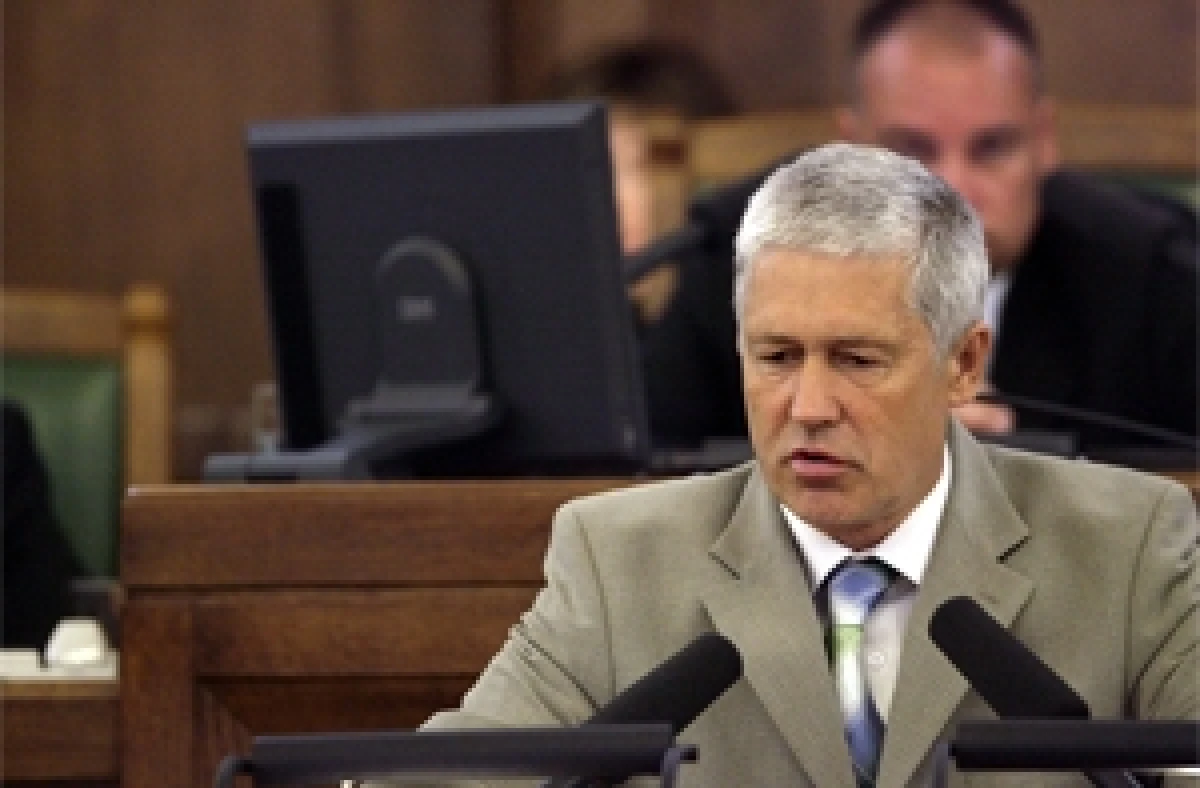
The discussion was prompted by the words of former deputy Dzintars Abikis, who previously stated in an interview with Jauns.lv that the restoration of Latvia's independence took place in an atmosphere of serious social tension, demographic crisis, and domestic devastation, and also mentioned cases of open hostility and conflicts in society.
He provides examples from the past as a reminder of how severe the consequences of occupation were in Latvia. And for this reason, in his opinion, what Latvia has achieved since then can be considered a real miracle. Abikis recalled a bus trip to Bolderāja, where at all stops there were inscriptions directed against Latvians, such as: "To kill a Latvian is like planting a tree. Let's green Riga!"
The deputy says that this aggression manifested itself in direct physical threats. For example, when Abikis worked as a teacher at the 1st Secondary School, after school events, the police had to be called regularly so that students could safely get home, because hostile groups were waiting outside with sticks.
The reaction of society to such statements turned out to be extremely ambiguous.
In the comments under the video, which gathered more than 450 responses, opinions were divided into several camps - from total agreement to sharp denial and accusations of lying and inciting hatred.
For example, Aigars Aboliņš writes: "I am ashamed to listen to this! How can one humiliate and defame their country and capital like this! I want to ask: if such inscriptions really existed and Latvian children were waiting with sticks, then why did you, 'esteemed', not fear to ride your bike?"
Ilya Pavarnieks notes: "The school graduation waltz has long been danced. Yes, it was during the time of occupation. A full hall of people, no room for an apple to fall, no security, no police. Once the cashier said: today there are few people at the ball (in the village club), only 300 tickets sold, and participants of the amateur performance do not need to buy a ticket. Now freedom is given, but only dozens of people come to any event and security is necessary. It seems we lived in different 'occupations'."
Marite Kondriča: "This person is completely... (further obscenely, - ed.). I lived at that time myself, but I never saw or heard anything like that. There were many lazy people who did not want to work or only took odd jobs. There were more drunks than today. If you 'spoiled your health' a little - you could lie in the hospital to rest. Complained - and could live like that for months: they would feed you, take care of you. And then everything could be repeated..."
Some users claim to remember well the atmosphere of the late USSR and consider Abikis's words truthful.
One comment reads: "Russian fans of cheap sausage, apartments, and ice cream do not like this, but for people like me, who experienced the Soviet times and heard 'Hans' directed at them since childhood, it remains to agree 100%."
Others recall school fights and interethnic tension: "Two schools - Russian and Latvian. No event went without a fight. Once even a special unit came fully equipped."
Another user notes: "Yes, the times were quite scary. It was dangerous to be outside in the evenings. And everything is true - both about gangs and about attacks based on nationality."
Some commentators clarify that the situation was calmer in small towns, but conflicts did indeed occur in Riga: "I can agree about Riga. In small towns, the situation was not that dramatic."
Personal stories also emerge: "My cousin was beaten by Russians with their feet because of a ribbon on his collar. There were eight of them against one."
Laura Ozoliņa described her memories in the comments: "It’s hard to believe, but it was so. There were two shifts in schools due to the large number of students, and if Atmoda had been delayed, Latvian schools would have switched to Russian. Just like now in Russia, children are being prepared for war, we marched in schools: 'Who goes there? Pioneers are coming, like soldiers.' We only lacked cardboard guns."
This is a lie and incitement of hatred
Another part of the users categorically disagrees with such statements.
"How can one lie like this! I lived at that time and never saw or heard anything like that."
"I constantly went to Bolderāja - I never saw any such inscriptions."
"It seems we lived in different Latvias."
"Another inciter of hatred."
Some believe that the politician exaggerates past events for political purposes: "Before every election, old politicians are pulled out of the closets again, and the Russians and the occupation are to blame once more."
There is also an opinion that interethnic conflicts were ordinary teenage fights rather than manifestations of ethnic hatred: "Schools fought with each other - we with them, they with us. But both sides were to blame for this."