The Riga City Council has launched an information campaign on actions in the event of drone threats and air alerts. At the same time, the municipality acknowledges that even after implementing current plans, there will be enough space in municipal shelters for only a small portion of the capital's residents.
Against the backdrop of increasing drone incidents in the Baltic countries and growing security concerns, the Riga City Council has presented action algorithms for residents in case of an air alert. At the same time, an information campaign titled "Get Ready! Today." is being launched in the capital, urging Riga residents to think in advance about where they can take shelter in case of a threat, writes nra.lv.
The main problem is the scale of the shelter system itself.
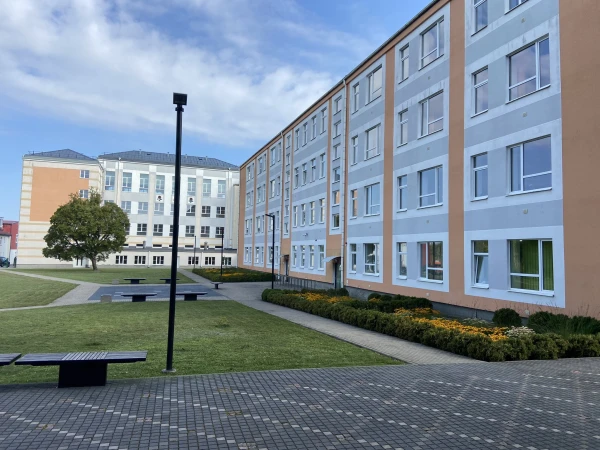
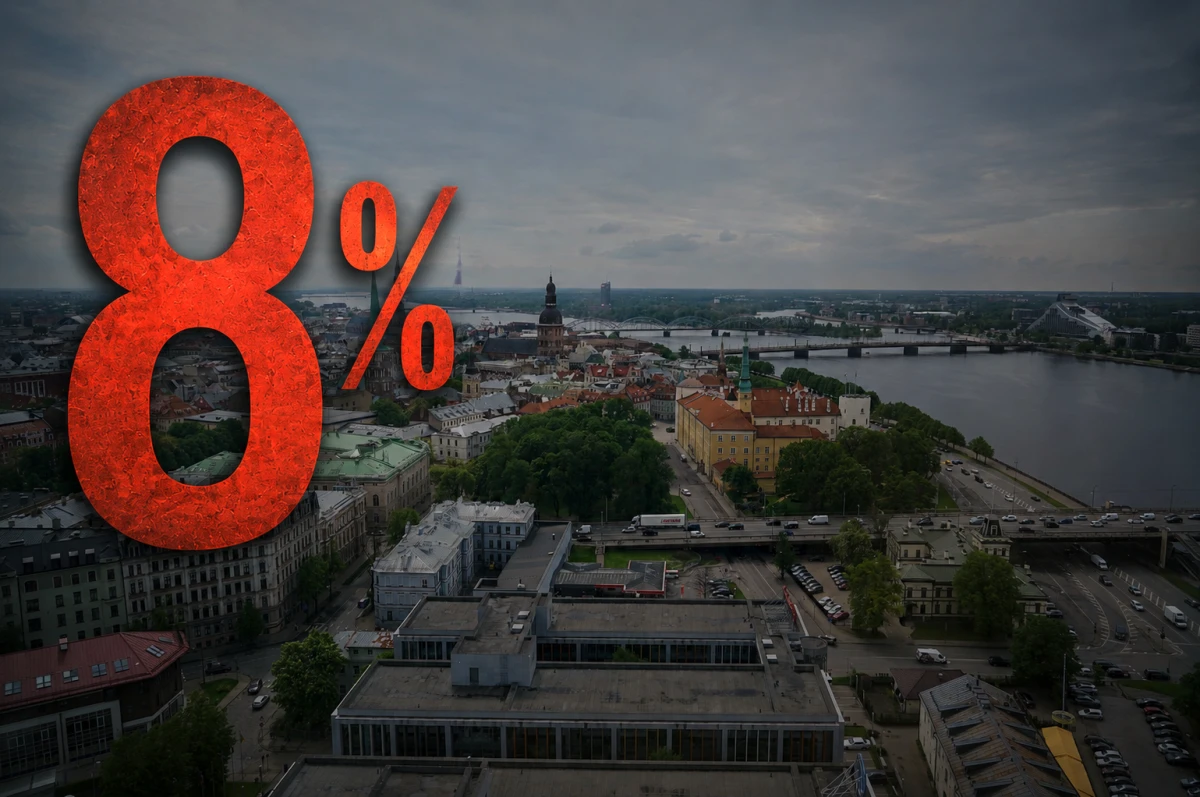
Currently, the Riga City Council plans to create 146 shelters in municipal buildings, which can accommodate more than 50,000 people. However, according to the Central Statistical Bureau, at the beginning of 2025, nearly 595,000 residents were registered in Riga. This means that there will be enough space for only about 8% of the city's population.
In fact, the remaining residents are advised by the municipality to independently look for the safest places near their homes or workplaces.
"First of all, one should start with oneself and choose the nearest safe places for shelter near home and work," said Girts Lapins, chairman of the Riga City Council's Security Committee.
According to him, Riga based its recommendations on the experience of Ukrainian cities.
"Safety is not a coincidence, and preparation can save lives," he emphasized.
The municipality acknowledges that until recently, many residents perceived the war in Ukraine as something distant, but the situation is changing.
The developed algorithms are divided into three stages: preparation in advance, actions after a warning, and actions in the event of an immediate threat. Residents are advised to prepare an emergency backpack with water, medications, documents, cash, a power bank, and a flashlight.
If a message from the cellular alert system is received, the municipality recommends not leaving buildings, staying away from windows, and not using elevators.
In the event of the sound of an approaching drone, people are advised to seek the most protected place and adhere to the "two walls principle" — to be at least behind two solid barriers from the outer side of the building.
Separate instructions have also been prepared for schools. For example, if the threat is not lifted by six in the morning, children should not be taken to schools, clubs, and camps. During an alert, students are planned to be placed in safe rooms until the danger passes.
The first equipped shelters in Riga are planned to be opened by the end of summer, and about 40% of the projects are promised to be completed by the end of the year. The remaining facilities are expected to be adapted over the next year.
At the same time, the agreement on European funding for the program was signed only last week, so construction procurements for creating shelters are effectively just beginning now.
The Riga City Council also reminds that the shelter map on the municipality's website differs from the map on the 112 platform: the city shows only municipal facilities, while the state map includes all available shelters.
The situation shows that even with accelerated preparations, Riga currently does not have a shelter system capable of accommodating a large portion of the capital's residents in the event of a large-scale threat.