The boom of initial accumulation, the era of "buy and sell" has remained in the irretrievable past for Latvia. Transnational marketplaces, allowing consumers to shop on their phones without leaving their sofas, are destroying traditional retail.
No One Wanted to Buy: More Than Half of Stores in Latvia Operate at a Loss
In hopes of saving at least something, the authorities are turning to unconventional methods.
Let's Return to Flower Stalls
The Cabinet of Ministers under our "Elon Musk" – hereditary car dealer Andris Kulbergs is still being formed, and a prominent place in it will surely be occupied by the current acting Minister of Economy Viktors Valainis (Union of Greens and Farmers). It is unknown whether he will retain his current position, which implies control over the trade sector, but recently the meeting of state secretaries again discussed the Action Plan to Support the Trade Sector.
They have everything they need: as is known, political figures come and go – while professional officials remain.
Meanwhile, there is indeed much to worry about: over the past three years, since 2021, the real turnover in Latvia's trade has decreased by 7%, while the nominal turnover, due to inflation, has increased by almost 27%.
According to the Central Statistical Bureau, from 2020 to 2024, the number of retail food trade locations has decreased by 11%. At the same time, 88% of the total number of these enterprises are still small, with up to 10 employees, operating in small towns and rural areas of the republic.
In 2024, 51.1% of trade enterprises in Latvia's regions operated at a loss. According to LURSOFT, by 2025, one in four provincial traders had tax debts.
The Ministry of Economy sees a way out in an electronic permit system for traders wishing to participate in fairs and display goods on the street. However, it is proposed to do this "with an emphasis on domestic agricultural products, as well as wild berries, mushrooms, and flowers." Thus, "new forms of commercial activity and innovations that significantly change business practices may emerge."
Indeed, it was precisely on flowers that future Latvian oligarchs began to accumulate their fortunes half a century ago!
Up to 250,000 Euros a Year – Without a Cash Register
Such a net turnover norm, allowing small businesses to operate, is proposed for consideration by the Ministry of Economy. This is already a serious proposal.
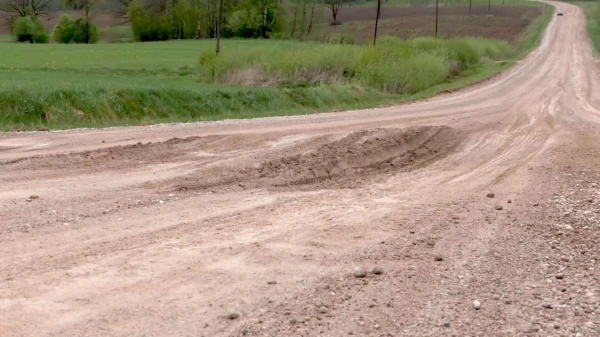
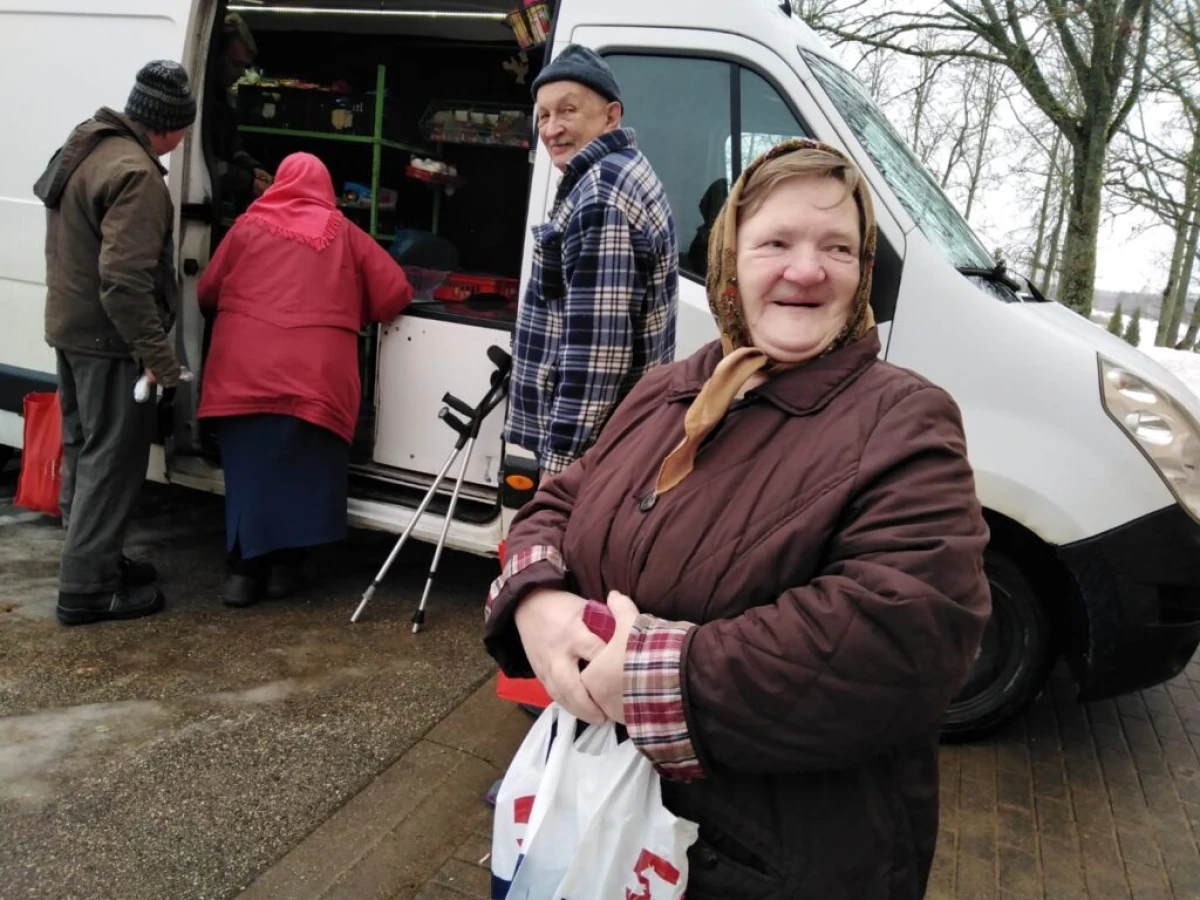
"Another way to ensure access to food for residents of sparsely populated areas is mobile shops. It is necessary to assess the possibility of providing tax or customs benefits to mobile shops selling everyday goods in sparsely populated areas (for example, reducing road tax, vignette, etc.), while also providing, if necessary, separate trading conditions.