The portal Pietiek.com publishes an explanation from a witness of the war in Ukraine for ministers, politicians, and officials of the Ministry of Defense about what is actually happening in the airspace of Latgale.
When incidents occur with drones flying into Latvian territory, it is surprising that the leadership of the Ministry of Defense and ministers have not once properly explained to the public what is happening, even though the situation is quite simple, understandable, and even has a positive meaning, believes Imants Liepiņš.
Since there is a clear lack of information from high-ranking officials, below is an explanation from a witness of the war in Ukraine. It is advisable to forward and disseminate this text as widely as possible so that people finally understand what is happening with the drones, airspace violations, possible threats, and warnings through the emergency messaging system.
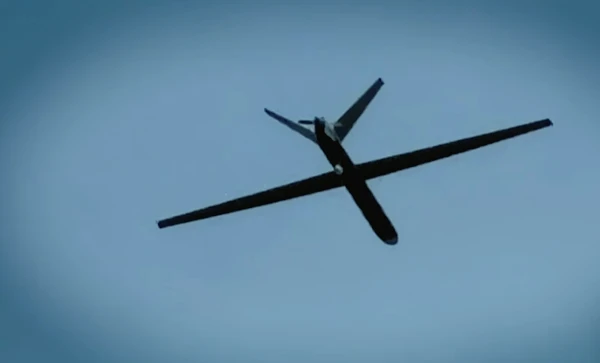
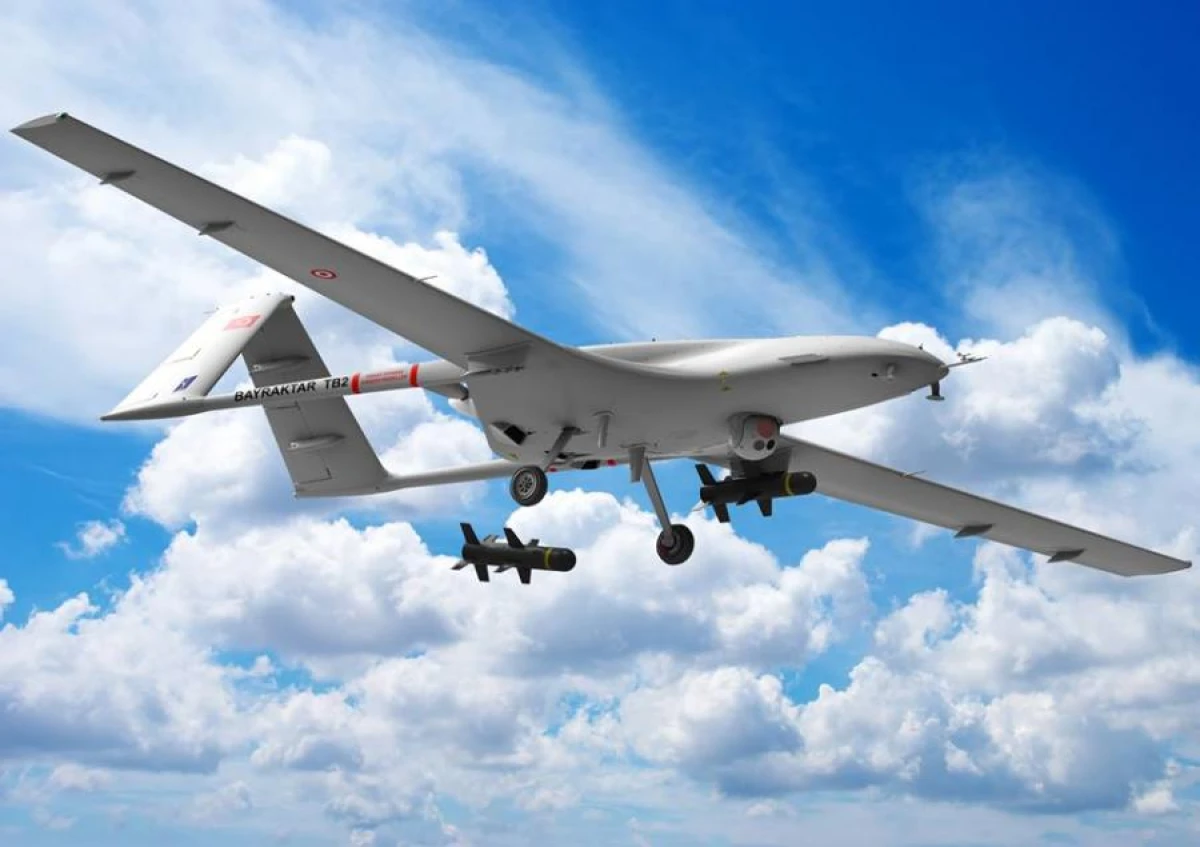
So far, it is clear that at least some Latvian military personnel understand what is happening because the official statements from the army usually use the correct term - "unmanned aerial vehicles". The difference is that a drone has an operator, while a UAV flies autonomously, without a pilot, and it is precisely such devices that are flying into Latvia.
For four years now, Russians have been launching rockets, glide bombs, drones, and UAVs at Ukrainian cities every night. Ukrainians are capable of shooting down most of them, but not all. Iranian "Shaheds," the most common Russian version of which is "Geran-2," are being attempted to be shot down or at least diverted using their own electronic warfare (EW) systems. If such a "flying moped" loses its target, it can fly into the territory of other countries. The most famous example is the Russian drone that fell last year near Gaiagalava after flying through Belarus when it ran out of fuel. In response to Russian aggression, Ukraine has developed its own missiles, drones, and UAVs. Currently, the largest manufacturer is the company "FirePoint," whose UAVs are sent almost every night to destroy Russian oil refineries and port infrastructure. The specific UAVs that launch from the Chernihiv region and the northern part of the Sumy region towards St. Petersburg usually fly along the borders of Belarus, Latvia, and Estonia. To stop them - most often unsuccessfully - the Russians try to divert them using their EW systems and also jam GPS signals on their territory. This week, Western media reported that the Russians are deliberately trying to divert Ukrainian drones to the left so that they intentionally fly into the airspace of Latvia or Estonia. When such a disoriented Ukrainian UAV flies into the airspace of Latvia, where GPS is not jammed, it almost always restores its coordinates, understands its location, turns back towards the Leningrad region, and continues its flight to its actual target. That is why warnings are first issued in the Kraslava and Ludza districts, then in the Balvi district, and after a few hours are canceled, with news in the morning stating that "as a result of a Ukrainian strike, another Russian oil depot and three terminals in Ust-Luga have been destroyed." The Latvian army and NATO allies understand well that these UAVs enter the Baltic airspace only because Russia is trying to counter them and is deliberately directing them our way. While Ukrainian drones over the territory of the Baltics are only turning around, restoring orientation, and continuing their flight to the target, there is no reason to shoot them down. Similarly, no one would shoot down, for example, a Ukrainian military transport aircraft An-125 "Ruslan" if it accidentally flew into Latvian airspace with a cargo of weapons on its way from northern Sweden to the Rzeszów airfield in Poland, avoiding a threat from the Kaliningrad region. Drones or UAVs that fly into Latvia should only be immediately destroyed in two cases: if they are of Russian origin or if they have lost their course so much that they begin to dangerously approach objects on Latvian territory. In all other cases - let them continue to carry out their combat tasks on the territory of the Russian Federation. Given how simple this situation is and how elementary it can be explained, one can only wonder again why the highest political and bureaucratic officials of the state do not even try to speak openly and clearly about this with the public. After all, we would not want to and could not allow that these officials only now, after reading this article from a witness of the war in Ukraine, have understood for the first time what is happening in our airspace, right?