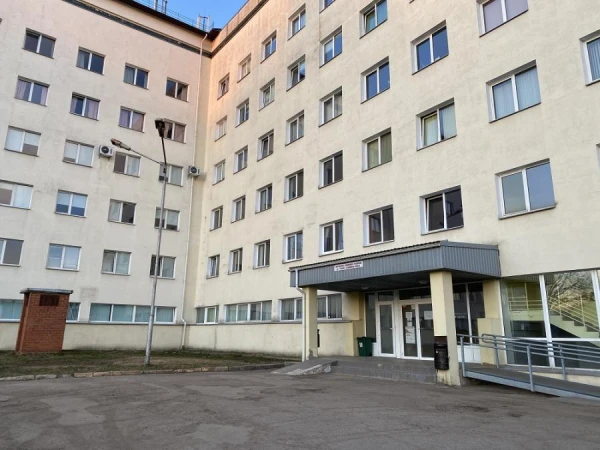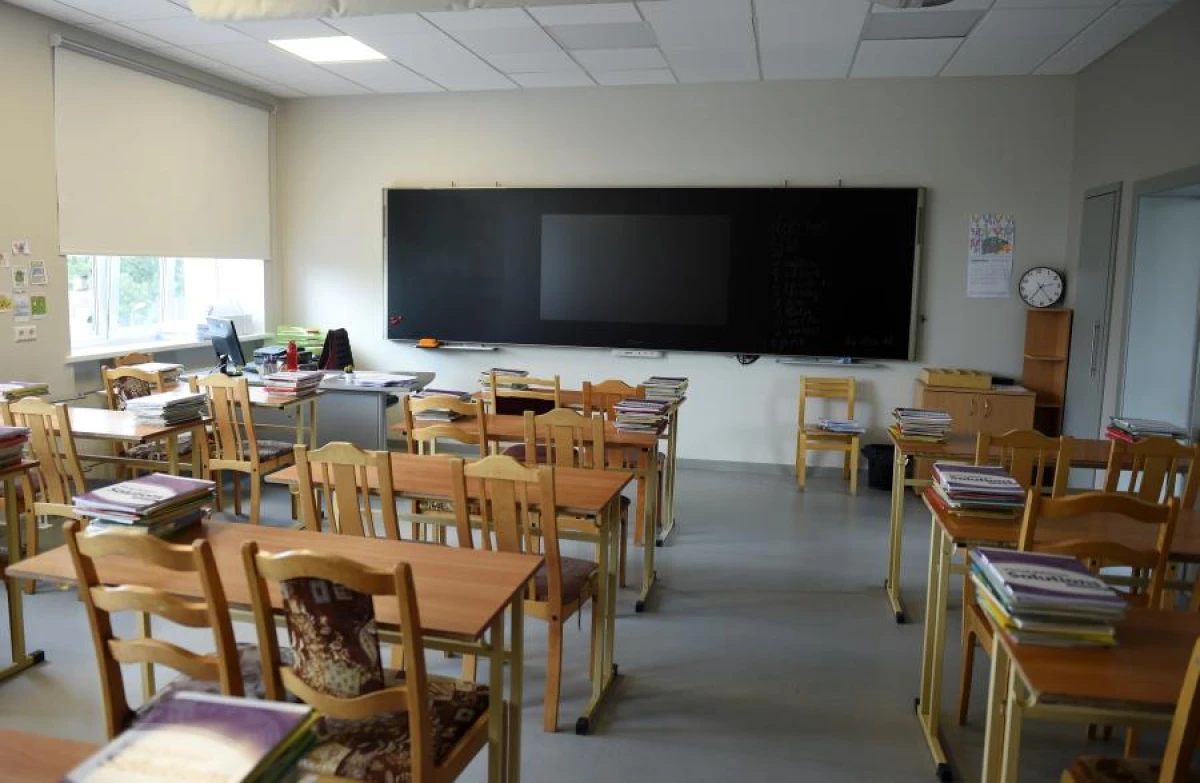
In the event of an aerial threat, people, visitors, or students should not automatically be evacuated from public buildings, the Crisis Management Center stated.
In such a situation, the main thing is not to go outside, but to find a safer place inside the building as quickly as possible. It is also important to follow the principle of two walls – that is, to be in a place where a person is separated from the outside of the building by at least two walls. Additionally, it is necessary to close windows and doors, stay away from windows, glazed surfaces, and exterior walls, and follow the instructions of the responsible services.
"Actions in case of an aerial threat differ from those for evacuation from the building. There is no need to leave the building unless there is a specific instruction from the responsible services or there is an immediate threat within the building, such as a fire, structural damage, risk of explosion, or other circumstances that make staying in the building no longer safe," emphasized the center.
Critical infrastructure facilities and providers of essential services also continue to operate in the event of an aerial threat, exercising caution and adapting their actions to the specific situation.
Recommendations for actions in case of an aerial threat are currently being developed. They are expected to be published soon and may be updated as risks change or additional information becomes available.