
Starting from August 12, Latvia, like the rest of the European Union, will gradually implement a new regulation that aims to reduce the amount of single-use packaging in favor of reusable options, reports Grani.lv.
After a successful battle against bottle caps (which are now replaced with caps styled like 'poke your eye out') and plastic straws (now replaced with straight paper sticks, as hard as bamboo), the European Commission has launched a crusade against single-use packaging. This means that the familiar and convenient store packaging is being abolished.
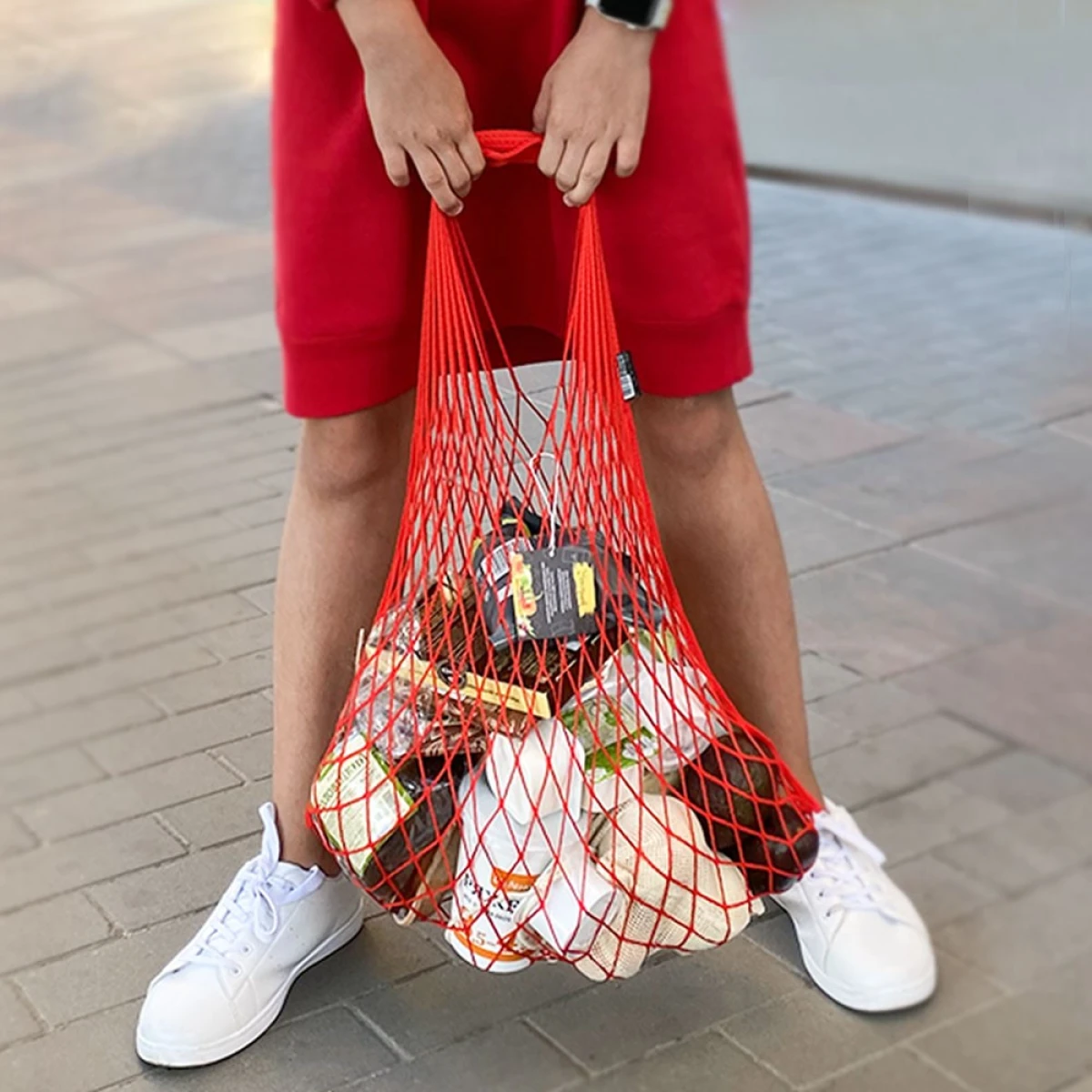
Merchants are instructed to reduce single-use packaging and offer as many opportunities as possible for shopping with reusable containers. This may apply to bulk products, nuts, grains, sweets, cleaning agents, liquid soap, and more.
At the same time, stores are also instructed to act as educators in sanitation and hygiene, explaining to customers that milk will not be poured into a dirty jar brought by the customer.
The frog will be boiled slowly—in the sense that the rules will be implemented gradually. For now, starting from August 12, 2026, the primary requirement is that packaging must be easier to recycle and not contain unnecessary elements (no more elegance in design). In food and drink sales locations, customers will be required to have the option to use their own dishes. For example, at Rimi, next to the machine that squeezes juice from oranges, there are now new bottles for it: apparently, now customers are instructed to come with their own containers for juice (it will be interesting to see how they will measure it to assess the cost of the juice?).
With each passing year, the rules will become stricter—with the aim of celebrating reusable packaging by 2030 and forgetting about single-use packaging altogether by 2040. Customers will have to bring mountains of their own packaging: bottles, bags, pouches, packets, and totes. The era of spontaneous purchases will come to an end: when you walk past a store and remember that you need to buy something. But wait: first, go home and get your container. Or, as in the old days, always carry it with you in your bag.
Eco-activists are probably thrilled. But ordinary shoppers are sure to have the same emotions about the new rules as they do about the caps named after Ursula von der Leyen, whom they mention every time they open a bottle.
The LA.LV portal surveyed representatives of the retail chains Rimi, Lidl, and Maxima to get their opinions on the new regulation. They were quite verbose, so we will summarize their opinions briefly.
Rimi Latvia stated that implementing the new requirements is complex and requires significant changes not only in stores but also throughout the supply chain and packaging systems. The issue of food safety will become acute, as packaging plays a crucial role in protecting goods from contamination, damage, and spoilage. The new rules primarily concern takeout food and drinks, fresh products that can be sold by weight (fruits and vegetables), baked goods, as well as those categories of goods where refill systems can be used (shampoo, liquid soap, etc.). The retail chain will monitor customer reactions and acclimate them to the new rules through all means of communication. Staff will need to be retrained, store layouts adapted, and hygiene control for reusable packaging introduced—all of this takes time and money. How will the company recoup the additional investments? Rimi responded evasively and vaguely to this.
Maxima Latvija stated that they already have a number of eco-friendly packaging solutions available—such as reusable fabric bags for fruits and vegetables. At the checkout, paper shopping bags are sold at a particularly low price, as well as bags made from 85% recycled plastic. Additionally, some of their culinary and confectionery products under the Meistara Markas brand can be purchased in packaging made from more eco-friendly materials and subject to responsible separate collection after use. Finally, products available in the display can be weighed in reusable packaging, such as containers brought by customers. Maxima emphasized that the new regulation does not provide for the abandonment of packaging where it is necessary to ensure hygiene and quality (fresh meat, fish, certain dairy products). They promised to continue developing various "eco-friendly solutions" for packaging.
Lidl stated that "the proposed changes are very extensive, and therefore they hope for a constructive dialogue with the decision-making authorities." Significant investments will be needed for new equipment, funds for reorganizing logistics processes, and training staff. Meanwhile, the store is focused on low prices, and this must be maintained.
Overall, despite the many beautifully phrased words from the PR representatives of the retail chains about the critical importance of ecology and the fight for sustainable (a very trendy word!) climate goals, as well as reducing waste on the planet, it is felt that they are not thrilled about the new EU rules. But, as with the caps or deposit containers, no one is asking for our opinion. The European Commission has decided that Europeans must go shopping with bags, jars, and bottles, so it shall be.












Leave a comment