Brace yourselves, comrades, the experts have bad news for you: all the creeping, blood-sucking, and slug-like creatures that many gardeners and nature walkers would prefer to forget have survived this snowy winter. It would seem that the winter frosts should have significantly battered the ranks of this brotherhood, and the sharp April cold snap should have added to it. But no. Specialists warn that this summer in Latvia, many pests will have to be faced.
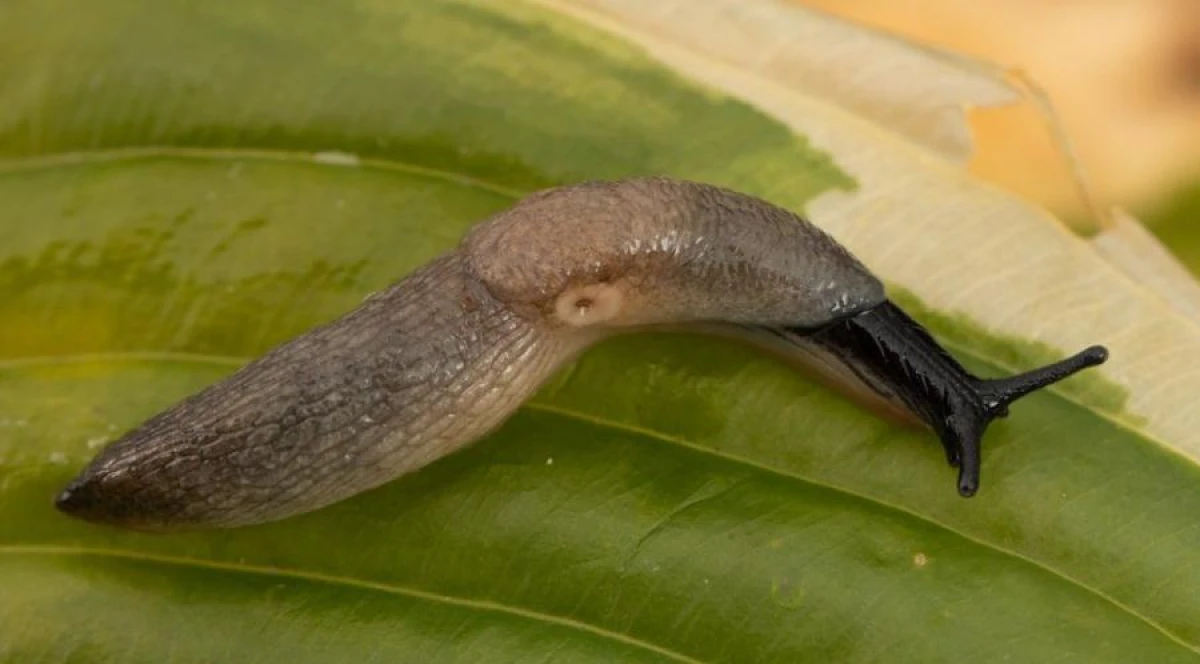
Spanish slugs
- The winter was long but relatively mild - excellent conditions for the wintering of Spanish slug eggs. So this spring, there will be many of them in Latvia,” predicts biologist Dmitry Safonov. “Adult individuals live for one summer and die in the cold. But by that time, they have already managed to leave offspring – hiding their eggs in compost heaps or fallen leaves. A slug can lay up to 100 eggs in one clutch, and up to 500 in a season. Moreover, they do not need a partner for this, as they are hermaphrodites.
In the garden, slugs eat all the tastiest things: not only leaves but also potato tubers, radishes, cabbage, beets, and so on. How to fight them? The specialist advises gardeners to dig up the soil on their plots at the end of October or early November, when it is already a bit frosty – this will give a chance to destroy the clutches, which usually lie at a depth of up to 10 cm.
Right now, “fighting” will have to be done with “grandfather’s” methods: pesticides, scent traps (digging a hole with beer, for example), or ash (crawling over it, the mollusk loses its slime and dies).
It is not recommended to handle “Spanish” slugs without protection: they are not poisonous themselves, but their slime can carry various parasites. If you don’t wash your hands immediately, there is a risk of getting something unpleasant.
American moth
The American white moth can also be called “the newcomer.” Today, it is one of the most dangerous pests of fruit trees:
- The danger comes from the caterpillars: in just a couple of weeks, they can literally destroy entire trees. They feed on more than 200 species of plants – apple trees, cherries, plums, pears, and others,” says Dmitry Safonov. “They have no natural enemies because the caterpillars are covered with long dense hairs that resemble fur. Our birds do not eat them.
The moth is very prolific: one clutch contains up to 300 eggs, and two generations of moths can grow in a season. To prevent their appearance, fallen leaves should be removed, especially near trees, and their trunks should be cleaned of old bark – this is where the pupae often hide.
If you see a web nest on a tree, this is the first sign that you have uninvited guests. The affected part must be cut off and burned. Bacterial preparations are also used to combat this pest, and in cases of massive tree infestation, potent chemicals are used.
- Unfortunately, there will be no respite from the invasion of the American white moth this season,” the biologist states. “It usually starts flying en masse by the end of May.
Mutant ticks
Ticks have also wintered well this year: under a thick layer of snow, they were warm and cozy. There are already many of them now, but the peak of these bloodsuckers will occur in late May and June.
In our regions, two types of ticks can be found – the common dog ticks typical for our climate and “foreigners” – hyalomma, which differ from the locals by their striped leg coloration and larger size. When well-fed, they can swell to 25-30 millimeters, while the locals are 2-3 times smaller. The “aliens” are popularly dubbed “mutant ticks.”
- The homeland of hyalomma is the steppes of Africa. In our regions, they “fly in” accidentally in the plumage of swallows and swifts,” explains biologist Safonov. “But such cases are rare and more often occur during hot summers. A stable population of hyalomma cannot yet be established in Latvia – it is too cold for them here.
Our ticks, while more familiar to the eye, are actually more dangerous because they carry Lyme disease (tick-borne borreliosis) and tick-borne encephalitis. Moreover, treating parks lately has not been a panacea.
- Statistics show that about 14% of all tick attacks occur precisely in urban parks and squares,” the specialist states. “Over time, ticks develop resistance to the special agents that are widely used in park treatments. Moreover, the survivors become smarter – they avoid treated areas and become more aggressive.
So even in the city, after any walk, it is necessary to carefully inspect your clothing and yourself. And for outings into nature, stock up on “sprays” and suitable clothing - pants that can be tucked into socks and/or high boots, and a long-sleeved top. Inspect yourself after every walk in nature – most often, ticks attach themselves under the hair, in the armpits, and groin areas.