
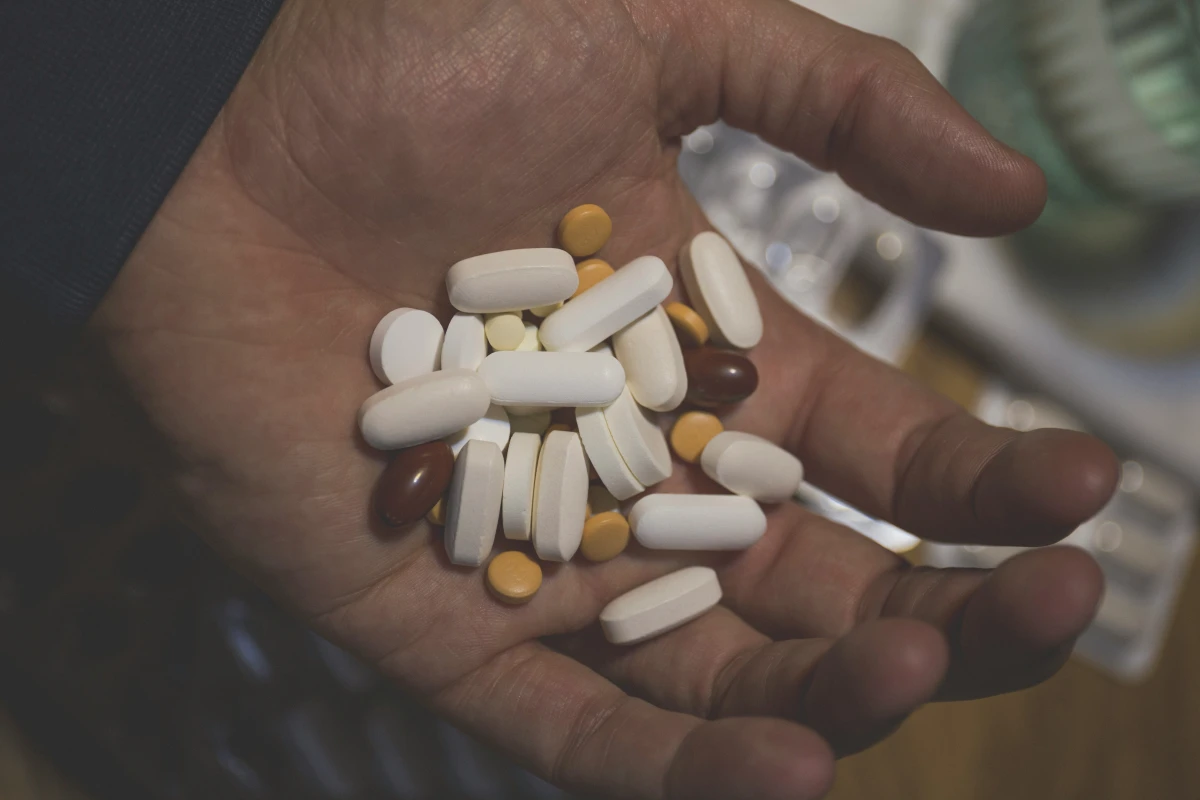
The problem of drug addiction among teenagers in Latvia remains acute: over the past six months, 279 minors with acute intoxications have been admitted to the Children's Clinical University Hospital. A waiting list has already formed for treatment programs.
The Latvian system for assisting adolescents with drug addiction is facing an increasing burden. The number of minors admitted to hospitals with acute intoxications remains high, and the demand for treatment already exceeds available resources.
According to the Children's Clinical University Hospital (CCUH), 279 teenagers in a state of acute intoxication were admitted to the emergency department in the last six months.
Of these, 202 minors were examined by addiction specialists. Currently, 51 individuals have been accepted into the drug addiction treatment program, while another 27 teenagers are waiting for their turn.
This effectively means that even after loud discussions of the problem and changes in legislation, the system is still struggling to meet the demand for assistance.
Last year, amendments to the treatment law were adopted in Latvia to ensure mandatory treatment opportunities for minors with drug addiction. However, a full-fledged long-term support system is still in the process of being established.
Currently, the state covers several types of support — consultations with addiction specialists, assistance through social services, motivational programs, and services in emergency departments. However, there is still virtually no comprehensive inpatient treatment for drug addiction for teenagers in the country. Hospitalization is only possible in acute cases — for example, in the Children's Hospital, "Ģintermuiža," or the hospital in Ainazi. But specialists acknowledge that emergency assistance alone is insufficient. Teenagers with addictions often require long-term psychological and social support, as well as work with their families and surroundings.
Currently, there is a specialized outpatient team at CCUH for teenagers with severe disorders related to the use of psychoactive substances, as well as an inpatient treatment program. Additionally, this year, the use of buprenorphine for detoxifying teenagers with opioid addiction has begun. Motivational programs are operating in Ainazi and "Ģintermuiža," where treatment can last up to two months.
The Ministry of Health has already stated that it intends to continue the project and will request additional funding.
The increase in the number of teenagers with drug intoxications is becoming an increasingly noticeable social problem not only for medical professionals but also for schools, families, and social services.
And although the assistance system is gradually expanding, the waiting list for treatment shows that the demand for such services is growing faster than the state's capabilities.








Leave a comment