Latvia is creating a system of medication reserves for the case of war, disasters, or a new pandemic. However, authorities acknowledge that in the first days of a crisis, residents will largely have to rely on their own home medication supplies.
The government is gradually strengthening the system of medication reserves for emergencies; however, it will not be able to fully provide all residents with medications in the first days of a crisis.
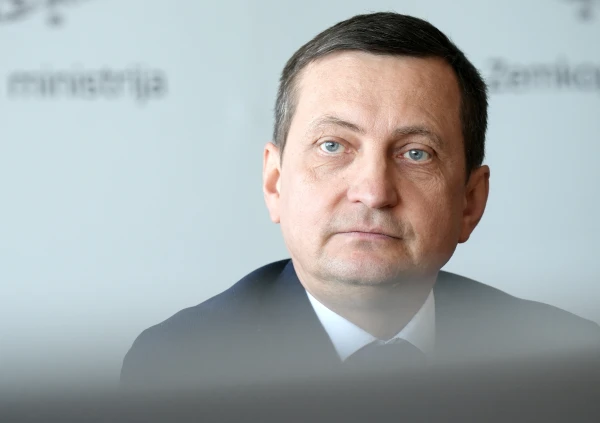
This was stated by Agnese Valuliene, the Secretary of State of the Ministry of Health, in an interview with Ir, commenting on the country's preparedness for potential disasters, pandemics, or military threats.
According to her, responsible services and medical institutions already have mandatory medication reserves. Hospitals and other healthcare facilities must maintain a reserve sufficient for continuous operation for one to three months.
Additionally, the government is forming separate material reserves for emergency assistance in case of emergencies.
However, the Ministry of Health emphasizes that the foundation of the entire system remains the preparedness of the residents themselves.
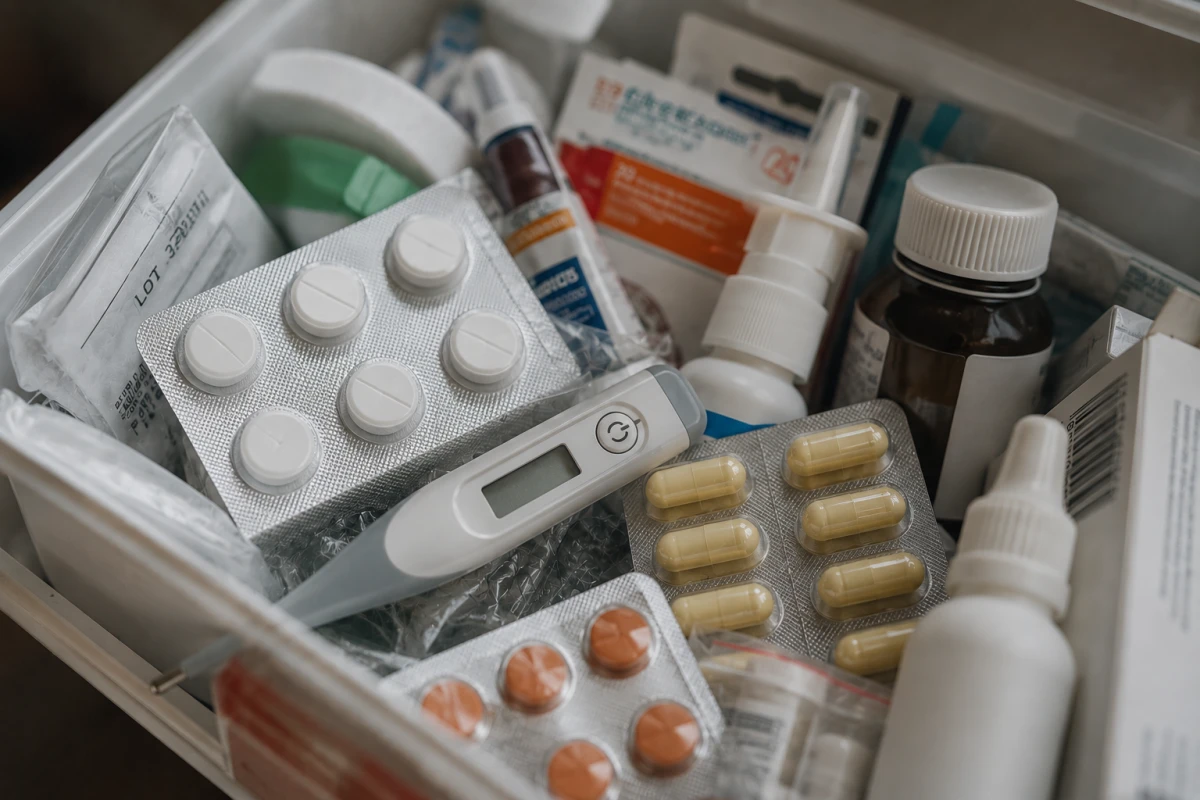
In fact, authorities advise each family to have a home first aid kit in advance, not only for common illnesses but also in case of disruptions in medication supplies.
This is especially relevant for people with chronic illnesses. The ministry recommends keeping a supply of necessary medications at home for at least 72 hours for each family member.
This includes not only fever or allergy medications but also medications that a person takes regularly.
This is particularly important because the system of state outpatient medication reserves in Latvia is still being established.
In Estonia, such a model is already in place, while in Latvia, the procurement process is just beginning. It is planned that the reserves will be distributed by regions to ensure that medications are available throughout the country.
It is expected that in a crisis situation, pharmacies will be able to dispense medications. If pharmacies are closed, local governments will have to organize the provision of medications.
According to representatives of the Ministry of Health, funding for the creation of this system has already been allocated for the next three years.
Recent years have shown how quickly supply disruptions and increased demand for medications can arise during crises. Therefore, the topic of personal reserves is gradually becoming part of the overall civil preparedness strategy.