
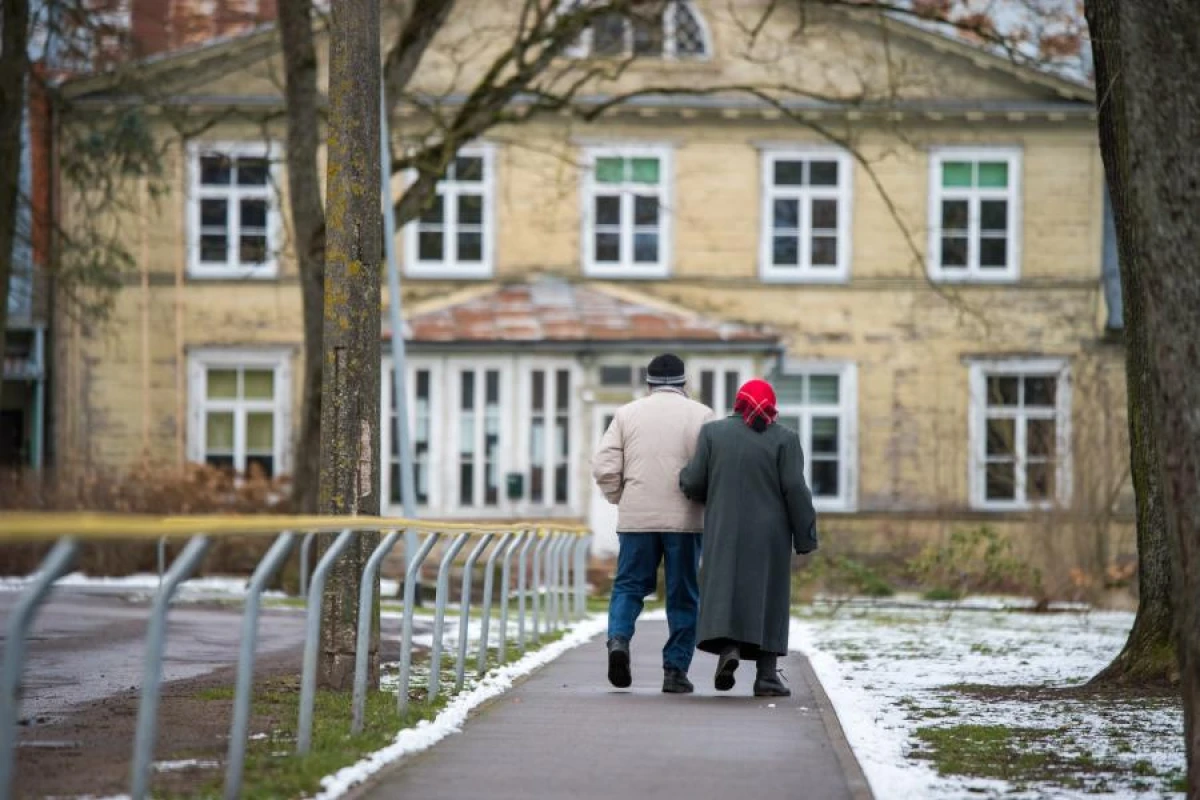
In Latvia, the average salary and average pension increase annually, but the number of residents at risk of poverty remains unchanged: about 22% of the population, or 404,000 people.
In Latvia, the average salary and average pension increase annually, but the number of residents at risk of poverty remains unchanged: about 22% of the population, or 404,000 people.
These data were presented in the program "Let's Discuss in the Evening" on the LSM portal. They provided the following figures: in 2024, the poverty risk threshold in Latvia was set at 699 euros per month for one person. For a family of two adults and two children, it amounts to 1468 euros for all. If incomes fall below this amount, the family officially falls into the risk zone.
The poverty level indicator is calculated by the Central Statistical Bureau (and, by the way, it is strange why there is such a delay — data for the previous year is still not available). How does it do this? The CSB sums up the incomes of all residents of Latvia, finds the median — and takes 60% of it. This is not its invention, of course: the European Statistical Agency calculates it in exactly the same way at the level of the entire European Union.
The invited expert on the program — a representative of the Latvian Employers' Confederation, Peteris Leiskalns, believes that our figure for the poverty threshold does not reflect the real situation. Here’s what he says:
"This figure shows how a person's income relates to the income of the rest of the population. But if you look at a child under 14 years old — they need 175 euros a month just for the food basket, while their poverty risk threshold is 153 euros. This is no longer a risk of poverty, but deep poverty. Conditional poverty and actual poverty are completely different things. Actual poverty begins when a household cannot cover all its bills."
It turns out to be a statistical trap: the richer some become, the higher the "norm" threshold rises for others. As a result, those whose income hardly changes (such as non-working pensioners, for example) automatically find themselves closer to the poverty line.
Interestingly, this has been going on for a decade and a half. The number of people in the poverty risk group in 2015 is the same as it is now. And that is every fifth Latvian!
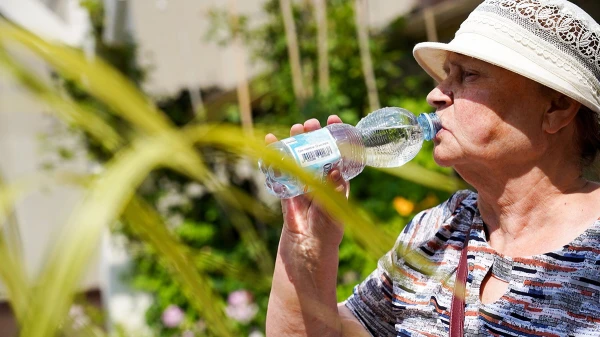
And again, every fifth is an average. But if we take the most vulnerable category of the population — pensioners — then every second one is already on the brink of poverty! After all, 40% of these people live on less than 700 euros a month.
Among other population categories, people with disabilities and families with children are most often at risk of poverty — especially those where a child is raised by a single parent.
In recent years, the state has spent nearly 6 billion euros to support households unable to cope with their bills independently. But this is a band-aid effect: the money helped to survive the spike in heating prices, but did not solve the problem of low incomes.
Moreover, back in 2021, a plan was adopted in Latvia, according to which by 2030, the share of the population at risk of poverty should be reduced to 16%. And it is already quite clear that it will not be fulfilled. The growth rates of pensions and benefits significantly lag behind the growth rates of average salaries. And the average salary in the country is growing, as all residents know, due to the continuous and very good growth of government officials.
As long as this continues, vulnerable categories of the population will sink deeper into the poverty hole. However, since the year before last, Latvia has switched to an annual automatic review of minimum income thresholds. Now this is a mandatory process: if the country becomes wealthier — minimum benefits must rise accordingly.
But prices, unfortunately, are rising even faster, so we will obviously remain at the same "on the brink of poverty — every fifth." Well, at least something in this world is stable...










Leave a comment