Typically, the rise in inflation due to increased fuel prices is observed after several months.
Despite the fact that residents of Latvia felt the impact of the Middle Eastern war on fuel prices in the early days of the conflict, a more significant increase in inflation may only become noticeable in the fall, noted Karlis Purgailis, the chief economist of Citadele Bank, in an interview with TV-3. Prices for certain goods and services may respond to rising energy prices even with a lag of 10–12 months.
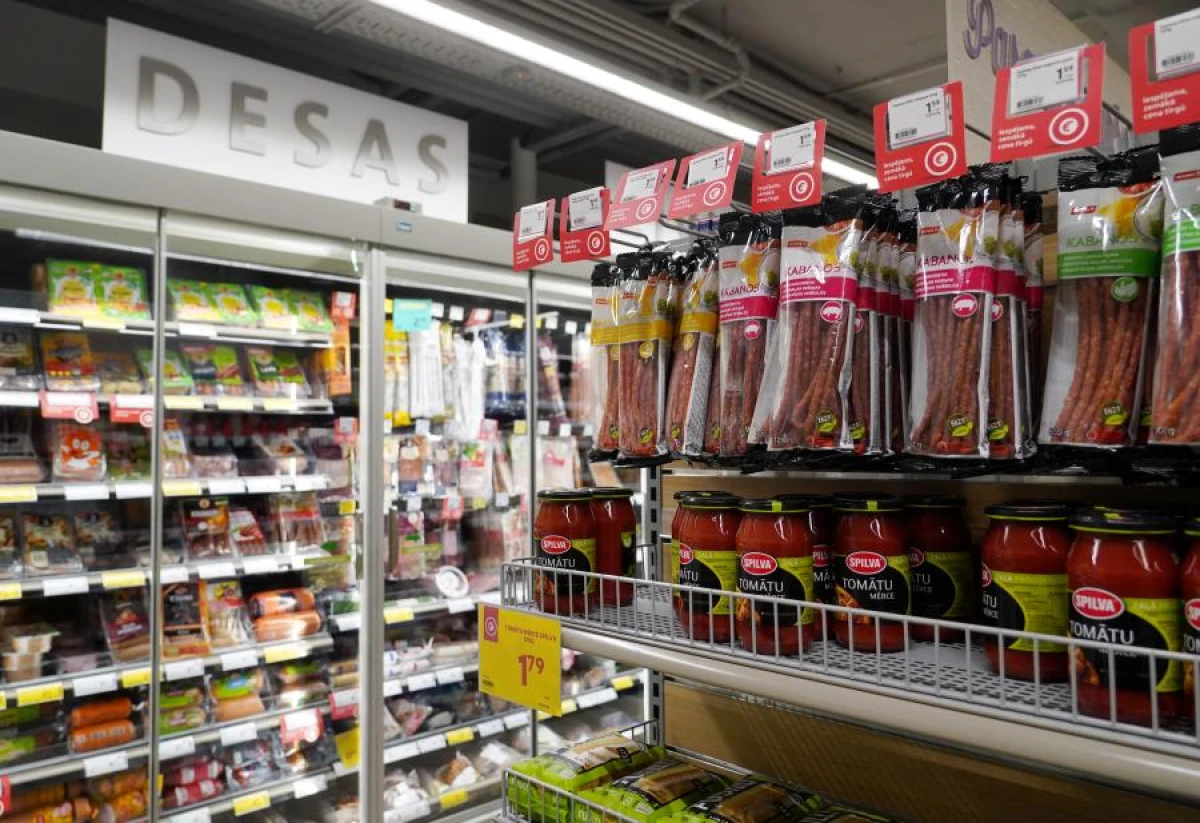
"The fuel price shock spreads unevenly in the Latvian economy — some prices react instantly, while in other segments the impact appears only after several months. Overall, the inflation rate in Latvia begins to respond more significantly to rising energy prices on average about six months later. Although the initial shock for consumers is not yet fully felt, the main price pressure will become noticeable later," said Purgailis.
The greatest acceleration of inflation in Latvia is likely to be observed in the fall when several components of inflation will simultaneously begin to have an effect. This will amplify the overall impact of rising prices and increase pressure on household budgets, forcing residents to postpone or cut spending. In Latvia, the first reaction is usually noticeable in retail fuel sales — spending in this category begins to decline about a month after the rise in energy prices.