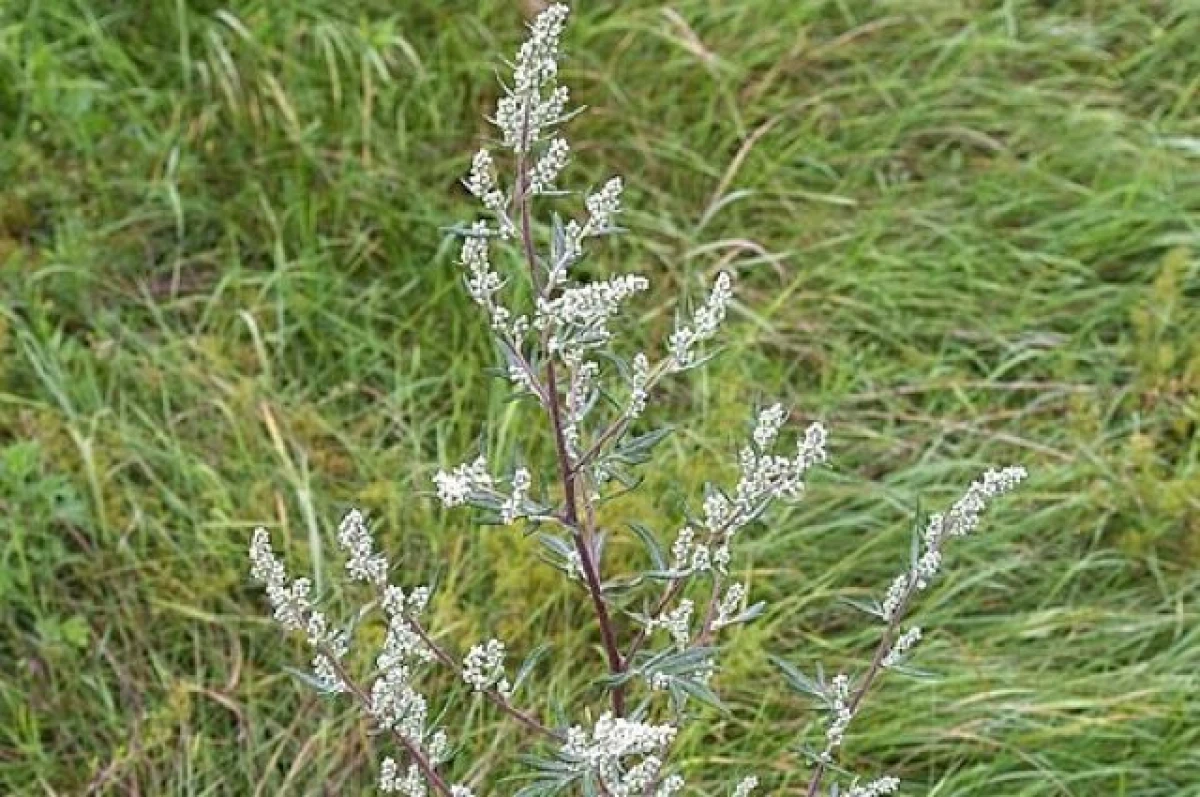
The Chernobyl plant (or common wormwood), which is currently much talked about in our country, is simply a close relative of bitter wormwood, but with its own peculiarities.
The name "Chernobyl plant" comes from its dark stem (grass).
Unlike silver bitter wormwood, the Chernobyl plant has stems with a purple hue, and the leaves are smooth and dark green on top, not hairy, says botanist Valentina POLIKSENOVA.
The plant is even used in folk medicine, but preference is given to bitter wormwood.
Wormwood improves appetite and digestion, has tonic, calming, blood-forming, wound-healing, choleretic, and mild laxative effects; it regulates stomach function and helps with fever.
An infusion of wormwood leaves is used as an enema to stimulate the liver, as well as for its anthelmintic properties.
Wormwood helps with exhaustion, insomnia, various neuroses, colds, malaria, influenza, and epilepsy. Wormwood is considered a women's plant, as it stimulates the uterus, regulates the menstrual cycle, and helps with various gynecological ailments and epilepsy.
However, the Chernobyl plant contains the essential oil thujone. This neurotoxin can cause seizures and hallucinations with prolonged use or overdose. Furthermore, the Chernobyl plant is strictly prohibited for expectant mothers, as it can provoke miscarriage.