New "on-demand" routes are being launched in the suburbs of Riga instead of the usual regular bus routes.
On-Demand Minibus
The Riga Planning Region (RPR), which manages the surroundings of the capital, announced: a new pilot project for "transport on demand" has been launched in the villages of Lapsas (Marupe municipality) and Dzerumi (Kekava municipality).
"This initiative, which is being implemented as part of the European project SuRuMo, aims to solve the mobility problem where regular buses run infrequently or not at all," explains the RPR.
In the village of Lapsas, the new service is available for trips towards Piņķi, Babīte, Jaunmarupe, and Marupe.
Residents of Dzerumi, in turn, will be able to order transport to Iecava, Bauska, and Kekava. During the testing phase of the project, travel will be completely free.
The service can be used from 4:00 AM to 11:00 PM.
The main condition is that the trip must be booked in advance in the Freelway App mobile application BY 2:00 PM the day before.
Regular Buses Are Expensive
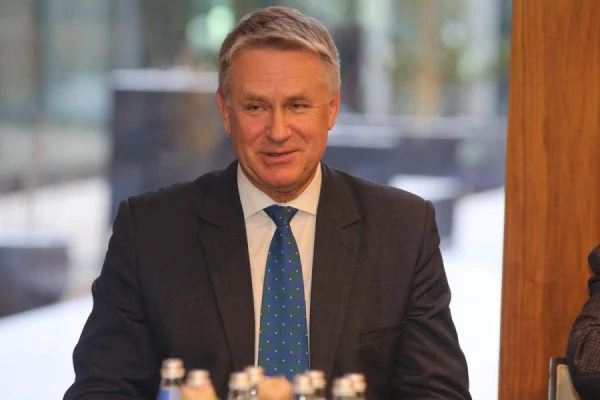
Edgars Rantiņš, head of the Riga Planning Region administration, explains: "transport on demand" is a replacement for expensive and often half-empty buses on traditional routes in sparsely populated areas.
Often in such places, a full-fledged bus network is not developed, as running large buses for just a few passengers is too costly and unprofitable. However, people need to travel.
"Transport on demand is our concept for the near future," notes Rantiņš. According to him, the model allows for the provision of services at reasonable costs.
Thanks to the European project (and funding), specialists will be able to practically calculate expenses, assess the real interest of residents, and subsequently pass this experience on to municipalities and those planning routes across the country.
How It Works: From Home to Doctor
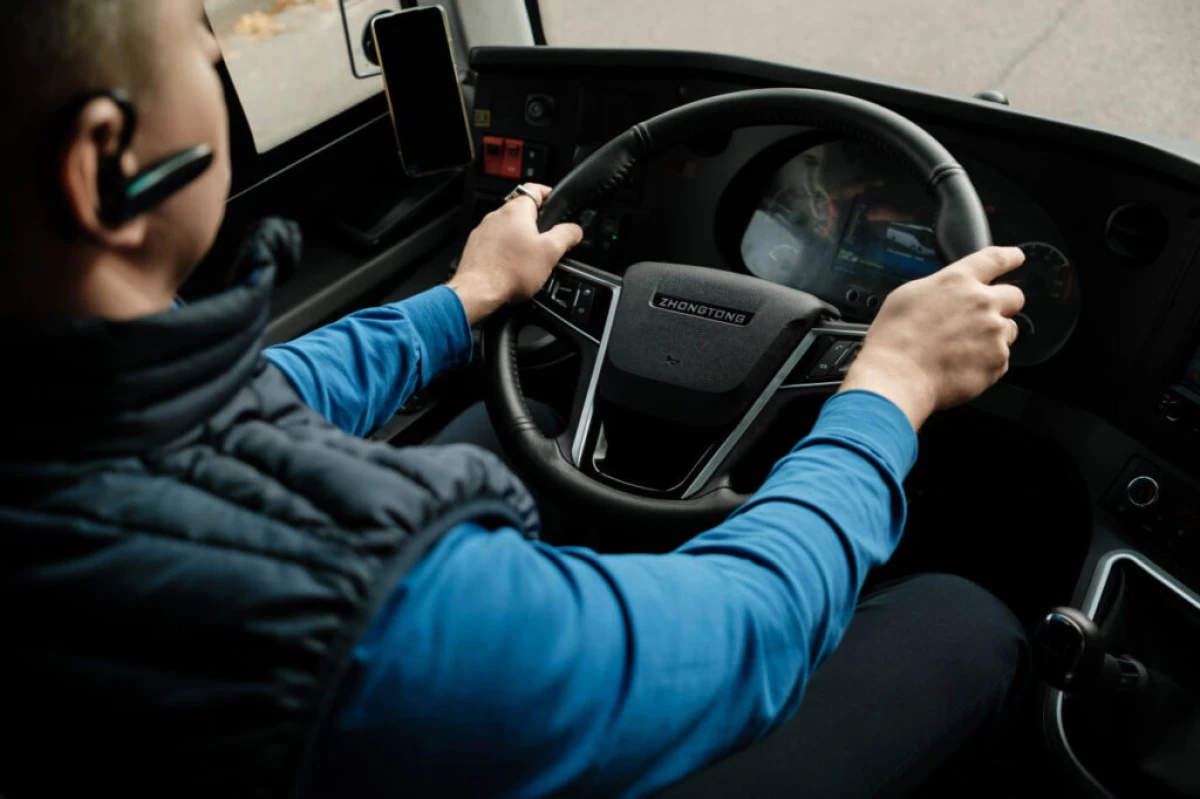
Passenger transport will use vehicles with a capacity of at least 4 or 8 seats.
The vehicles will operate both within the villages themselves and transport people to three or four of the most popular points outside them. This will allow residents to reach places where public transport is available, as well as local clinics, libraries, or stores.
What Happens When the Money Runs Out
The pilot project will operate for several months until the allocated funds from the European Union are exhausted. However, this is not the only innovation being tested in the suburbs of Riga as part of the SuRuMo program.
Alongside "transport on demand," a "carpooling" system is being tested at five points in the Riga region — Kemeri (Jurmala), Lapsas, Dzerumi, Ledurga (Sigulda municipality), and Saulkalne (Salaspils municipality), reports the RPR.
Carpooling (from English car — car, pool — pooling) refers to shared rides in a personal vehicle, where the driver and passengers share the costs of fuel and travel. In other words, neighbors ride together.
The RPR explains how this progressive "Carpooling" looks from its perspective:
"People travel in the same direction, saving money, time, and reducing the load on the roads. Such trips are usually organized via the internet. The Swedish app Freelway App, which has been adapted to the needs of local residents, is used for this purpose.
The idea is simple: "a neighbor drives a neighbor." In the app, residents can register and offer free seats in their cars if they are going the same way, or look for fellow travelers.
At the same time, the RPR notes the obvious: unlike "transport on demand," private cars can go in any direction throughout Latvia.
"Such platforms have already proven their effectiveness in many European countries, helping people come together to solve transportation problems," summarizes the RPR. Let's see how the innovation is received by Latvians.
We Are Losing Them
To use any of these services, residents need to download a special app on their smartphones. It is evident that at this stage, part of the potential older clients will drop out on their own.
The partners of the project are the municipalities of Jurmala, Kekava, Marupe, Sigulda, and Salaspils. After the testing period, the authorities will analyze the economic benefits and feedback from people to decide whether to implement such alternative transport on a permanent basis.
Why There Will Be Fewer Regular Routes
The losses of regional carriers (regular bus services) due to rising fuel prices caused by the conflict in the Middle East are increasing by 700,000 euros per month, which may lead to changes in the execution of routes starting in May, the Latvian Association of Passenger Carriers announced in mid-April.
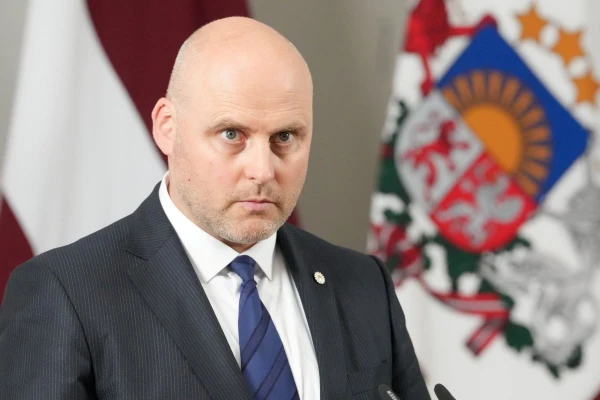
The president of the association, Ivo Ošenieks, noted that the costs of diesel fuel for public transport service providers account for 25% to 30% of total expenses, so every unpredictable price increase leads to additional costs that need to be compensated.
Currently, these costs, according to Ošenieks, are borne by the carriers themselves, but considering that the government has not yet found a mechanism to compensate for monthly losses, it is no longer possible to bear additional losses on their shoulders.
As a result: regional passenger carriers have warned that the number of scheduled buses may be reduced starting in May.
One possible consequence: children in the countryside may only be able to get to school every other day.