

This week, mandatory rules from the Kuldiga Regional Council regarding the municipal tax for accommodating vacationers and tourists in Kuldiga were published in the official publication, LETA reports.
A tourist tax will be introduced in Kuldiga starting July 1 of this year.
The tax will apply to guests staying in tourist accommodation in the city of Kuldiga. Its amount will be €1.50 per person for each night spent, but no more than €15 for one continuous stay. The tax will not apply to residents registered in the region, as well as to individuals under 18 years old, and will not cover business trips and work-related travel.
The local government states that the purpose of introducing the tax is to promote sustainable tourism development and attract additional funds for initiatives related to the tourism sector.
The local government explains that the old town of Kuldiga, included in the UNESCO World Heritage List, is an important cultural and tourist destination in Latvia, so it is essential to ensure targeted and balanced tourism development that contributes to the improvement of the urban environment and the quality of services.
The revenue from the tax will be used exclusively for purposes related to the tourism sector. It is planned to be directed towards increasing the recognition of Kuldiga as a tourist destination, marketing activities, developing cultural and tourist offerings, enhancing digital solutions, as well as projects in collaboration with local entrepreneurs.
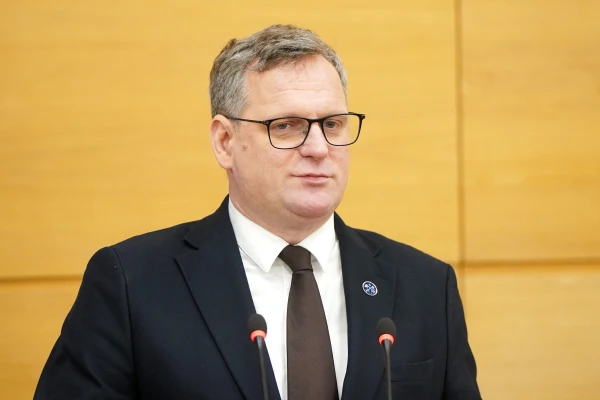
The former chairman of the Kuldiga City Council and minister, now an entrepreneur in the tourism sector, Edgars Zalans, previously stated to the LETA agency that the introduction of the tourist tax in Kuldiga is a politically shortsighted decision.
"In my opinion, such a policy is shortsighted; it will not increase the number of overnight stays in Kuldiga," noted Zalans, reminding that the purpose of introducing the tax is essentially related to the local government's inability to finance tourism activities and marketing.
"Now entrepreneurs in the tourism sector have to raise funds for these purposes themselves," he criticized the local authorities.
He finds it strange that, on one hand, Kuldiga claims to be included in the UNESCO World Heritage List and names tourism as one of its priorities, while on the other hand, it is not ready to invest taxpayer money into these goals, shifting this responsibility onto industry entrepreneurs.









Leave a comment