
In Latvia, the flood season has ended without major floods, the Ministry of Climate and Energy (MCE) reported to the LETA agency.
The ministry notes that the flood season in Latvia lasted from the third decade of February 2026 to the first decade of April and is now practically over — the phase of decline of the spring flood is still ongoing in the Daugava River.
According to the ministry, the flood season was successful and remained stable throughout the entire period, mainly due to favorable weather conditions that helped avoid the transformation of the flood into major floods.
Minister of Climate and Energy Kaspars Meļņiks (ZZS) noted that this year's flood confirmed that timely preparation and close cooperation between institutions allow for effective risk management, limiting threats to people's health and property, as well as ensuring high readiness for response.
He added that the experience gained strengthens readiness for future challenges, and the involved parties will continue to improve coordination to respond even more effectively to both floods and other risks, including storms.
The Ministry of Climate and Energy indicated that at the end of February, the hydrological situation was such that, with unfavorable developments in spring meteorological conditions, extensive flooding could have occurred, as there was a lot of snow, the ice was thick, and many rivers still had ice and slush accumulations.
However, throughout the flood period, favorable weather conditions prevailed. The spring was unusually dry, so the runoff of the flood was mainly formed by the melting of snow and ice. At the same time, very warm days with bright sunshine and no precipitation contributed to the weakening of the ice. The ministry adds that there was a lot of ice in the rivers, the ice drift was prolonged, jams formed, and the water level above them rose sharply. However, the water relatively quickly found its way through the ice, and large-scale flooding did not occur.
The Ministry of Climate and Energy notes that, overall, March in Latvia was an intense month of spring flooding, where the development of the flood and the risk of flooding were determined not only by the melting of snow but primarily by the course of the ice drift and the formation of jams in the largest rivers.
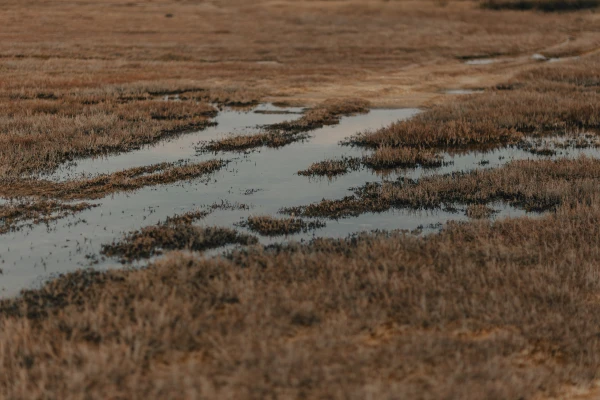
The mentioned weather conditions ensured that in this spring flood season, mainly low-lying areas — floodplains and meadows — were flooded, causing no significant economic damage. According to information from the State Fire and Rescue Service (SFRS), rescuers were involved in operations only once.
Since June 19, 2025, the Ministry of Climate and Energy has been designated as the responsible institution for coordinating disaster management in the event of floods and flooding. In this regard, the ministry paid special attention to coordinating the actions of responsible institutions during the flood period to ensure the highest possible readiness for the flood season, limit risks to people's health and property, and ensure high readiness for response.
The Ministry of Climate and Energy organized more than 15 meetings with representatives of local governments, state institutions, the Latvian Association of Insurers, representatives of the livestock sector, owners of wild animal herds whose pastures are in flood risk areas, road infrastructure service providers, and other parties. Together with partners, the Ministry of Climate and Energy also held a number of preparatory meetings and workshops.
During the flood period, the State Environmental Service conducted 99 inspections of hydraulic structures throughout Latvia and provided consultations to hydropower plant operators. No violations in the operation of hydropower plants were identified during the inspections. During the flood, active communication was maintained with hydropower plant operators, who demonstrated readiness to adapt to an emergency if it arose.
To ensure operational information exchange between responsible institutions and support in the event of floods, a working group on environmental risks was established, which included 16 parties involved in flood risk management.













Leave a comment