Dozens of potentially harmful chemical substances are found in the bodies of residents of Latvia, and their presence is largely related to everyday choices — from diet to lifestyle.
This is evidenced by the first study on human biomonitoring conducted by the University of Stradins in Riga, the results of which were commented on in the program "900 seconds" by Ivars Vanadziņš, director of the Institute of Occupational Safety and Environmental Health.
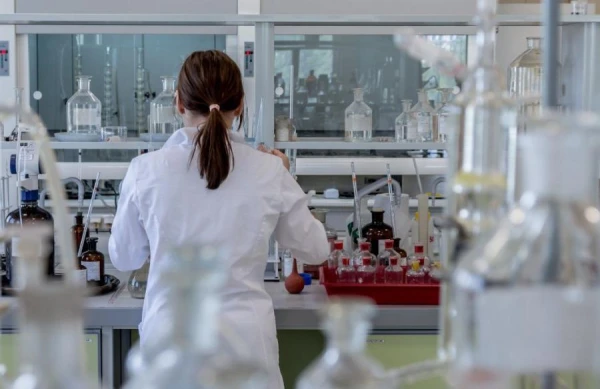
The study analyzed biological samples looking for 30 of the most dangerous substances out of more than 300 possible compounds.
The results show that more than half of the residents have at least one or several undesirable chemical substances in their bodies. They are mainly divided into three groups — pesticides, heavy metals, and persistent organic pollutants such as bisphenols and benzo[a]pyrenes, which "should not be present at all, but they are."
A significant portion of these substances enters the body through food. The study shows that one of the main risks comes from imported products rather than local production. "Our greatest concerns are regarding imported food," the expert noted, adding that many pesticides are used to treat the surface of products to extend their shelf life. Therefore, simple habits such as thoroughly washing fruits and vegetables can reduce the intake of these substances.
At the same time, Latvia remains relatively "cleaner" than many other European countries, especially in terms of pesticide content.
However, everyday habits of the people themselves are also an important source. One common example is acrylamide, a substance that forms in burnt, overly fried, or deep-fried food.
"Such everyday decisions are very simple — just do not overcook food," said Vanadziņš. Such substances are associated with serious health risks, including oncological and cardiovascular diseases.
The authors of the study emphasize that informed choices — from purchasing products to methods of preparation — can significantly reduce the exposure to harmful substances in the body.