
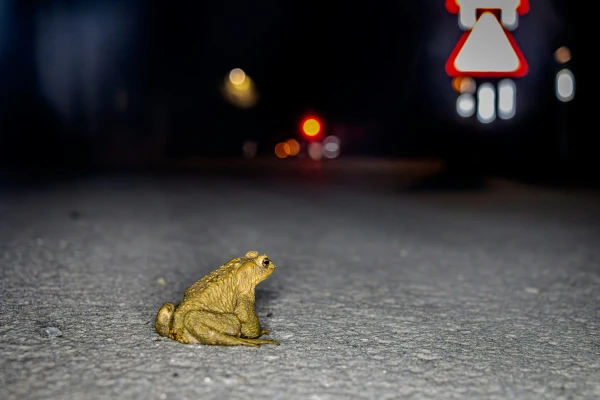
Traffic restrictions have been introduced on the access road to the Yanupes quarry in the Olaine region due to frog migration - a "No Entry" road sign has been installed, the LETA agency was informed by the municipality.
The Olaine Municipality urges residents to understand the introduced restrictions, to avoid using this route if possible, and to choose alternative paths for travel.
As previously reported, the Nature Conservation Agency (NCA) calls for volunteers to participate in the campaign to save frogs. Frogs are slow-moving animals, and their survival is decreasing year by year not only due to the loss of suitable habitats but also because of intense road traffic.
Therefore, the NCA encourages both experienced and new volunteers to sign up in advance for the campaign "Mission - Frog. Save the Prince!" and help amphibians cross roads safely.
The main task of volunteers during the active migration period is to survey the selected area and carry frogs across the road. This requires simple equipment - clean gloves, a clean bucket or other container, and in the evening - a flashlight and a reflective vest.
The NCA emphasizes that the rescue work is not complicated but is responsible and requires adherence to safety rules near roads, as well as careful treatment of amphibians.
The campaign not only contributes to the survival of the frog population in Latvia but also helps collect data for public monitoring. To assess the population status, it is important to accumulate data on the number of rescued and dead frogs, the NCA notes.
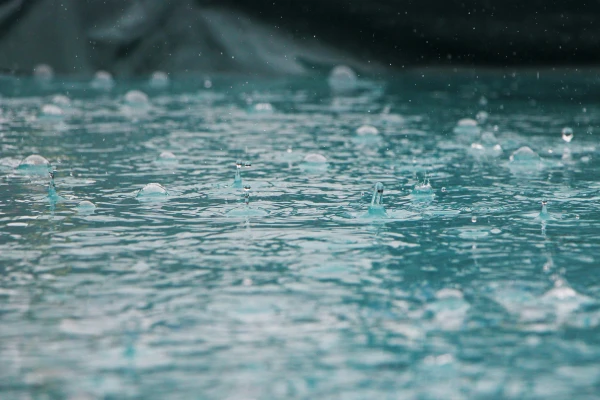
Amphibian migration in Latvia usually begins when the air temperature reaches at least +5 degrees and wet, rainy weather is established.
The participation of volunteers in this campaign is extremely important, as without human assistance, many amphibians will not be able to reach their breeding sites.
The common frog spends the winter in forests, parks, and rural estates, and in spring heads to water bodies for breeding. Since in many places the historical migration routes of these animals intersect with highways, their crossing becomes the most dangerous stage of their life cycle.
Frogs are an important part of the ecosystem - they help regulate the populations of insects, mollusks, and other invertebrates, and also serve as food for many predators. A decrease in their numbers can affect the natural balance and biodiversity.








Leave a comment