
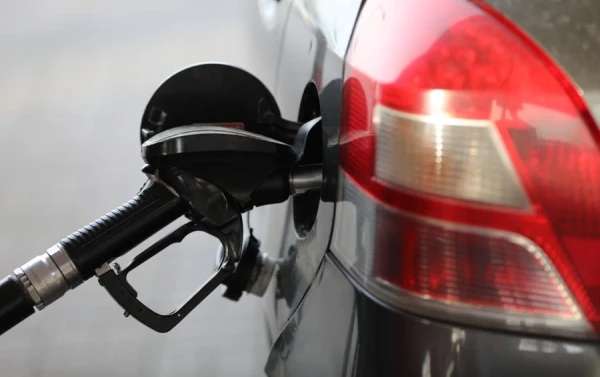
The adoption of the law will allow for a real reduction in the cost of diesel fuel at Latvian gas stations.
In the very near hours - apparently, immediately after the coalition council concludes - the agenda for tomorrow's Cabinet of Ministers meeting will include the draft law developed by the Ministry of Finance "ON limiting the rise in prices for diesel fuel."
"The necessity of developing the draft law is due to the extraordinary situation in the global oil market. Since February 28, 2026, the security situation and military actions in the context of the U.S. and Israel's operation in Iran have significantly affected shipping in the Strait of Hormuz, through which about 20% of the world's oil consumption is transported, leading to a substantial global disruption in oil supplies since 1973. The exchange price of diesel fuel (ICE Low Sulphur Gasoil) has risen by more than 70%, and the price of Brent oil has increased by approximately 44%. In Latvia, the retail price of diesel fuel has risen by about 30% since the end of February. This is the highest retail price since the energy crisis of 2022.
The aim of the draft law is to limit the negative impact of the extraordinary rise in fuel prices on the national economy, households, and public sector services by timely and for a certain period establishing measures to reduce fuel prices," the annotation to the draft law states.
What is being proposed? First - a reduction of 15.2% in the currently applied excise tax rate on diesel fuel from 467 EUR to 396 EUR per 1000 liters. Second - it is also proposed to set the excise tax rate for marked diesel fuel used in agriculture at 21 EUR per 1000 liters, namely - 15% of the standard rate during this period.
The reduction in excise rates is a limited measure: from April 1, 2026, to June 30, 2026.
According to the Ministry of Finance's forecasts, the price may decrease by approximately 8.6 cents per liter.










Leave a comment