
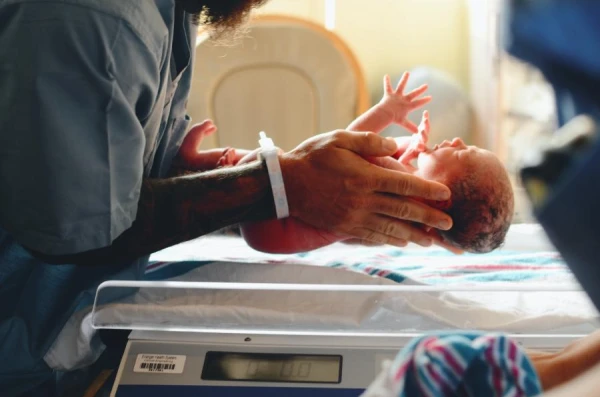
In the field of state-funded vaccination, coverage in Latvia is quite high; however, in the prevention of several diseases, the indicators are not so good, for example, in vaccination against human papillomavirus and chickenpox, writes Diena.
Therefore, it is planned to expand the range of state-supported vaccination programs for at-risk groups - infants, the elderly, and other population groups.
Speaking about disease prevention, the word "immunization" is increasingly used in the world today instead of "vaccination," said Renate Snipe, a representative of the Children's Clinical University Hospital and a board member of the Latvian Pediatric Association, at a meeting of the Saeima subcommittee on public health. She reported that in recent years, long-acting antibodies against respiratory syncytial virus (RSV), which is the main cause of hospitalization for children in developed countries and creates a significant burden on hospitals, have appeared on the drug market.
According to the Children's Hospital, in 44% of cases, the virus affects infants under two months of age. Although premature children are considered a high-risk group, 79% of those infected were completely healthy. Moreover, having RSV in infancy significantly increases the risk of developing recurrent wheezing and asthma. Countries that use these antibodies demonstrate very good cost-effectiveness and reduced morbidity rates - the number of hospitalizations decreases by 80-90%.
As Snipe emphasized, prevention in the first year of life is not only about fighting the virus but also about preserving lung function in the long term. Until now, vaccines were given to premature newborns and infants with severe chronic diseases - they received short-acting monoclonal antibodies every month during the virus season (over five months). Given the high cost of the vaccine, with the price of one dose ranging from 800 to 1600 euros, a thorough assessment was conducted to determine whom to prescribe them to.
The State Immunization Council proposes to implement universal vaccination using long-acting antibodies that provide protection for the entire season with one dose. This is a direct investment in the country's demographics, reducing complications and the burden of chronic diseases in future adult residents, noted Snipe. Regarding funding, 600 thousand euros would be needed to vaccinate all children born in a specific year and children with severe chronic diseases up to 19 months of age. This amount is necessary provided that the birth rate remains at the level of 2025 and it is necessary to vaccinate 5000-6000 children.









Leave a comment